December brings a wonderful change of pace to Bucks County gardens. Colorful autumn leaves have given way to bare branches, evergreens take center stage, and the first frosts and occasional snowfalls transform familiar landscapes into beautiful winter scenes.
While the busiest gardening months are behind us, December offers plenty of opportunities to care for your landscape, enjoy seasonal beauty, and discover some fascinating things about the natural world.
This month is less about planting and more about protecting what you’ve grown, keeping an eye out for potential problems, welcoming winter wildlife, and bringing a little gardening magic indoors.
And here’s something to remember: Your garden isn’t lifeless in December. It’s simply working on a different schedule!
Here’s your December Yard and Garden To-Do List for Bucks County, along with some interesting tips and seasonal discoveries to make the most of this special time of year.
- Protect Trees and Shrubs From Heavy Snow and Ice
- Keep Deicing Salt Away From Landscape Plants
- Hunt for Spotted Lanterfly Egg Masses
- Check Evergreens for Overwintering Bagworms
- Make Your Yard a Winter Haven for Birds
- Keep Your Fresh-Cut Christmas Tree Beautiful
- Create Beautiful Winter Porch Containers
- Give Poinsettias the Care They Deserve
- Grow a Little Holiday Magic With Indoor Bulbs
- Adjust Your Houseplant Care for Winter
- Try Winter Sowing for Next Year’s Garden
- Enjoy the Last Harvests From Your Cold-Season Vegetable Garden
- Notice What’s Happening in Your Bucks County Landscape This December
- Make December a Season to Enjoy Your Garden!
1. Protect Trees and Shrubs From Heavy Snow and Ice
A light snowfall can make a garden look magical, but heavy, wet snow can be tough on trees and shrubs.
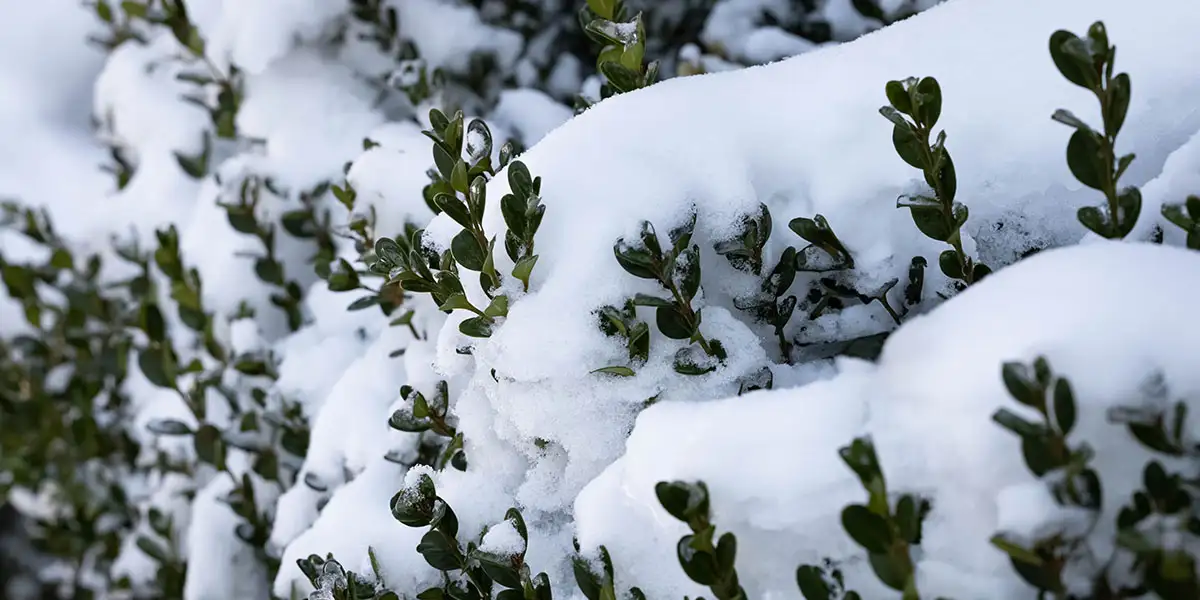
Evergreens such as arborvitae, junipers, and boxwoods (pictured above) are especially vulnerable because their foliage catches and holds snow. The added weight can bend branches, split stems, or permanently change a plant’s shape.
After a heavy snowfall, gently brush loose snow from accessible branches using an upward sweeping motion. Avoid pulling branches downward or shaking them forcefully.
If branches are coated with ice, leave them alone. Attempting to break or knock off the ice can cause even more damage.
Bountiful Tip: Snow isn’t always the enemy! A layer of snow over garden beds acts as a natural insulator, helping protect plant roots from extreme temperatures and fluctuations between freezing and thawing.
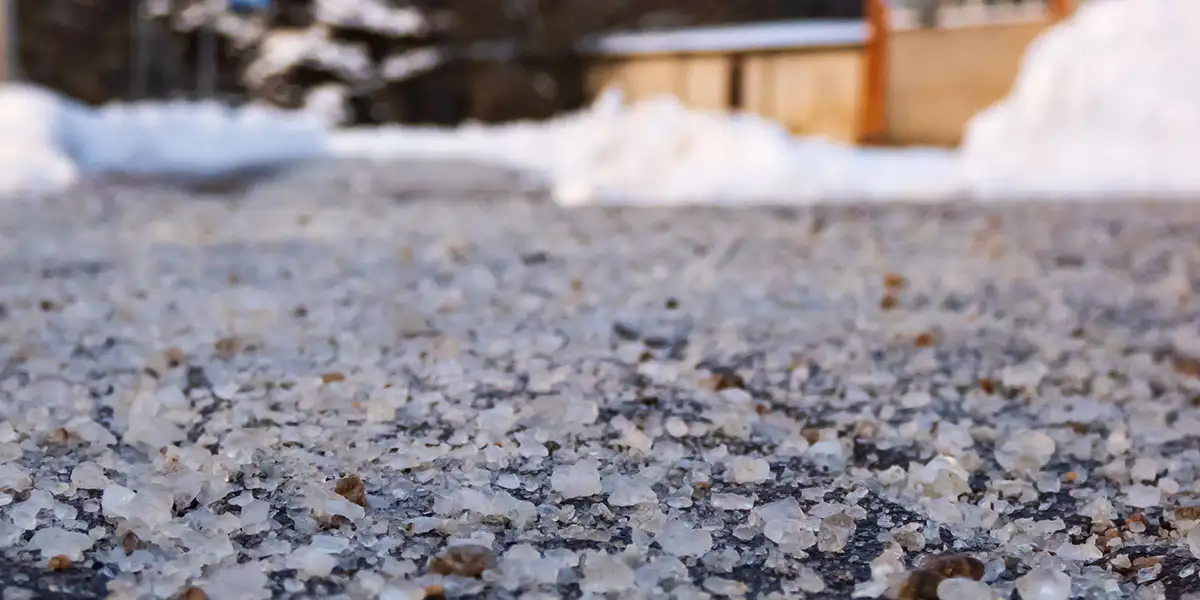
2. Keep Deicing Salt Away From Landscape Plants
As winter weather arrives, keeping driveways and walkways safe becomes a priority. Unfortunately, common deicing salts can damage nearby plants.
Salt can accumulate in the soil, interfere with roots’ ability to absorb water, and cause browning on evergreen foliage. Plants close to sidewalks, driveways, and roads are particularly vulnerable.
To help protect your landscape:
- Use deicing products sparingly and follow label instructions.
- Consider sand for added traction where appropriate.
- Avoid piling salt-laden snow onto planting beds.
- Keep snow removed from driveways away from valuable shrubs and young trees.
Interesting Tidbit: Salt injury can look remarkably similar to drought damage! That’s because excessive salt in the soil makes it harder for plant roots to absorb moisture, even when water is present.
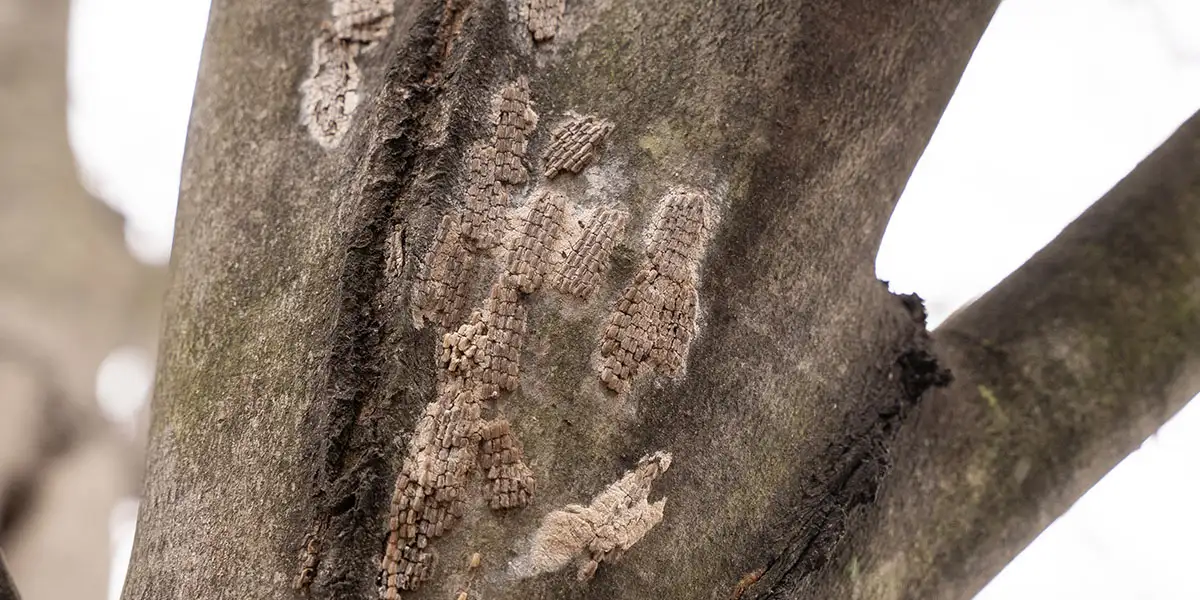
3. Hunt for Spotted Lanternfly Egg Masses
December is an excellent time to tackle a familiar Pennsylvania pest: the spotted lanternfly (Lycorma delicatula).
Although freezing temperatures kill most adult lanternflies, their eggs survive the winter and hatch in spring.
Look for grayish-brown, mudlike egg masses on tree trunks, rocks, outdoor furniture, fencing, and other surfaces. Each egg mass is typically about an inch or more long and may be surprisingly difficult to spot.
If you find one, scrape it into a container of rubbing alcohol or hand sanitizer. Simply knocking eggs onto the ground won’t necessarily prevent them from hatching.
Bountiful Tip: A single spotted lanternfly egg mass can contain approximately 30 to 50 eggs! Reduce the number of lanternflies emerging next spring when you remove accessible egg masses now.
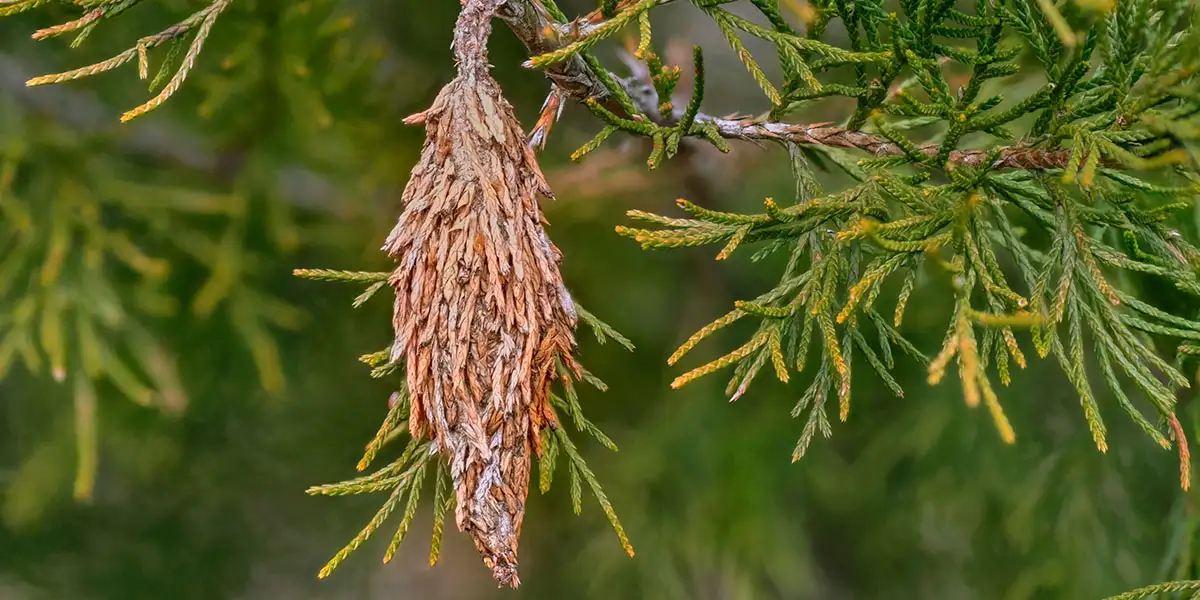
4. Check Evergreens for Overwintering Bagworms
Here’s another winter pest-control opportunity that many gardeners overlook.
Bagworms create small, spindle-shaped bags covered with bits of foliage. These can resemble miniature pinecones hanging from arborvitae, junipers, spruces, and other evergreens.
The insects may be inactive now, but eggs can remain protected inside their bags throughout winter.
Inspect susceptible plants and carefully remove accessible bags by hand. Place them in the trash rather than dropping them on the ground.
This simple task is particularly worthwhile if you noticed bagworm damage during the summer.
Bountiful Tip: Bagworm bags can contain hundreds of eggs. An easy, pesticide-free way to reduce future infestations is to remove them before spring hatch.
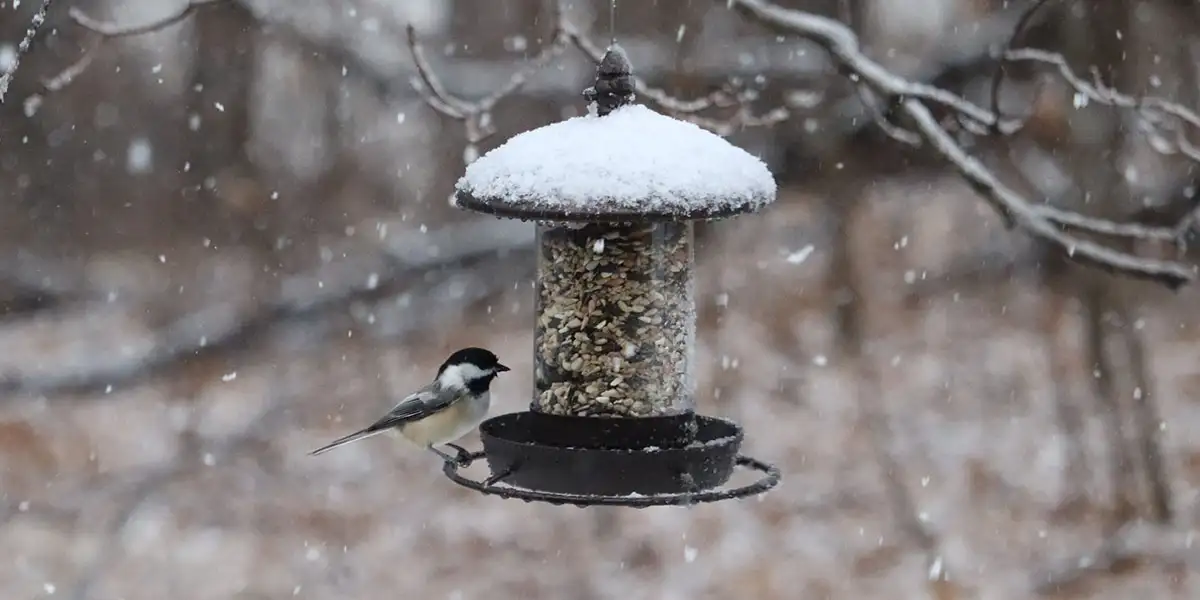
5. Make Your Yard a Winter Haven for Birds
December is a wonderful time to welcome feathered visitors to your garden!
Northern cardinals, chickadees (like the one pictured), tufted titmice, nuthatches, woodpeckers, and other birds remain active throughout Bucks County during winter.
You can help them by providing:
- Food: Black oil sunflower seeds, appropriate seed mixes, and suet.
- Fresh water: A clean birdbath, preferably with a birdbath heater designed for outdoor use.
- Shelter: Evergreen shrubs, dense plantings, and protected areas where birds can escape wind and predators.
Keep feeders clean, remove spoiled seed, and wash birdbaths regularly to reduce the spread of disease.
Interesting Tidbit: Water can sometimes be harder for birds to find than food during freezing weather. An unfrozen birdbath may attract birds that rarely visit your feeders!
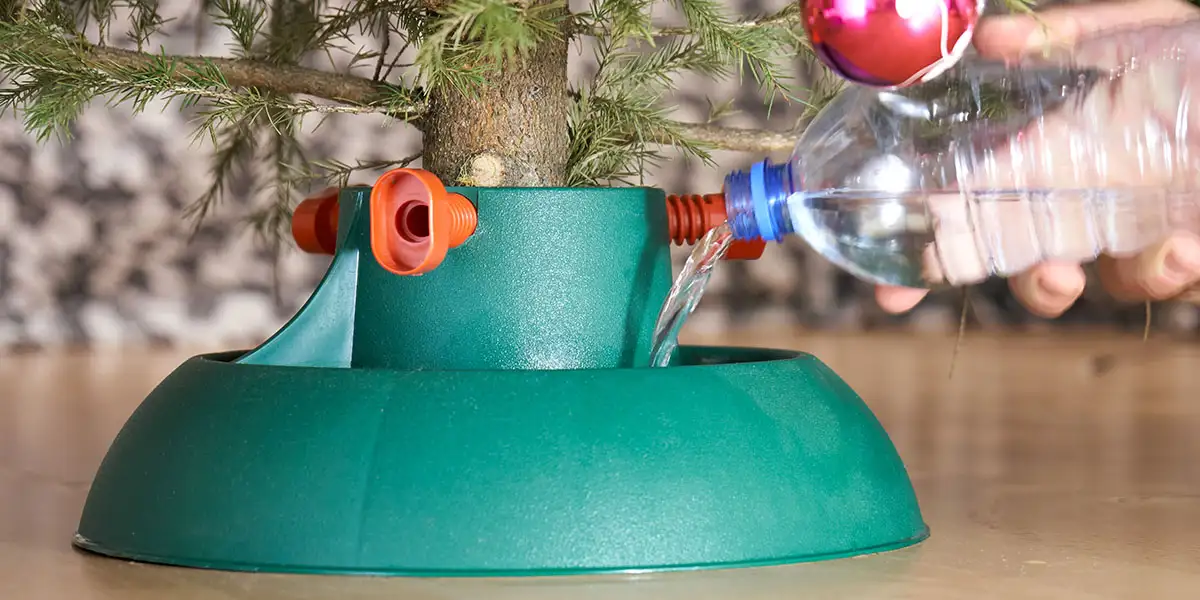
6. Keep Your Fresh-Cut Christmas Tree Beautiful
A fresh-cut Christmas tree brings the fragrance and beauty of the outdoors inside. With proper care, it can stay attractive throughout the holiday season.
Start by selecting a fresh tree with flexible needles and good needle retention.
Before placing your tree in its stand, make a fresh, straight cut across the trunk base if needed, then put it promptly into clean water.
Check the water level daily, especially during the first week, and never allow the trunk’s cut end to become exposed.
Keep your tree away from fireplaces, heating vents, and other heat sources. LED lights are a good choice because they produce less heat than traditional incandescent bulbs.
Bountiful Tip: Consider using Prolong® Tree Preservative, which helps fresh-cut trees absorb hydration. Just add it to water and help your tree retain its needles longer in the drier heat of your home, staying safer, greener, hydrated, and beautiful throughout the holiday season. It’s also safe for use with children and pets.
And when you’re ready to take your tree down, consider recycling it through a local Christmas tree collection program. Clean, undecorated evergreen branches can also provide temporary shelter for birds or protective cover for appropriate garden beds.
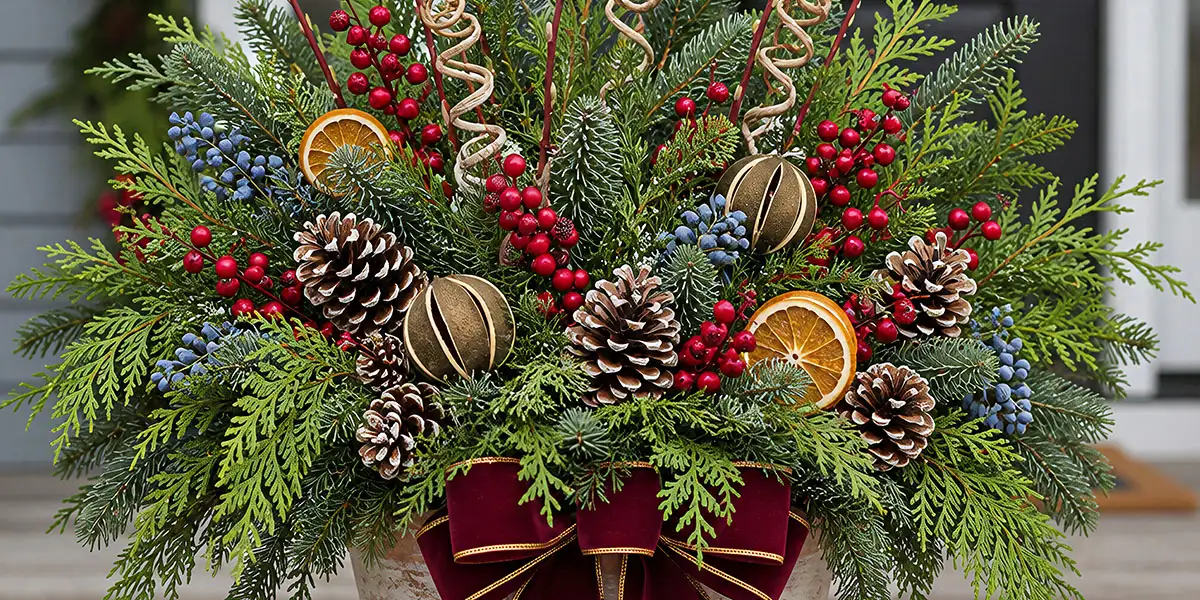
7. Create Beautiful Winter Porch Containers
Your outdoor containers don’t have to be empty just because the summer flowers are gone!
December is a perfect time to create stunning winter arrangements using evergreens, colorful branches, pinecones, berries, and decorative accents. (Bountiful Acres has beautiful materials available at the garden center for gorgeous arrangements!)
Try combining:
- Pine and fir branches for fullness and fragrance.
- Boxwood or cedar for contrasting foliage and texture.
- Red-twig dogwood branches for a brilliant pop of color.
- Winterberry stems for classic holiday red.
- Pinecones, ribbon, or weather-resistant ornaments for a finishing touch.
Use a winter-safe container with drainage, and arrange cut stems in moist soil or a suitable floral medium before it freezes. Keep natural materials hydrated when conditions allow.
For an especially beautiful effect, add battery-operated or outdoor-rated LED lights.
Interesting Tidbit: Winter arrangements often last longer outdoors than indoors because cool temperatures slow moisture loss from freshly cut greenery. Still, winter sun and drying winds can shorten their lifespan.
Visit Bountiful Acres for inspiration, beautiful greenery, and seasonal decorations to create a welcoming holiday entrance!
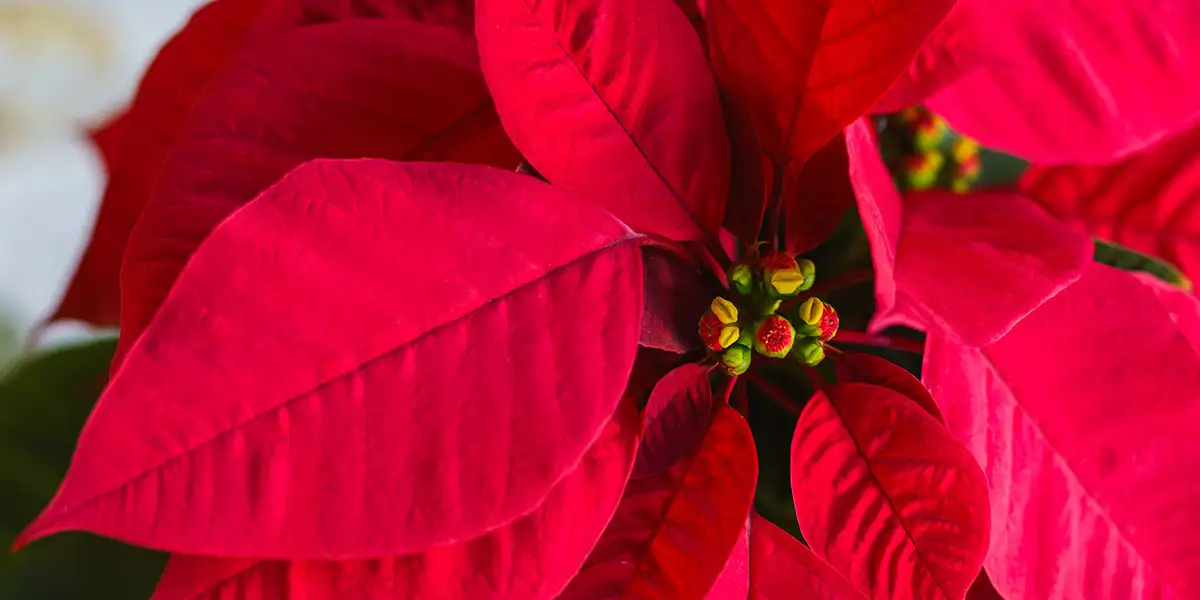
8. Give Poinsettias the Care They Deserve
Poinsettias (Euphorbia pulcherrima) are among the most beloved holiday plants, and they can remain beautiful well beyond December with a little attention.
Place them where they’ll receive bright, indirect light, away from cold drafts, frequently opened doors, and heating vents.
Check the soil regularly and water when the surface begins to feel dry. Allow excess water to drain completely, especially if the pot is wrapped in decorative foil.
Avoid leaving poinsettias in cold vehicles while holiday shopping. Exposure to freezing temperatures can quickly damage their foliage.
Interesting Tidbit: The showy red, pink, cream, or variegated parts of a poinsettia aren’t actually flowers! They’re modified leaves called bracts. The true flowers are the tiny structures clustered in the center.
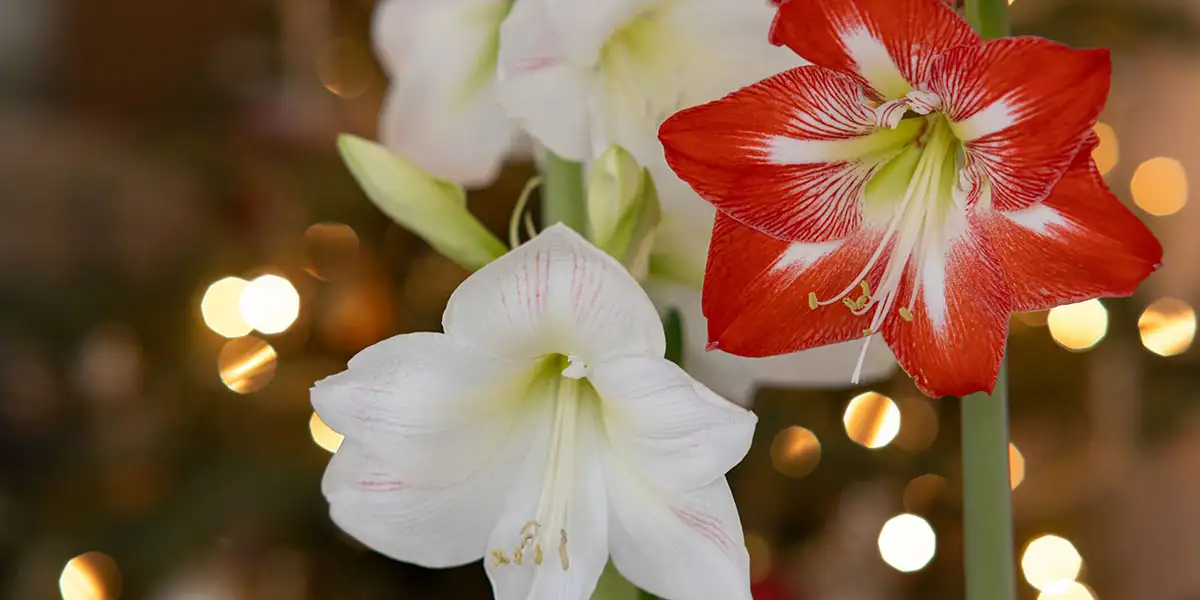
9. Grow a Little Holiday Magic With Indoor Bulbs
Who says you have to wait until spring to enjoy beautiful flowers?
December is an excellent time to grow amaryllis and paperwhites indoors.
Amaryllis (Hippeastrum hybrids)
These impressive plants produce large, trumpet-shaped flowers in beautiful colors.
Traditional potted amaryllis bulbs need a bright location, suitable potting mix, and careful watering. Bloom time varies by variety and growing conditions.
For something especially easy, look for pre-waxed amaryllis bulbs. These have everything they need stored inside the bulb, require no soil or watering, and typically bloom in about four to six weeks. (And Bountiful Acres has fun and beautiful pre-waxed bulbs… Plus, they make great gifts!)
Paperwhites (Narcissus papyraceus)
These fragrant, white-flowering bulbs are another winter favorite. Grow them in a container with suitable potting mix or pebbles and water.
Give them a cool, bright location to encourage sturdy stems. Paperwhites commonly flower within four to eight weeks.
Interesting Tidbit: Unlike tulips, hyacinths, and many outdoor daffodils, paperwhites and amaryllis don’t need an extended cold period before flowering. That’s why they’re such wonderful choices for indoor winter blooms!
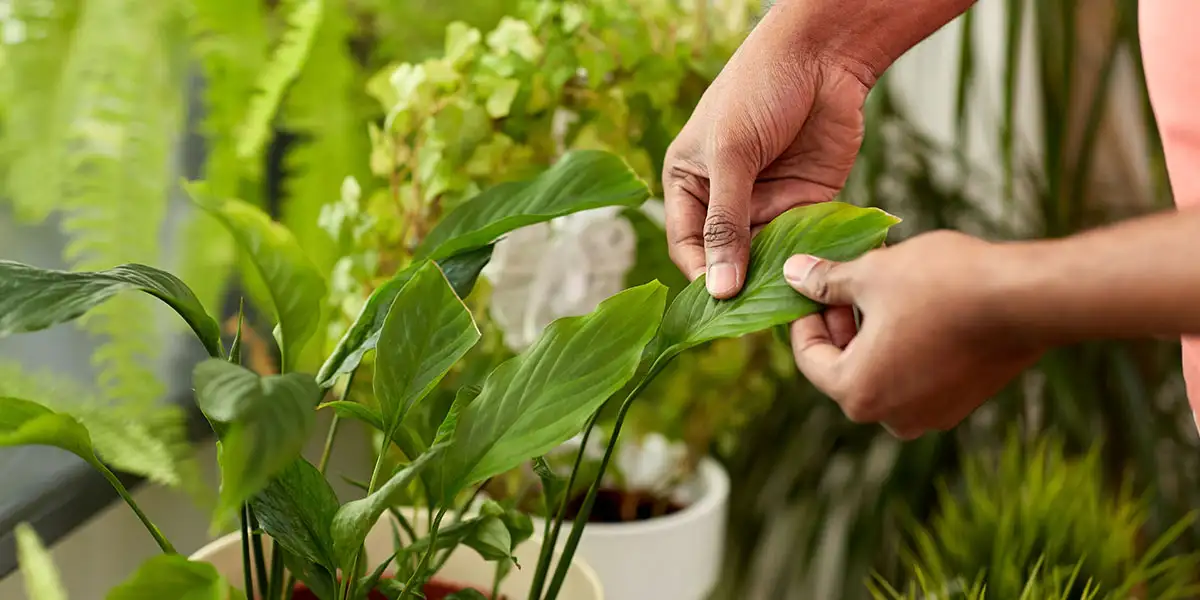
10. Adjust Your Houseplant Care for Winter
Your houseplants may be enjoying the warmth indoors, but December can present a few challenges.
Shorter days mean less natural light, while home heating systems often create drier air.
Many houseplants also slow their growth during winter, changing how much water and fertilizer they need.
A few adjustments can make a big difference:
- Move plants closer to appropriate light sources, while avoiding cold window glass.
- Check soil moisture before watering rather than relying on a fixed schedule.
- Reduce or pause fertilizing for plants that aren’t actively growing.
- Use a humidifier for plants that prefer higher humidity.
- Inspect leaves regularly for pests, particularly spider mites and mealybugs.
Bountiful Tip: If a houseplant begins dropping a few leaves in December, don’t automatically give it more water. Reduced light, dry air, and seasonal adjustment may be responsible. Check the soil and growing conditions before changing your care routine.
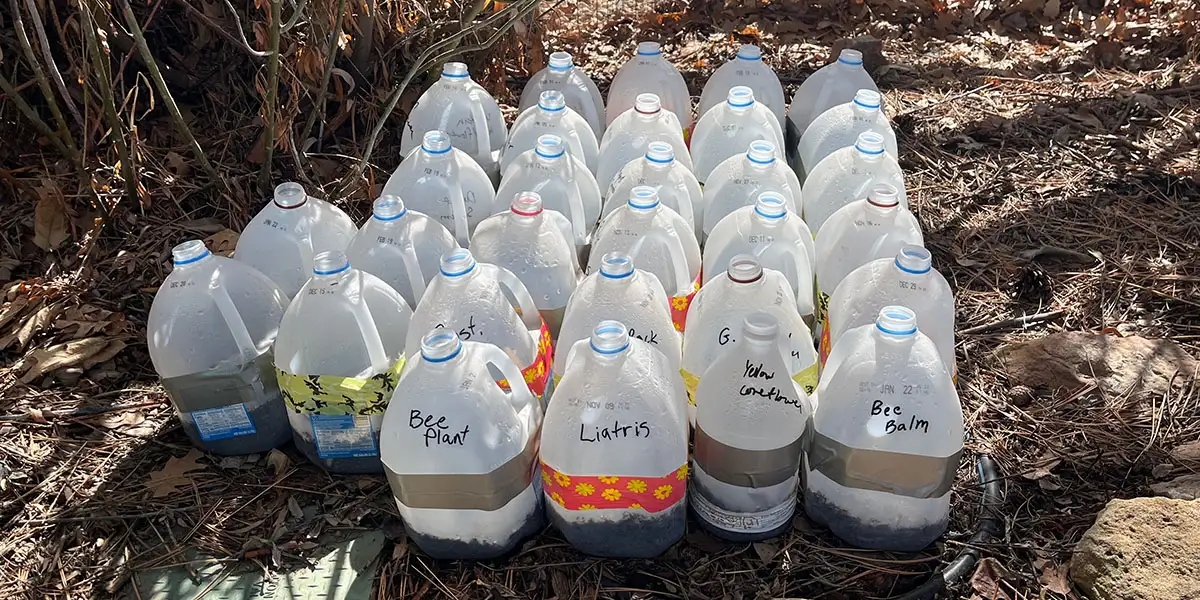
11. Try Winter Sowing for Next Year’s Garden
Here’s a fun gardening project that takes advantage of winter weather instead of fighting it!
Winter sowing is a method of starting seeds outdoors in protective containers during the coldest months.
It’s especially useful for certain native wildflowers and hardy perennials whose seeds need exposure to cold, moist conditions before they’ll germinate.
The basic process is simple:
- Clean a translucent plastic container, such as a milk jug.
- Create drainage holes in the bottom and ventilation openings.
- Add moistened seed-starting mix.
- Sow seeds according to their specific planting instructions.
- Label and secure the container, leaving openings for precipitation and airflow.
- Place it outdoors where rain and snow can reach it.
Choose seeds whose instructions recommend cold stratification or late-fall or winter sowing.
Interesting Tidbit: Many native plants have evolved to prevent their seeds from germinating during an unusually warm spell in fall. Exposure to an extended period of winter cold helps break dormancy so seedlings emerge at a more favorable time in spring.
12. Enjoy the Last Harvests From Your Cold-Season Vegetable Garden
If you planted cold-hardy vegetables earlier in fall, December may still offer a few delicious rewards.
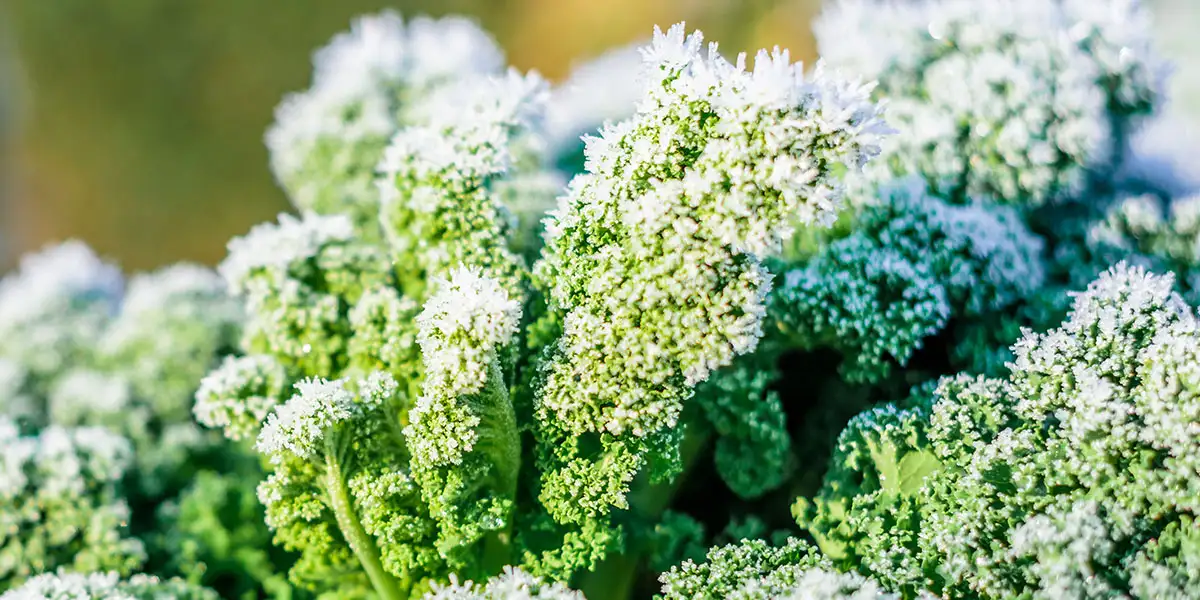
Depending on the weather, varieties of kale (one pictured above), spinach, mâche (corn salad), and other hardy greens may survive in protected beds, cold frames, or low tunnels.
Check plants periodically and harvest healthy leaves when conditions permit.
If you’re using a plastic-covered cold frame or low tunnel, remember that sunny winter days can cause temperatures inside to rise considerably. Ventilate as needed and secure covers again before temperatures drop.
Growth will be extremely slow during December’s short days, so think of this as enjoying an existing crop rather than starting a new one.
Bountiful Tip: Some cool-season vegetables, including kale, can develop a sweeter flavor following exposure to cold temperatures. Winter gardening can be surprisingly delicious!
Notice What’s Happening in Your Bucks County Landscape This December
Although many plants are dormant, there’s still a remarkable amount to discover outdoors.
Take a walk around your property and look closely. Some of December’s most interesting garden sights are easy to miss!
Rhododendron Leaves Are Curling in the Cold
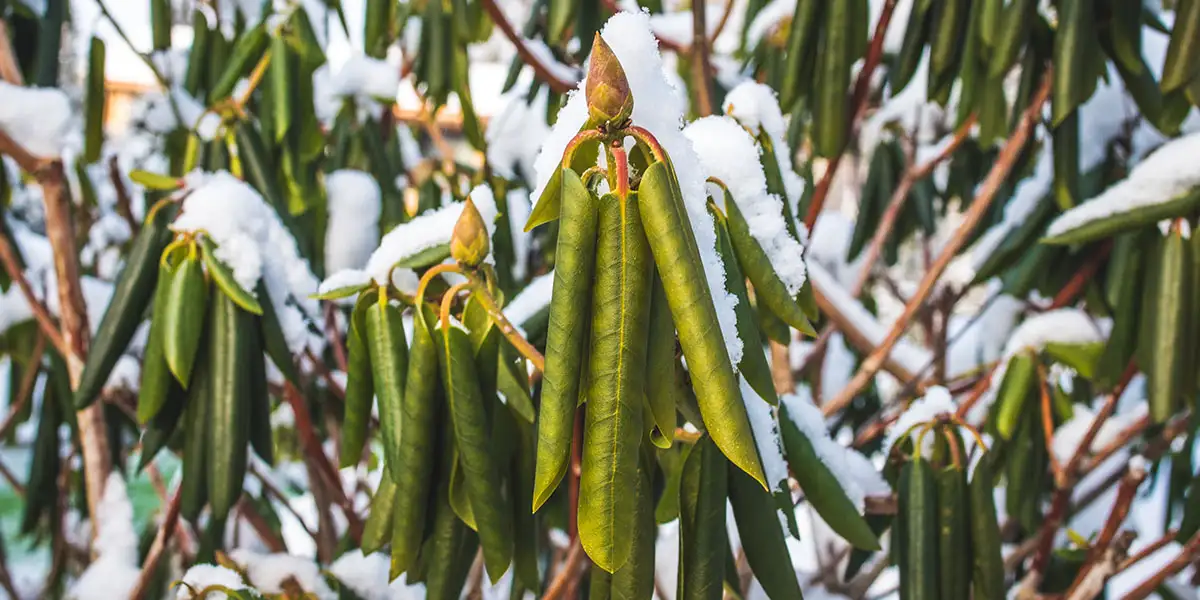
Have you ever noticed that rhododendron leaves (pictured) seem to curl into narrow tubes and droop when temperatures fall?
This is a fascinating response to cold weather.
As temperatures drop, the leaves of many rhododendrons (Rhododendron spp.) curl and hang downward. This response is thought to help reduce moisture loss and protect foliage during freezing conditions.
When the weather warms, the leaves often return to their normal position.
It’s a remarkable natural adjustment, and not necessarily a sign that something is wrong!
Magnolia Trees Are Already Holding Spring’s Promise
Take a close look at the branches of a star magnolia (Magnolia stellata) or saucer magnolia (Magnolia × soulangeana).
You may notice large, fuzzy buds at the tips of the branches.
Many of these are flower buds that formed well before winter arrived. Their protective coverings help shelter developing flowers through cold weather.
The blossoms won’t normally open until warmer temperatures return, but the promise of spring is already there.
Winter Bark Is Stealing the Show
Without leaves to distract us, December is a wonderful time to appreciate the beautiful bark of trees.
Look for:
- River birch (Betula nigra): Cinnamon-colored, peeling bark that creates wonderful texture.
- American sycamore (Platanus occidentalis): Distinctive patchwork bark in shades of white, tan, gray, and green.
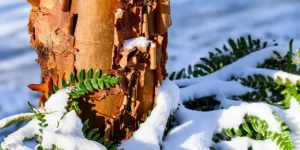
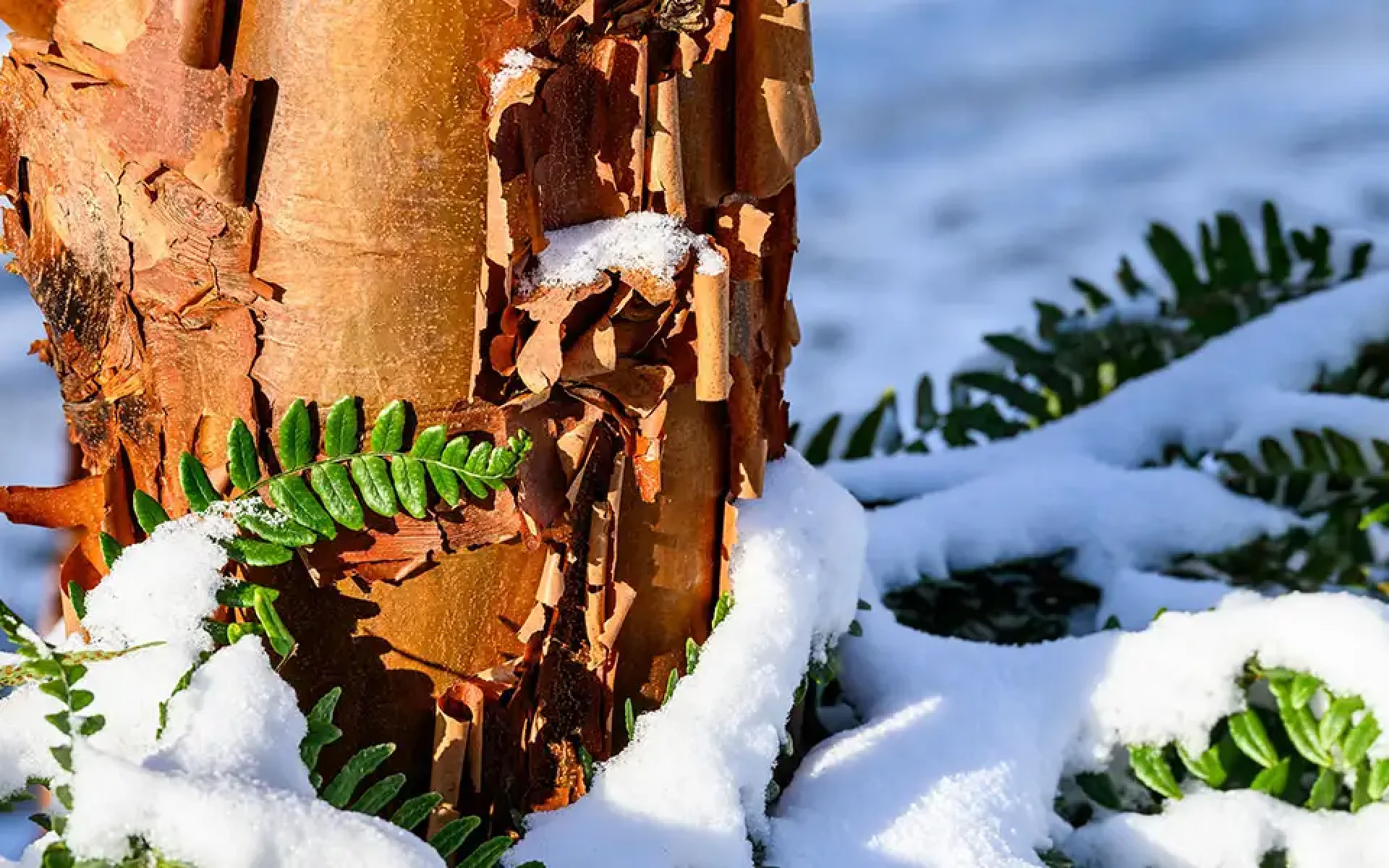
- Paperbark maple (Acer griseum): Rich, coppery bark that curls and peels in thin sheets. (A paperbark maple is pictured at the beginning of this article.)
These trees remind us that exceptional landscape beauty doesn’t have to depend on flowers or colorful leaves.
Hellebores Are Holding Their Own
Many perennials disappear completely from view in winter, but hellebores often retain attractive green foliage.
Also known as Lenten roses, these shade-loving perennials can provide welcome greenery in an otherwise dormant garden.
Their flowers typically appear in late winter or early spring in our region, although timing varies with the weather and variety.
Keep an eye on established plants as winter progresses. You may be among the first to spot the signs of their upcoming blooms!
Make December a Season to Enjoy Your Garden!
December reminds us that gardening isn’t always about digging, planting, pruning, or pulling weeds.
Sometimes, it’s about appreciating the beauty that’s already there.
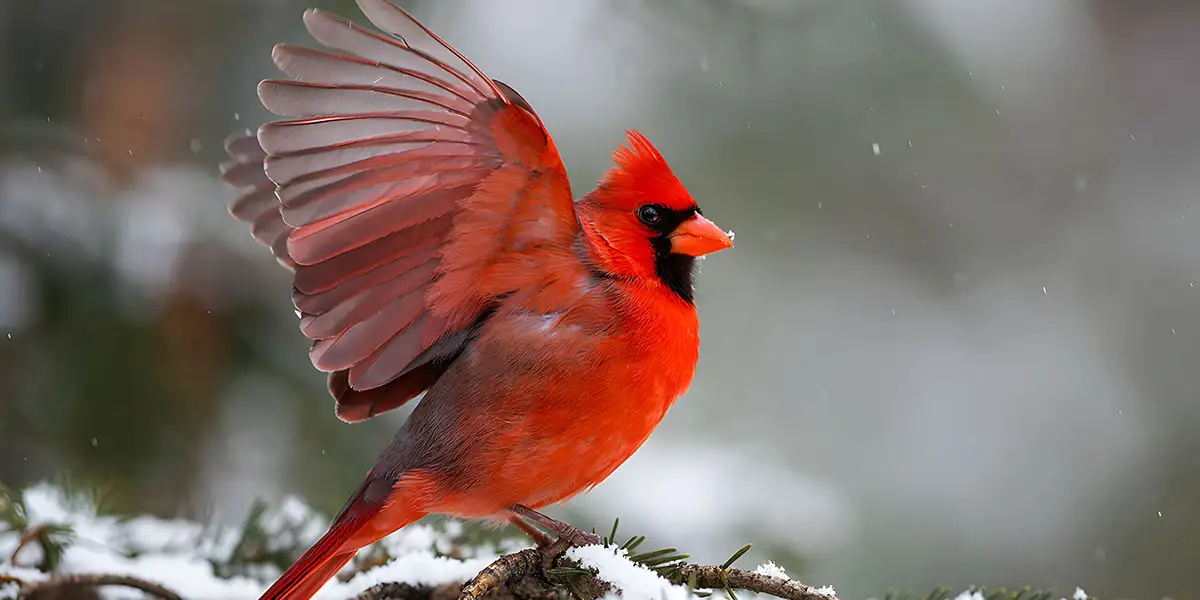
It’s the graceful shape of a bare tree against a winter sky. The brilliant red of a cardinal perched among evergreen branches. A beautiful holiday planter welcoming guests to your front door. Or the excitement of watching an amaryllis bud grow taller each day.
A little attention to your landscape this month can help protect plants through winter, while a few simple indoor projects can keep your love of gardening growing.
And there’s plenty of holiday inspiration waiting at Bountiful Acres!
Explore our selection of fresh-cut Christmas trees, wreaths, garland, holiday greenery, beautiful seasonal plants, decorative accents, and thoughtful gifts for gardeners and plant lovers.
Our knowledgeable, patient, and friendly team is always happy to answer your plant-care questions and help you find the perfect additions for your home and landscape.
We also offer professional holiday lighting and decorating services, along with complete landscaping services to help you enjoy your property throughout the seasons.
Stop by Bountiful Acres this December. We look forward to helping you make the season beautiful!
Happy December gardening and happy holidays from all of us at Bountiful Acres!