In the big, beautiful story of nature, pollination is one of the most important chapters. It’s the reason so many flowers, fruits, vegetables, trees, and shrubs can keep growing year after year. It’s also one of those everyday miracles happening right outside our windows, often while we’re busy watering containers, pulling weeds, or admiring a fresh bloom.
When most of us think about pollinators, bees usually get the spotlight. And they deserve plenty of applause. Bees are hardworking garden heroes. But butterflies deserve a standing ovation, too. With their bright wings, gentle movement, and almost magical way of floating from flower to flower, butterflies bring beauty and purpose to the garden.
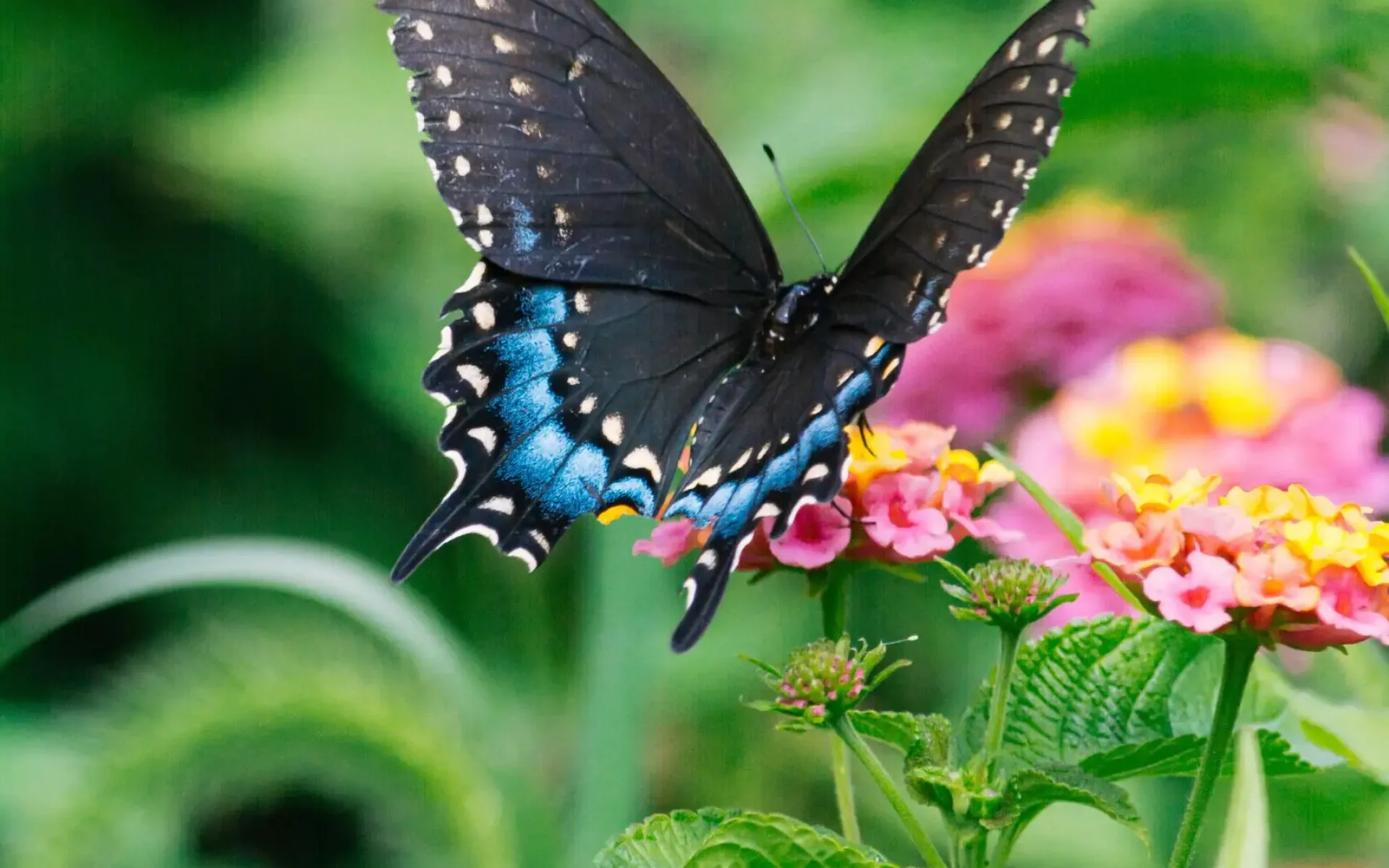
They’re not just passing through for the scenery. Butterflies help move pollen from bloom to bloom as they sip nectar, supporting the reproduction of many flowering plants. Even better, when you plant with butterflies in mind, you create a garden that feels alive, colorful, and welcoming from spring through fall.
The Butterfly’s Accidental Pollination
Butterflies may look delicate, but they have an important job to do. As they travel from flower to flower looking for nectar, they pick up pollen on their legs, bodies, and proboscis. The proboscis is that long, straw-like tongue butterflies use to sip nectar from flowers. When they move on to the next bloom, some of that pollen may rub off, helping the plant complete the pollination process.
Butterflies are different from bees in the way they collect food. Bees are built like tiny pollen-gathering machines, with fuzzy bodies and special pollen baskets on their legs. Butterflies are a little less organized about the whole thing. They’re more like cheerful garden visitors who accidentally help out while enjoying the buffet.
That doesn’t make their role any less valuable. In fact, butterflies are especially helpful for certain flowers that match their feeding style. Since butterflies need a place to land while they drink, they’re often drawn to flowers with broad, flat surfaces or clustered blooms. Once they settle in, they can take their time sipping nectar and moving pollen along the way.
Watching this happen is one of the joys of gardening! A monarch butterfly visiting butterfly weed (Asclepias tuberosa), a swallowtail drifting over garden phlox (Phlox paniculata), or a painted lady perched on purple coneflower (Echinacea purpurea) can turn an ordinary afternoon into a little backyard celebration.
Flowers that Attract Butterflies
Butterflies are not random in their flower choices. They’re looking for color, scent, shape, nectar, and a safe place to pause. When your garden offers those things, butterflies are much more likely to stop by and stay awhile.
Color is a big part of the attraction.
Butterflies are especially drawn to bright, cheerful shades that include purple, pink, orange, red, and yellow. These colors stand out against green leaves and act almost like garden signs that say, “Nectar this way!” Flowers such as zinnia, purple coneflower, black-eyed Susan, and blazing star are excellent choices for adding both color and pollinator appeal.
Scent matters, too.
Butterflies use smell to help locate food, so fragrant flowers can help pull them into the garden. Bee balm, garden phlox, lavender, and sweet alyssum can all add fragrance while making your garden more inviting.
Flower shape is another important factor.
Butterflies like blooms that give them a landing pad. Flat-topped or daisy-like flowers are easy for them to rest on while they feed. Coneflowers, zinnias, asters, and black-eyed Susans are great examples. Clusters of tiny flowers, such as those on Joe-Pye weed and yarrow, are also popular because they offer lots of nectar in one convenient stop.
Tubular flowers can be appealing as well, especially for butterflies with longer proboscises. Plants like bee balm and phlox can attract a variety of butterflies, along with hummingbirds and other pollinators.
The importance of milkweed…
Of course, no butterfly garden conversation is complete without milkweed. Milkweed is essential for monarch butterflies because it serves as the host plant for monarch caterpillars. Adult monarchs sip nectar from many flowers, but their caterpillars can only feed on milkweed species. In our region, great choices include butterfly weed (Asclepias tuberosa), swamp milkweed (Asclepias incarnata), and common milkweed (Asclepias syriaca).
And butterfly bush…
Butterfly bush (Buddleja davidii and cultivars) is also well known for attracting adult butterflies with nectar-rich flowers. In Pennsylvania gardens, it is wise to choose noninvasive or sterile cultivars when available, and to balance butterfly bush with native plants that support the full butterfly life cycle. Nectar is wonderful, but caterpillars need food, too.
Seasonal Timing is Everything
A butterfly-friendly garden isn’ just about what you plant. It’s also about when those plants bloom. Different butterflies are active at different times of year, and they need food from early spring through fall.
Early in the season, butterflies emerging from winter need quick access to nectar. Spring bloomers like crocus, wild violet, creeping phlox, and serviceberry can help provide early food. Even dandelion can be useful to early pollinators, especially before many ornamental flowers have opened.
As the weather warms, summer brings the butterfly garden into full swing. This is when many of the showiest pollinator plants begin to shine. Purple coneflower, black-eyed Susan, bee balm, zinnia, garden phlox, blazing star, and milkweed can keep butterflies busy for weeks. Add a few annuals like marigold or lantana for extra color and long-lasting bloom power.
Late summer and fall are especially important. By this time, some gardeners are ready to wind things down, but butterflies still need fuel. Monarchs, in particular, need nectar-rich flowers as they prepare for migration. New England aster (Symphyotrichum novae-angliae), aromatic aster (Symphyotrichum oblongifolium), goldenrod, and sedum can help carry your garden into fall with color and purpose.
Think of your garden as a seasonal menu. Spring offers the first snacks, summer serves the main course, and fall provides the travel rations. The more continuous the bloom, the more useful your garden becomes to butterflies and other pollinators.
Creating Your Pollinator Paradise
Creating a butterfly garden does not have to be complicated. You don’t need a huge yard, a formal garden design, or perfect conditions. A sunny flower bed, a few containers, or a corner of the landscape can become a butterfly-friendly space with the right plant choices.
-
Start with plant diversity. Butterflies love variety, and a mix of flowers helps attract different species. Choose plants with different heights, colors, bloom times, and flower shapes. A layered garden also looks more natural and gives butterflies more places to feed, rest, and take shelter.
-
Native plants are especially valuable. Because they’re adapted to our climate and local growing conditions, they often support native butterflies better than many nonnative ornamentals. In Bucks County landscapes, native plants such as butterfly weed, swamp milkweed, purple coneflower, black-eyed Susan, Joe-Pye weed, goldenrod, asters, and serviceberry can be beautiful and beneficial.
-
Don’t forget host plants. This is one of the biggest secrets to creating a truly butterfly-friendly garden. Nectar plants feed adult butterflies, but host plants feed caterpillars. Without caterpillars, there are no future butterflies. Milkweed supports monarchs, parsley, dill, and fennel can support black swallowtails, and spicebush is a host plant for spicebush swallowtails.
-
Water is helpful, too. Butterflies don’t usually drink from deep birdbaths the way birds do. Instead, they often gather moisture and minerals from damp soil or sand, a behavior called puddling. You can create a simple puddling spot by filling a shallow saucer with sand, adding water until it’s damp, and placing a few flat stones nearby for resting.
-
Sunlight is another key ingredient. Most butterfly-friendly plants grow best in full sun, and butterflies themselves are sun-loving creatures. They need warmth to fly, so they are often most active in bright, sunny areas protected from strong wind. Choose a garden spot that receives at least six hours of sun when possible.
-
Skip pesticides whenever you can. Even products meant for problem insects can harm butterflies, caterpillars, bees, and other beneficial garden visitors. A pollinator garden works best when it’s allowed to be a little lively. A few chewed leaves are often a sign that your garden is doing exactly what it should.
-
Shelter matters as much as flowers. Shrubs, trees, grasses, and taller perennials give butterflies places to rest and hide from wind, rain, and predators. A garden with a mix of heights feels more welcoming than a flat bed of flowers alone. Small trees and shrubs can also help frame the space and make it feel cozy.
-
Maintenance can be simple. Deadhead some flowers to encourage more blooms, remove aggressive weeds, and keep an eye on plants that need water during dry spells. As fall arrives, consider leaving some seed heads and stems standing. They can provide winter interest, food for birds, and shelter for beneficial insects.
Most of all, have fun with it. A pollinator garden should feel joyful, not fussy. Plant colors you love. Add a bench or a stepping stone path. Let kids help choose flowers. Keep a pair of binoculars or a butterfly guide nearby. The more time you spend watching, the more you’ll notice.
Visit the Butterflies at Bountiful Acres
At Bountiful Acres, we love helping families discover the wonder of butterflies up close. Our walk-through butterfly atrium gives visitors a chance to see the butterfly life cycle, watch pollination in action, and experience these beautiful creatures in a memorable way. It’s a favorite stop for kids, garden lovers, and anyone who could use a little extra magic in their day.
Our garden experts are also here to help you create your own pollinator paradise at home. Whether you want a full butterfly garden, a few pollinator-friendly containers, or a custom flower bed that blooms from spring through fall, we can help you choose the right plants for your space.
By planting for butterflies, you’re doing more than adding color to the garden. You’re supporting pollinators, encouraging biodiversity, and creating a landscape that feels alive with movement and beauty. Stop in to Bountiful Acres to explore our seasonal blooms, visit the butterfly atrium, and talk with our friendly team about getting started.