 The First Step is Knowing Who Did the Damage
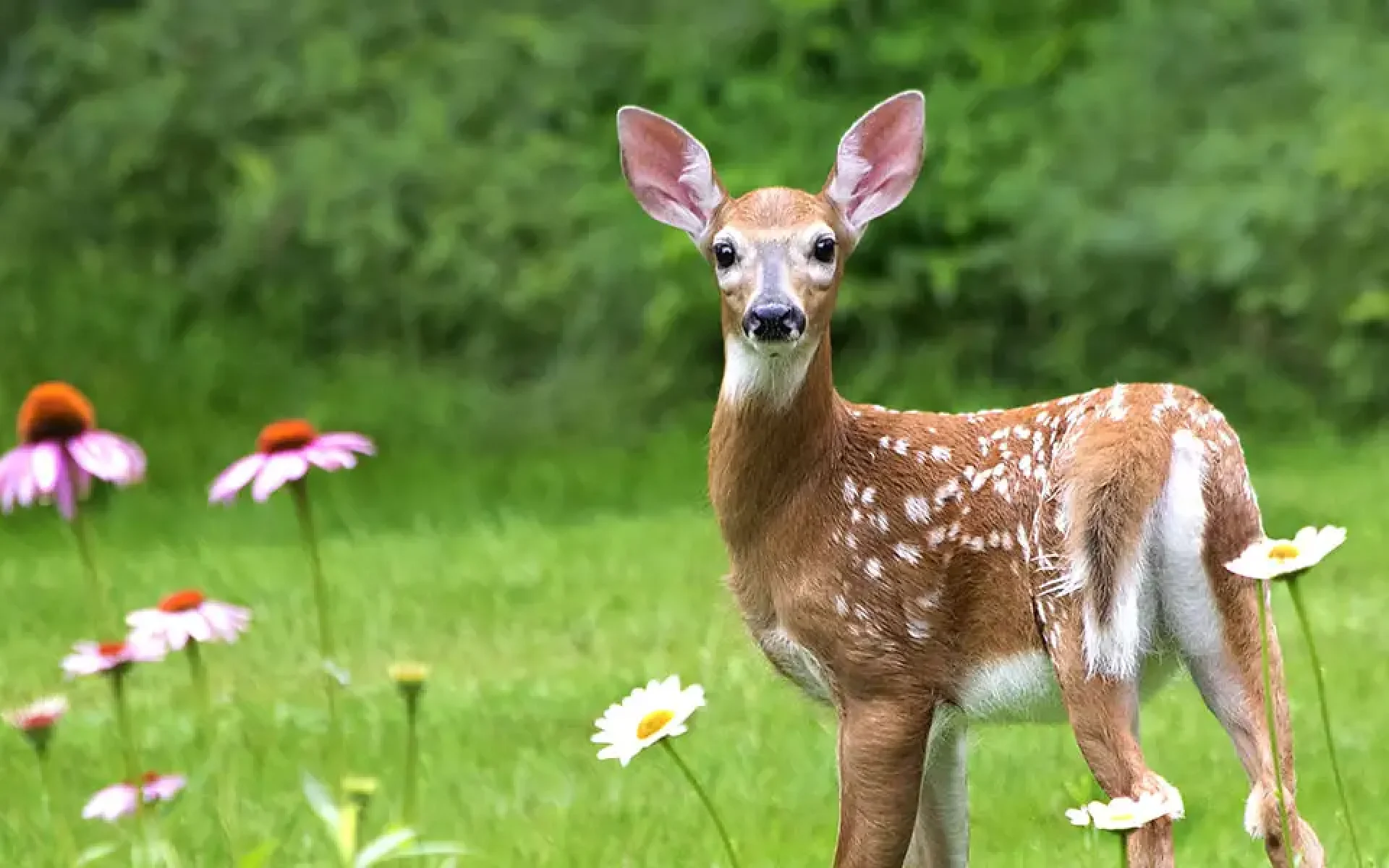
A little garden detective work can save you a lot of frustration. Penn State explains that deer lack upper incisors, so they tear vegetation and leave jagged, ragged ends. Rabbits and rodents, by contrast, leave cleaner cuts. Height matters, too. Deer damage often shows up higher on shrubs and perennials, while rabbit damage tends to stay much lower to the ground. Once you know who is snacking, your plan gets much more effective.
It also helps to accept a very Bucks County gardening truth: Pressure changes from yard to yard. A plant that behaves beautifully in one neighborhood may get sampled immediately in another, especially if you are near woods, meadow edges, or a deer travel route. That is why Penn State repeatedly stresses plant resistance rather than plant immunity. Deer-resistant is not the same thing as deer-proof, and hungry animals are very willing to revise their opinions.
 Better Plant Choices for Sunny Bucks County Gardens
If you want a sunny garden that still looks lush and lively, start with plants that offer scent, texture, or tougher foliage.
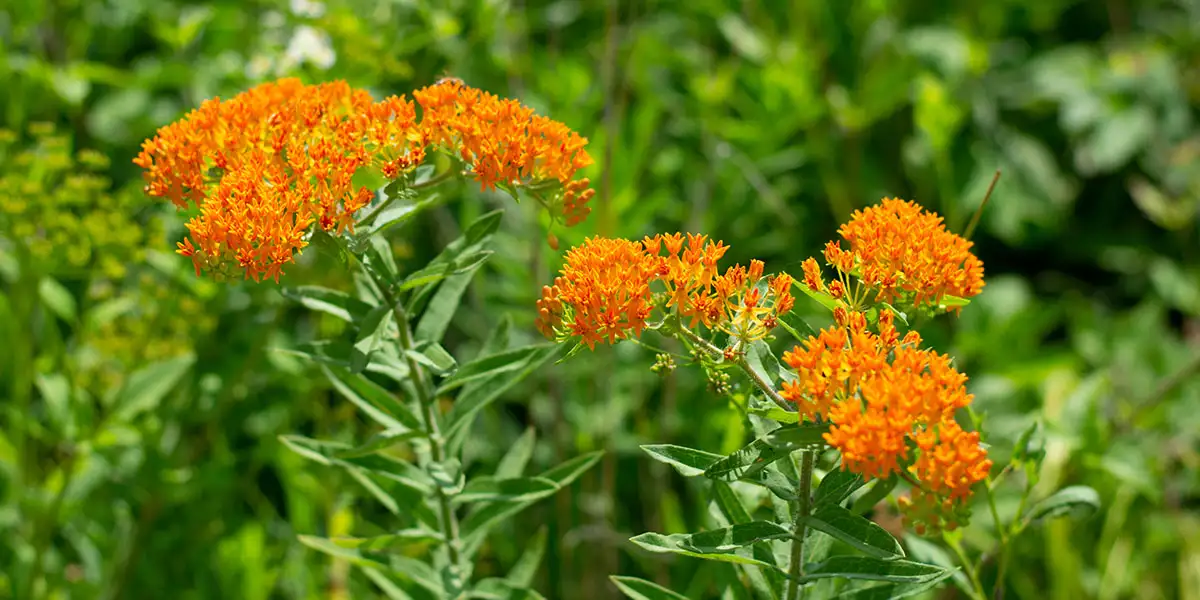
- Butterfly weed (Asclepias tuberosa) is an easy, sun-loving native for well-drained soil
- Milkweeds are also usually deer resistant
- Native mountain mints (Pycnanthemum spp.) are another strong choice, being aromatic, deer-resistant, and absolute pollinator magnets
- Wild blue indigo (Baptisia australis) is also a standout, as it’s deer resistant and tolerant of heat, drought, and humidity once established.
These are the kinds of plants that bring in butterflies and bees without reading like a menu.
- Another choice is bluestar (Amsonia spp.); it’s deer- and rabbit-resistant, low maintenance, and useful across three seasons.
In fact, pair bluestar with butterfly weed and mountain mint, and you get a planting that feels soft, natural, and full of movement, while still being a lot less tempting than a bed full of tulips and hostas.
And because not every sunny bed has to shout to be successful, don’t overlook violets and goldenrods. Violas are deer-resistant spring perennials, and many goldenrods are hardy, deer resistant, and adaptable. Those choices work especially well in more naturalistic Bucks County landscapes where you want a softer, meadow-inspired look that still holds its own under browsing pressure.
 Shade Gardens Don’t Have to Wave the White Flag
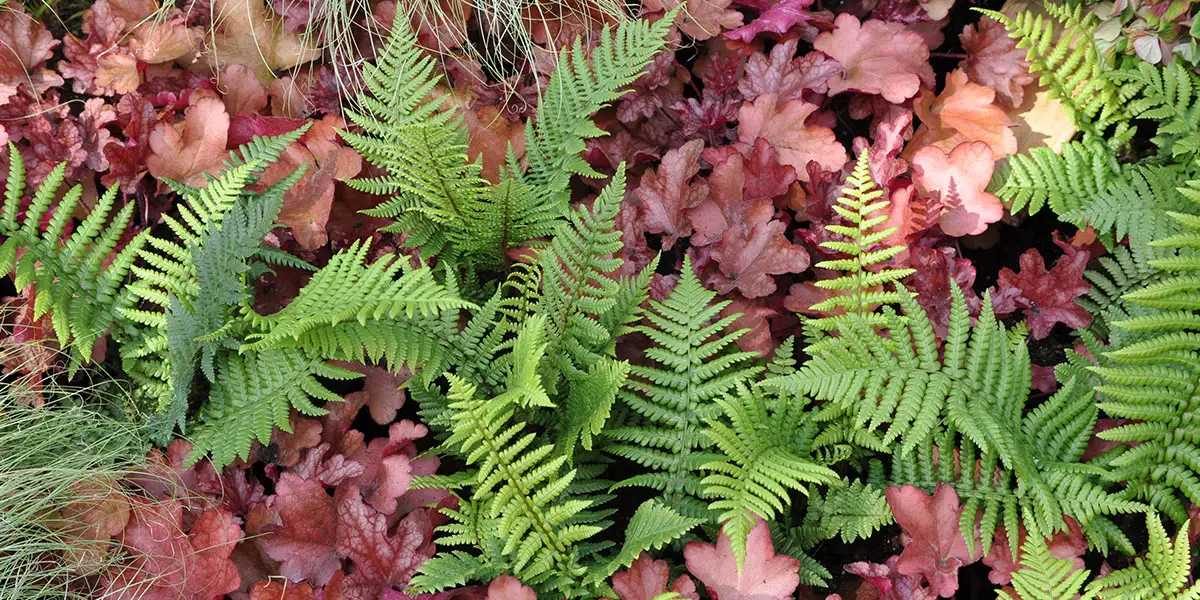
A lot of local gardens lean shady, especially under mature trees or along woodland edges, but shade does not mean surrender. One of the most helpful Pennsylvania examples comes from Penn State’s Delaware County teaching gardens. Their Utility Garden, designed for partial to heavy shade, is made up of more than 30 plant varieties, with 81% identified as deer tolerant. Featured plants include:
- Lenten rose
- Alumroot (heuchera)
- Epimedium (barrenwort)
- Solomon’s seal
- Ostrich fern
- Christmas fern
That’s very encouraging for homeowners because it shows what a real Pennsylvania demonstration garden actually relies on in tough conditions! If you’re working with dry shade or the kind of root-filled soil that laughs at your trowel, a combination of Lenten rose, alumroot, epimedium, and ferns can create a layered, elegant look that still feels welcoming and gardenesque instead of desperate. Penn State also notes that ostrich fern is generally deer resistant, though new plantings and emerging fiddleheads can still be vulnerable, which is a good reminder that even resistant plants are most at risk right after planting.
For rabbit pressure, Penn State’s Pike County Master Gardener rabbit-resistant list is especially useful. It includes coral bells or alumroot, ornamental onion, hummingbird mint, and butterfly weed, all of which can help you build a landscape that is a lot less appetizing at ground level.
 Shrubs, Evergreens, and Bulbs Do a Lot of the Heavy Lifting
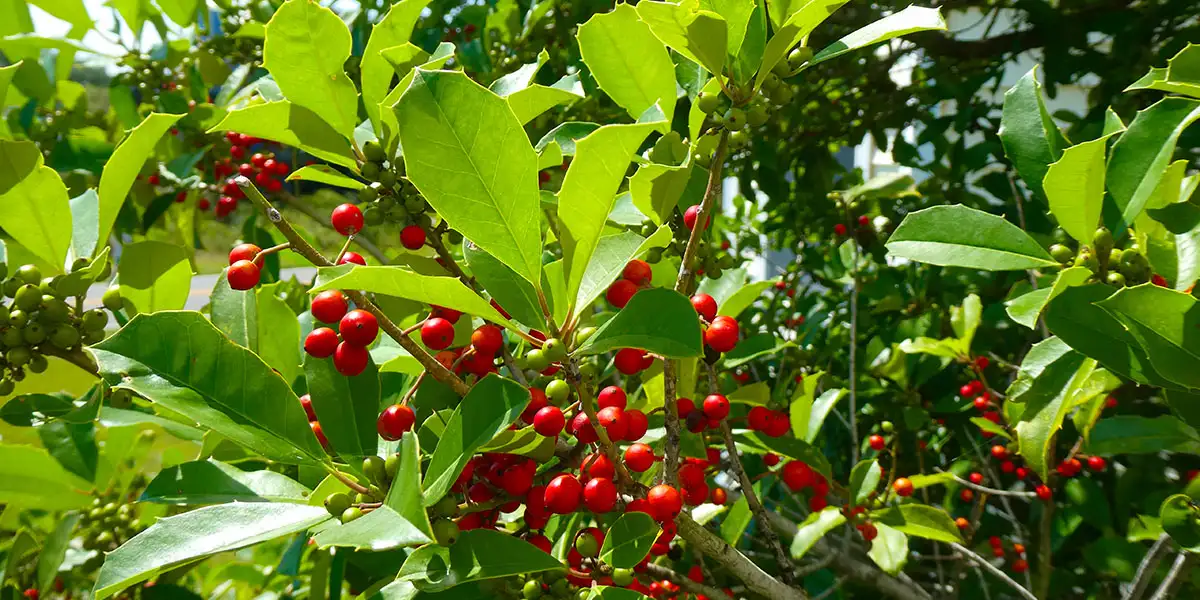
The backbone of the landscape matters. Hollies are among the shrubs deer resist better than many others, especially American holly (Ilex opaca) with its thick, pointy foliage that deer show little interest in eating.
Inkberry (Ilex glabra) is another excellent Pennsylvania option. It’s not only deer resistant, but also tolerant of occasional flooding and drought.
Northern bayberry (Morella pensylvanica) is worth a look for Bucks County sites with difficult soil or roadside exposure, because it also tolerates tough conditions.
Sweet pepperbush (Clethra alnifolia) is another shrub that’s deer resistant, and offers fragrance, attracts pollinators, and has exceptional adaptability.
If you want a lower, more natural shrub for slope plantings or informal borders, fragrant sumac (Rhus aromatica) is an especially smart choice. It has spicy-citrus foliage that resists deer browse, and it is one of those plants that quietly does a lot: great fall color, useful spread, and a tidy habit in the right cultivar.
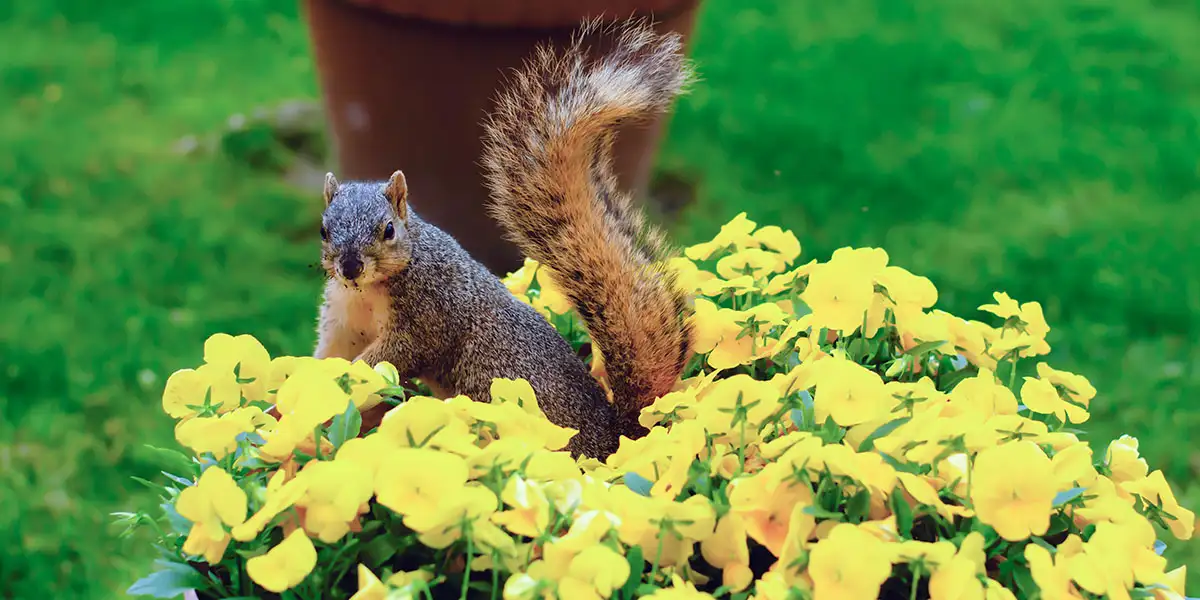
Bulbs deserve their own paragraph because this is where many gardeners have experienced heartbreak. Penn State’s Chester County guidance notes that daffodils (Narcissus spp.) are great for naturalizing and are rabbit and deer resistant. By contrast, tulips are often the first bulbs that squirrels go after. Chipmunks also may eat flower bulbs, seeds, and seedlings. So yes, if tulips keep disappearing, it’s not personal, but it’s also not your imagination. If you have a yard that sees a lot of critter damage, daffodils and ornamental onions (Allium spp.) may be smarter investments.
 How to Protect New Plants Before They Become Established
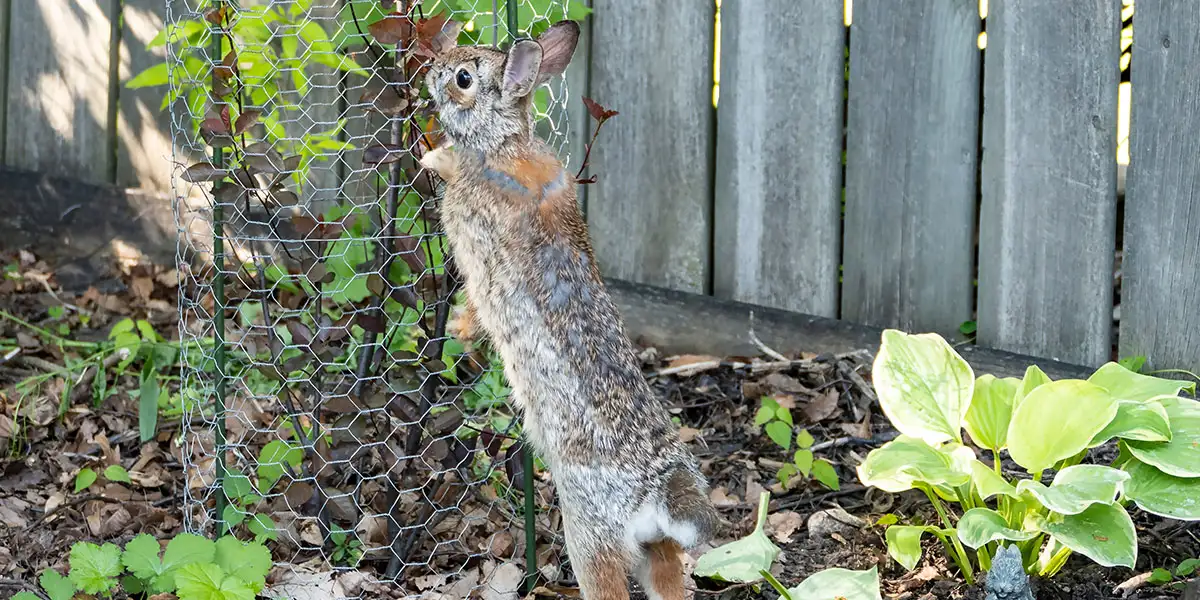
When browsing pressure is high, physical barriers are still the most dependable answer. Penn State recommends whole-yard deer fencing at least 7 feet tall, while Allegheny County Master Gardener guidance notes deer can clear 8 feet and suggests even taller or double fencing in difficult situations. For individual shrubs and young trees, surround the plant with fencing high enough that the deer cannot simply lean over and browse the top.
Rabbit protection is simpler, and that’s good news. Rabbit fencing should have holes no larger than one inch, at least 24 inches tall, with the bottom buried a few inches so rabbits cannot tunnel underneath. Penn State’s cottontail guidance also notes that the lower 1.5 to 2 feet of a fence should be covered with small-mesh wire. That makes small enclosures, tree guards, and protective rings around prized new perennials very worthwhile, especially in the first season.
Squirrels and chipmunks call for a different strategy. Since they may eat bulbs, seeds, and seedlings, the most effective move is often temporary protection right after planting. A wire cover over a bulb planting area, a cloche over newly seeded containers, or a top dressing that makes digging less fun can make a surprisingly big difference. Squirrels are persistent, but they are also opportunists. Make the job annoying enough, and many of them will move on.
 A Few Smart Habits Go a Long Way
Good design helps as much as good plant choice. Start with tougher shrubs and deer-tolerant perennials as the structure of the garden, then tuck your most vulnerable treasures closer to the house, patio, or protected beds. Don’t repeat the same highly palatable plant all over the yard, because that just turns a snack into a theme. Also, keep in mind that newly planted material is almost always more vulnerable than established material. Tender new growth is exactly what wildlife is looking for.
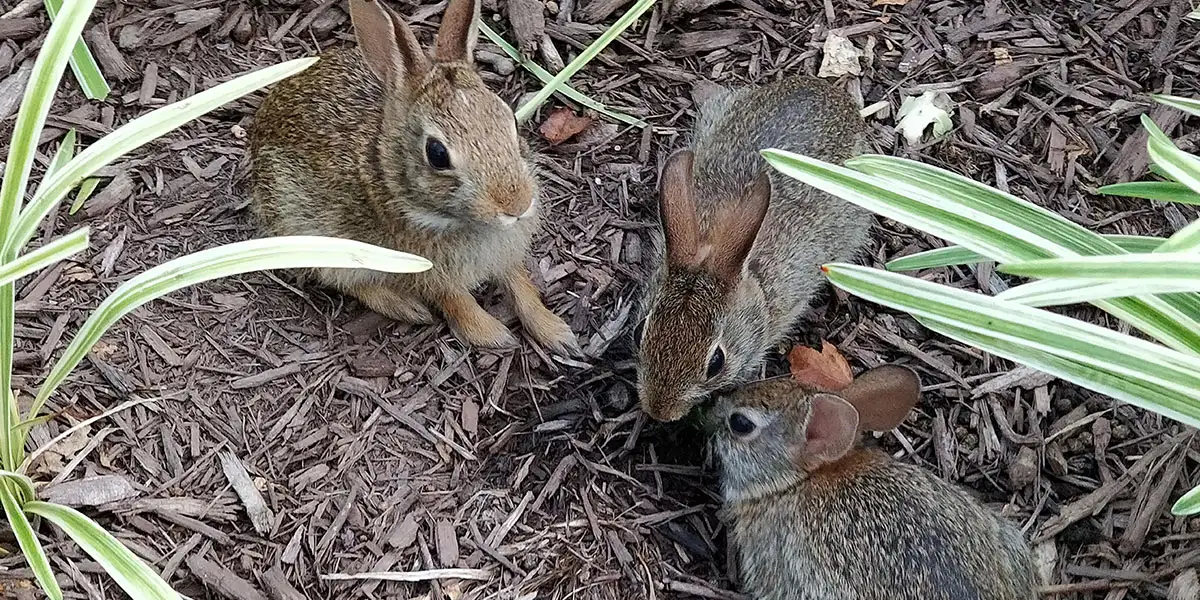
One more fun fact, because it explains a lot: The Pennsylvania Game Commission says each mature female eastern cottontail averages four litters per year, with litter sizes averaging five young. Penn State says cottontails can raise as many as six litters. So when one cute rabbit becomes several cute rabbits and your pansies suddenly look nervous, there’s a good reason. Early prevention beats late outrage every time!
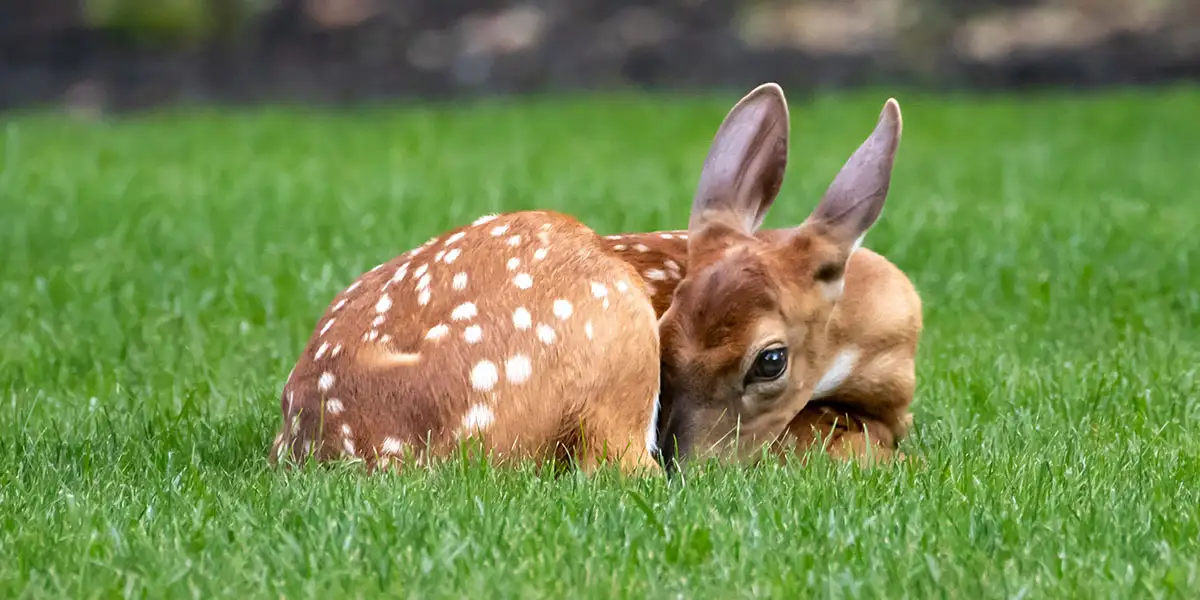 A Beautiful Bucks County Garden and Local Wildlife Can Coexist
The goal is not to “win” against every deer, rabbit, and squirrel in the neighborhood. It’s to create a garden that is beautiful, resilient, and just a little less tempting than the next one. Choose plants with resistance, protect new additions while they establish, lean on shrubs and bulbs that do more of the defensive work for you, and remember that layering strategies always works better than relying on one trick. That’s how you get a garden that feels lush and welcoming to people, pollinators, and visiting grandchildren, while being far less exciting to the local garden bandits.