October is one of the most rewarding months to spend outside in Bucks County. Comfortable temperatures, brilliant fall foliage, crisp mornings, and the changing colors of the landscape make this an especially enjoyable time to work in the yard. It’s also an important month for planting and preparing your landscape for winter.
While spring often gets most of the gardening attention, what you do in October can have a tremendous impact on how your landscape looks next year. Trees and shrubs planted now can begin establishing roots before winter. Spring-flowering bulbs tucked into the ground this month provide a welcome burst of color after winter. Thoughtful garden cleanup can protect plants while providing valuable habitat for birds and beneficial insects.
October weather in Bucks County can change quickly, too. Warm, sunny afternoons may be followed by chilly nights, and frost becomes an increasing possibility as the month progresses. Keeping an eye on the forecast can help you protect tender plants and make the most of the remaining growing season.
- Plant Trees and Shrubs
- Keep Watering, Even Though Summer Is Over
- Plant Spring-Flowering Bulbs
- Watch the Forecast for Frost
- Bring Houseplants and Tropical Plants Indoors
- Dig and Store Tender Bulbs and Tubers
- Don’t Be Too Aggressive With Fall Garden Cleanup
- Get Fallen Leaves Off the Lawn, But Keep Them Working for You
- Clean Up the Vegetable Garden
- Plant Garlic
- Be Smart About Mulch
- Keep Deer and Other Winter Munchers in Mind
- Take Pictures of Fall Color You Love
- Refresh Containers and Entryways
- Start Thinking About Winter and Holiday Projects
1. Plant Trees and Shrubs
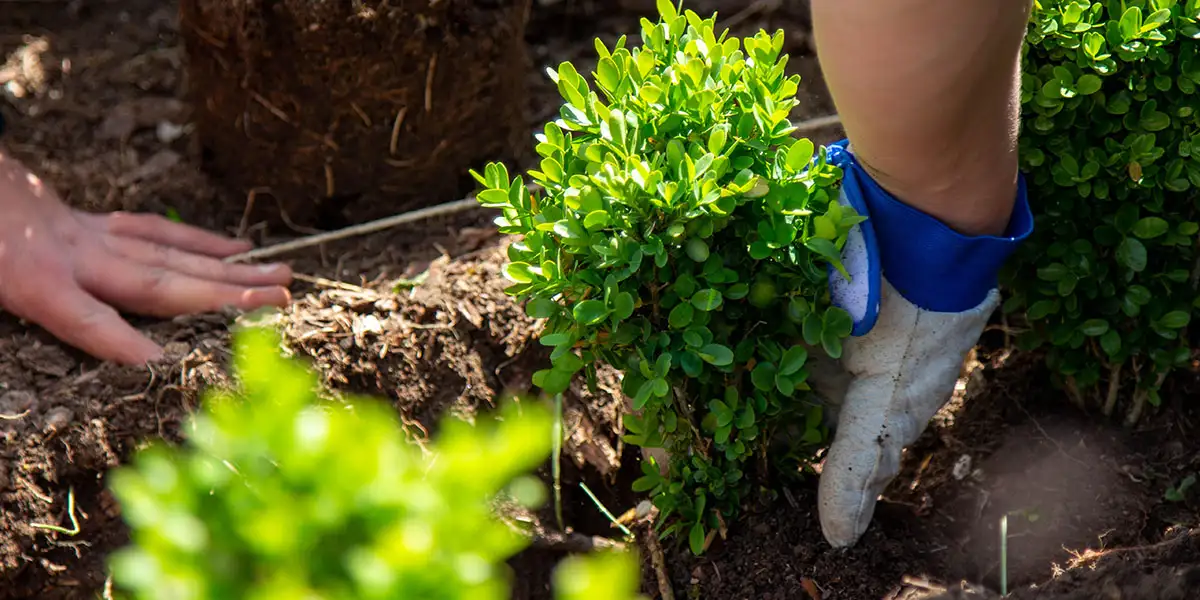
October can be an excellent time to add trees and shrubs to the landscape. Cooler air temps reduce heat stress, while the soil generally remains warm enough for roots to continue developing.
Fall planting is particularly useful if you spent the summer noticing areas where your landscape needs more shade, privacy, structure, seasonal color, or wildlife value.
Consider plants that bring more than one season of interest. Oakleaf hydrangea (Hydrangea quercifolia), for example, offers flowers as well as outstanding fall foliage. Native serviceberries (Amelanchier spp.) provide spring flowers, fruit for wildlife, and attractive autumn color. American holly (Ilex opaca) can contribute evergreen structure and valuable winter interest.
Plant selection matters just as much as planting technique. Match each tree or shrub to its mature space, sunlight, soil conditions, drainage, and moisture availability rather than choosing based solely on how it looks at the garden center.
Newly planted trees and shrubs require careful watering while they establish. Penn State Extension emphasizes that insufficient water is a major reason newly planted trees fail, and fall-planted specimens should continue receiving appropriate water until freezing temperatures arrive.
Bountiful Acres grows many of our own trees and shrubs, giving our team firsthand knowledge of the plants we sell and how they perform. If you aren’t sure what belongs in a particular spot, bring us photos and a few details about the location. Our staff will be happy to help you narrow the choices.
2. Keep Watering, Even Though Summer Is Over
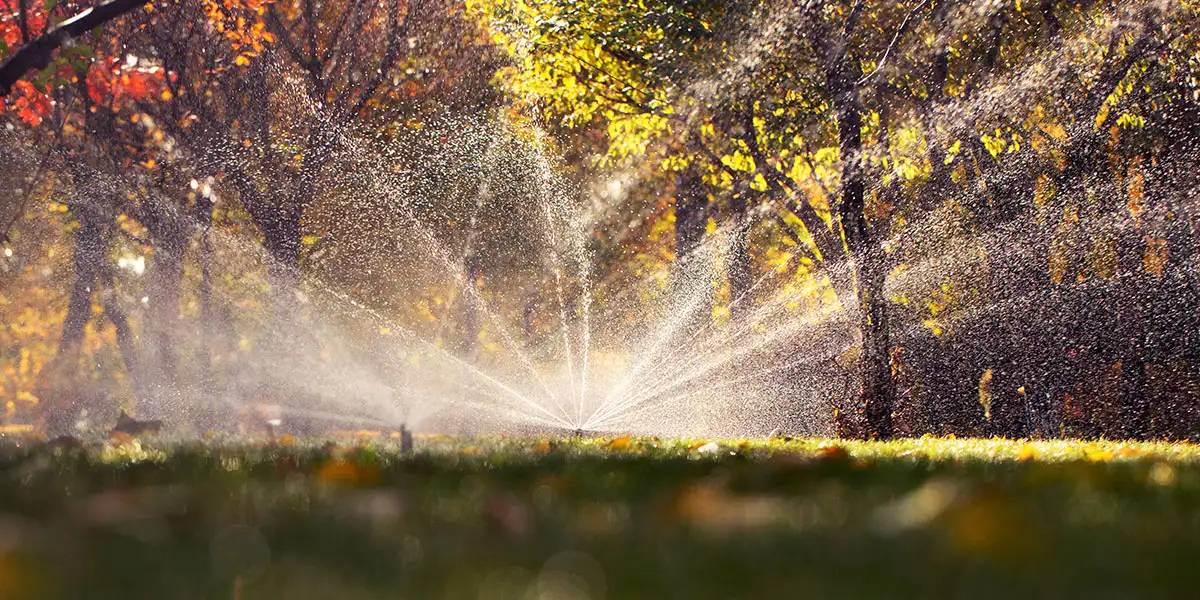
Cooler temperatures can make it easy to forget about watering, but October can still bring surprisingly dry stretches.
Pay particular attention to trees, shrubs, and perennials planted this year. Evergreens deserve extra attention because they continue losing moisture through their foliage during winter, including periods when frozen soil prevents their roots from replacing that moisture.
Water deeply rather than giving plants frequent, shallow sprinklings. Allowing water to reach the root zone encourages healthier root development and gives plants a better moisture reserve heading into winter.
Continue to monitor recently planted woody plants during fall; drought stress can contribute to winter injury, particularly in younger plants.
3. Plant Spring-Flowering Bulbs
Want a more colorful April and May? The work begins now.
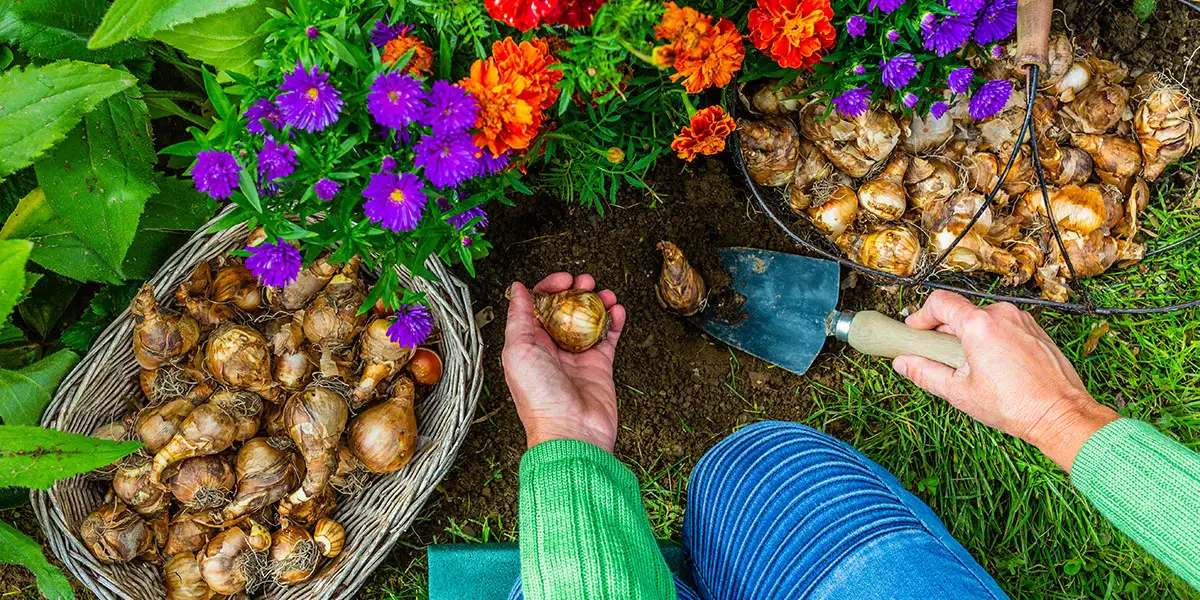
October is prime time for planting many spring-flowering bulbs, including daffodils, tulips, crocuses, ornamental onions, and hyacinths (Hyacinthus orientalis).
Choose firm, healthy bulbs and plant them in soil with good drainage. Spring bulbs generally perform best where they receive plenty of sunlight, although planting beneath deciduous trees can work well because the bulbs receive abundant sunshine before the trees leaf out.
As a general guideline, Penn State Extension recommends planting bulbs approximately two and one-half to three times as deep as the bulb is tall, while following specific package directions when available.
For the strongest visual effect, think in groups or drifts rather than scattering isolated bulbs throughout a bed. Planting several bulbs of the same variety together creates a much more noticeable display.
One afternoon of planting in October can deliver weeks of flowers next spring!
4. Watch the Forecast for Frost
October is frost-watch season in Bucks County.
Tender annuals, tropical plants, herbs, vegetables, and container plants may need protection when nighttime temperatures begin dropping toward freezing. Local conditions can vary considerably, so pay attention to your own property rather than relying on a calendar date.
Before a cold night, harvest remaining warm-season vegetables and herbs you want to save. Move valuable containers into a protected location, and bring tropical houseplants indoors before they experience damaging cold.
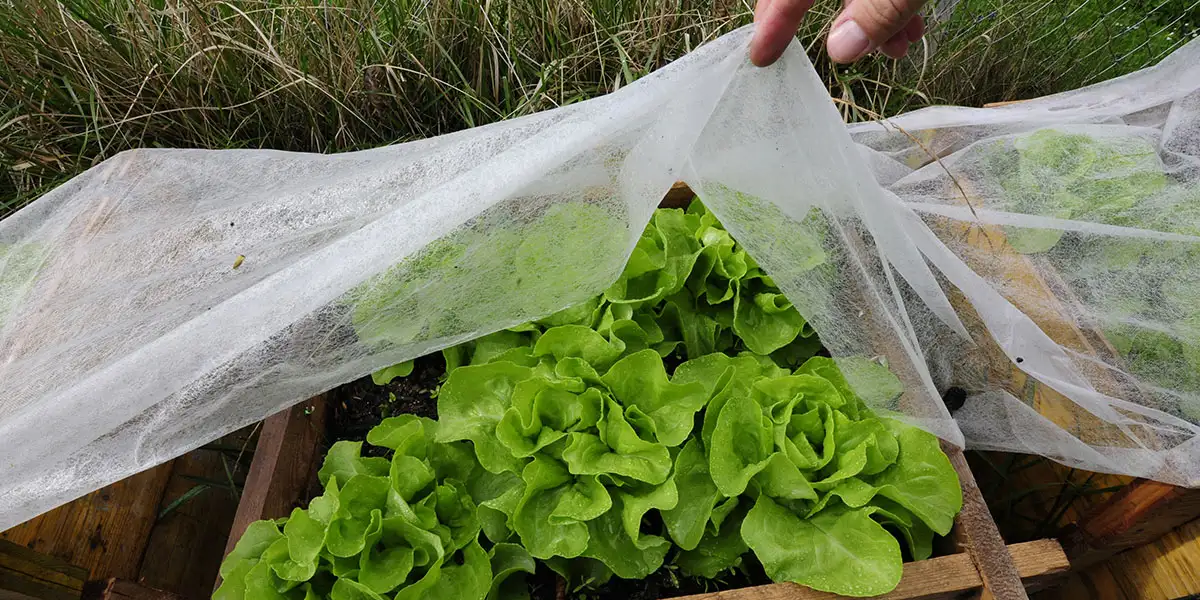
A lightweight frost cloth can sometimes extend the season for cool-weather vegetables and other suitable plants. Avoid placing plastic directly against foliage because it can transfer cold to plant tissue.
5. Bring Houseplants and Tropical Plants Indoors
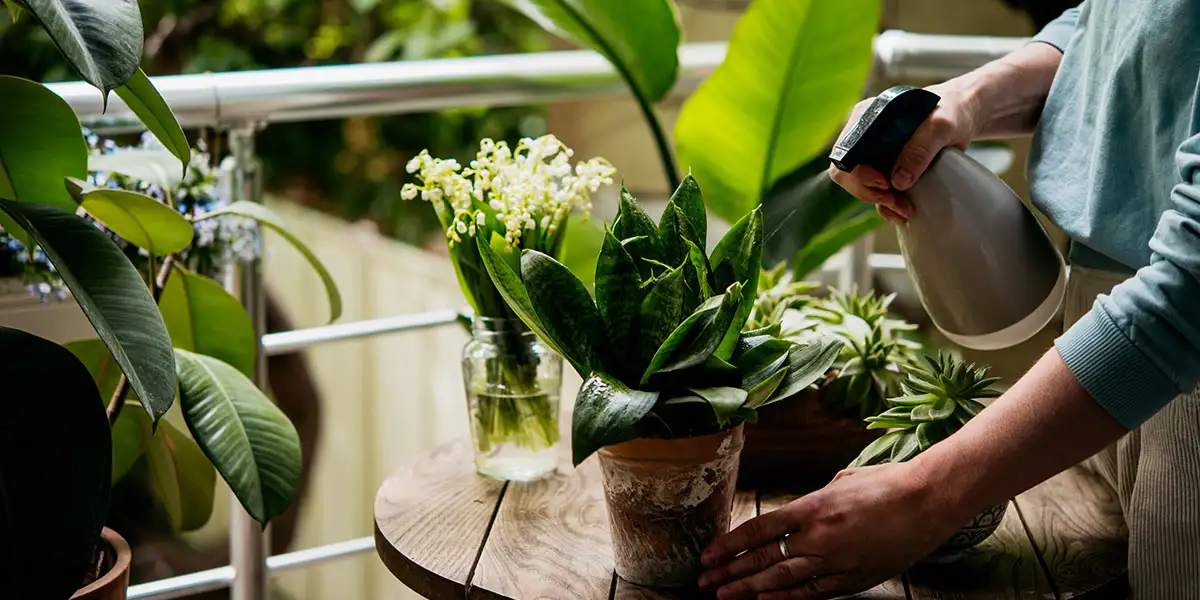
If your houseplants spent the summer vacationing outdoors, do not leave their return trip until the last minute.
Inspect plants carefully before bringing them inside. Check the tops and undersides of leaves, stems, pot rims, and drainage holes for insects, egg masses, or other unwelcome passengers.
Plants such as tropical hibiscus (Hibiscus rosa-sinensis), elephant ears (Colocasia esculenta and related plants), and other cold-sensitive container specimens need protection well before Bucks County settles into consistently cold nights.
Once inside, expect plants to adjust to lower light levels and drier indoor conditions. Their watering needs may decrease, so check the soil before automatically reaching for the watering can.
If your plants are too big for you to comfortably bring in for the winter, or you simply want us to take care of them for you, talk to us as soon as you can about our overwintering services and about reserving a protected space in our greenhouse.
6. Dig and Store Tender Bulbs and Tubers
Not everything growing happily in your summer garden can remain outside through a Pennsylvania winter.
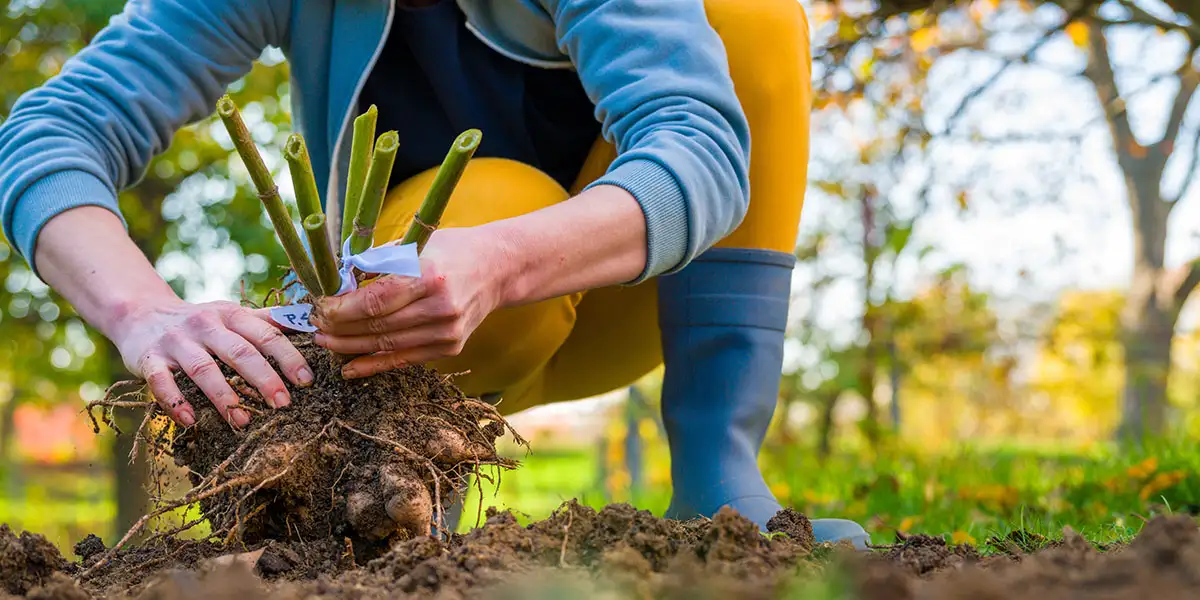
Dahlias, cannas, gladioli, and other tender bulb-like plants may need to be lifted and stored in a protected location after frost affects their foliage.
Penn State Extension distinguishes these tender summer-flowering plants from cold-hardy spring-flowering bulbs. The tender types are generally planted after frost danger in spring and dug before winter because they cannot reliably survive freezing conditions in the ground.
Label what you store! It’s surprisingly easy to forget which color or cultivar is which by spring.
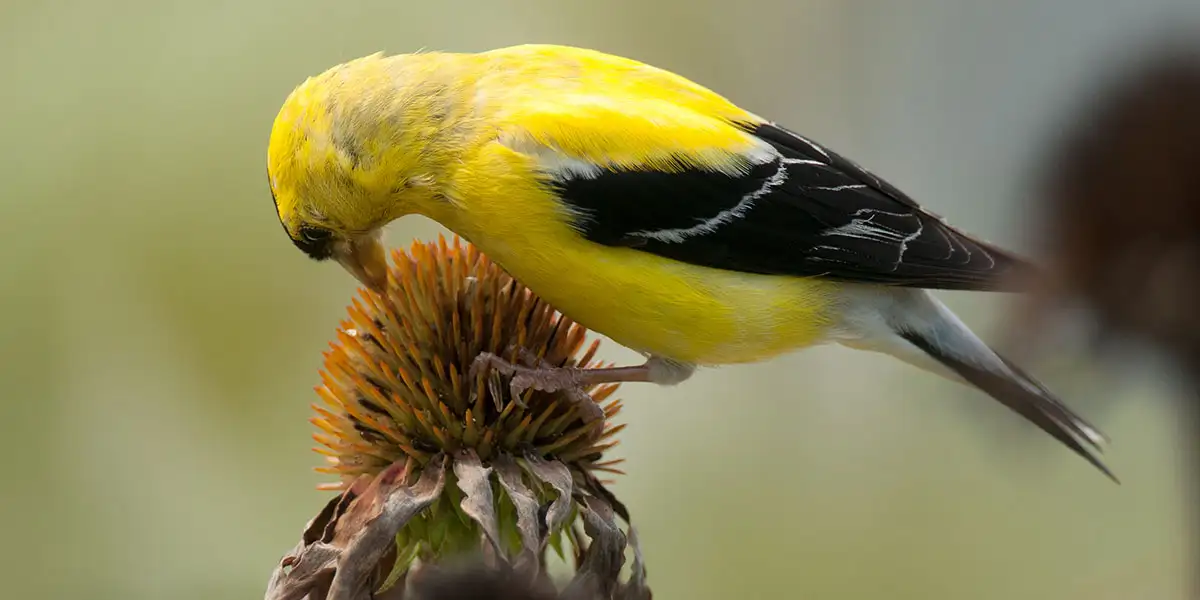
7. Don’t Be Too Aggressive With Fall Garden Cleanup
A perfectly bare garden is not necessarily a healthier garden.
Many beneficial insects overwinter in hollow stems, leaf litter, seed heads, and other garden material. Birds also appreciate seed-producing perennials during fall and winter.
Consider leaving sturdy stems and seed heads standing on plants such as purple coneflower (Echinacea purpurea), black-eyed Susan, goldenrod, and ornamental grasses. Besides helping wildlife, these plants can add attractive texture to the winter landscape.
There is an important exception. Diseased plant material should generally be removed rather than left in place where it could contribute to future problems.
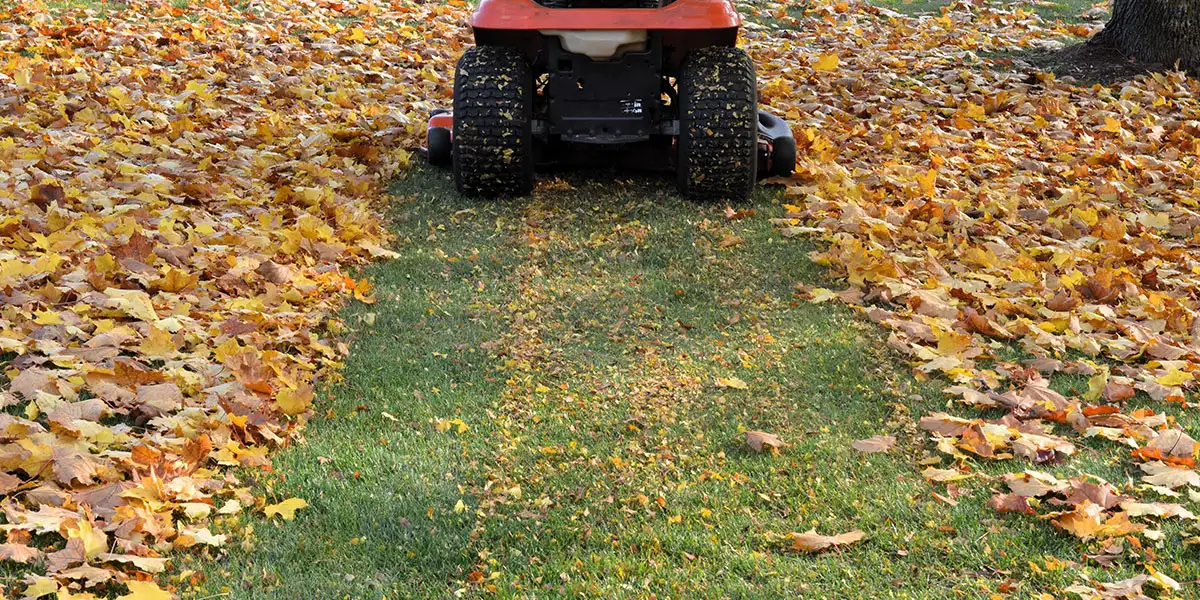
8. Get Fallen Leaves Off the Lawn, But Keep Them Working for You
Autumn leaves are a valuable resource.
That said, thick layers of whole leaves should not remain matted across turf for extended periods because they can block sunlight and interfere with healthy grass. Instead of automatically sending every leaf away, consider mowing over a light layer to chop leaves into smaller pieces or moving leaves into appropriate garden beds.
Shredded leaves can become excellent organic material as they decompose. Leaves can also be composted or collected separately to create leaf mold for future use in the garden.
The goal is not necessarily to remove every leaf from your property. It’s to move leaves where they can do the most good.
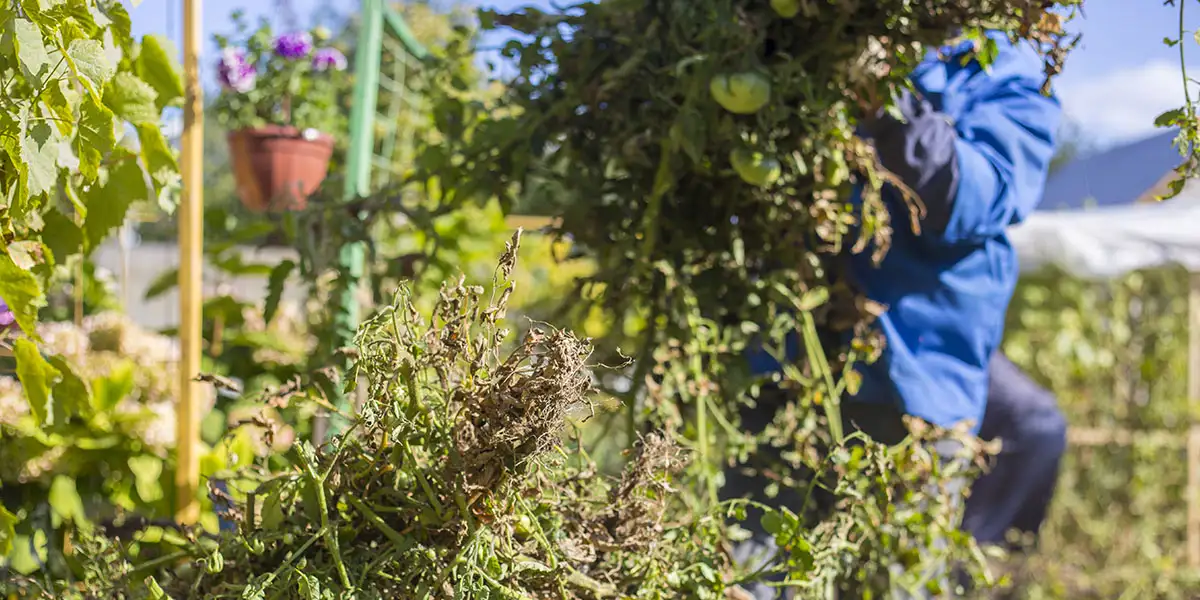
9. Clean Up the Vegetable Garden
Once frost finishes warm-season crops such as tomatoes, peppers, cucumbers, squash, and beans, remove declining plants from the vegetable garden.
Healthy plant material can usually go into a properly managed compost pile. Plants showing significant disease problems are better removed rather than returned to the garden through home compost.
Don’t assume the vegetable season is completely finished, however. Established cool-season crops may continue producing into chilly weather, particularly with some protection.
October is also a good time to record what worked this year. Note which varieties performed well, where pest problems appeared, and which areas produced poorly. Those notes can save a surprising amount of guesswork next spring.
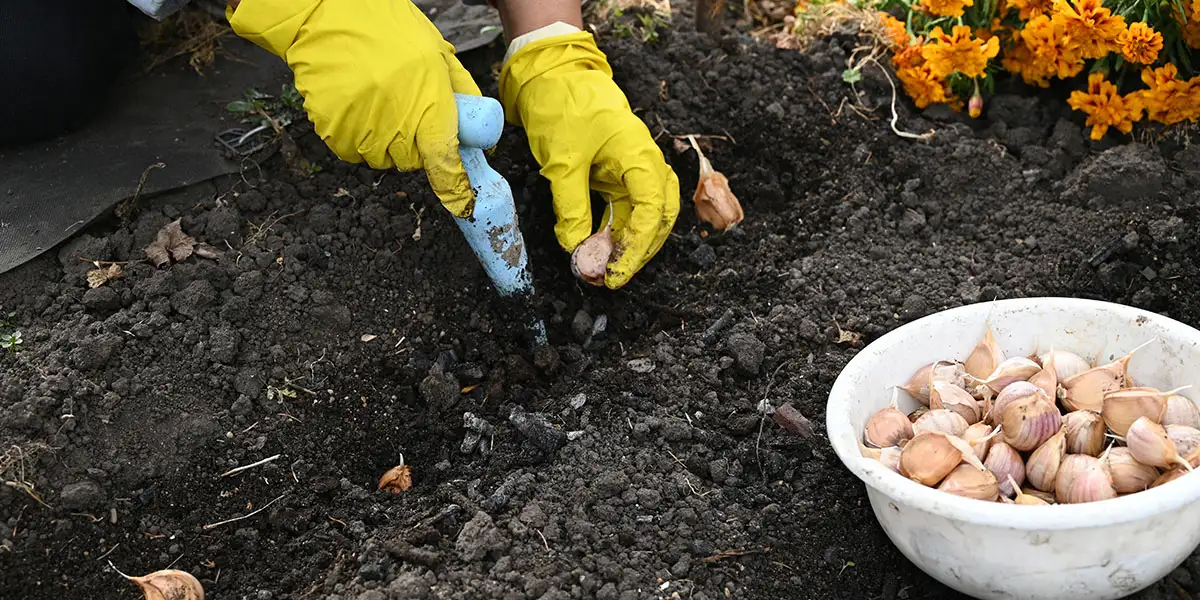
10. Plant Garlic
Garlic (Allium sativum) is another crop that rewards fall preparation.
Plant individual cloves in a sunny, well-drained location with the pointed ends facing upward. They will establish before winter, resume growth in spring, and develop into bulbs for harvest the following summer.
Fall planting gives garlic the cold period it needs for proper development. Choose healthy planting stock rather than random supermarket bulbs, which may not be varieties well suited to local growing conditions.
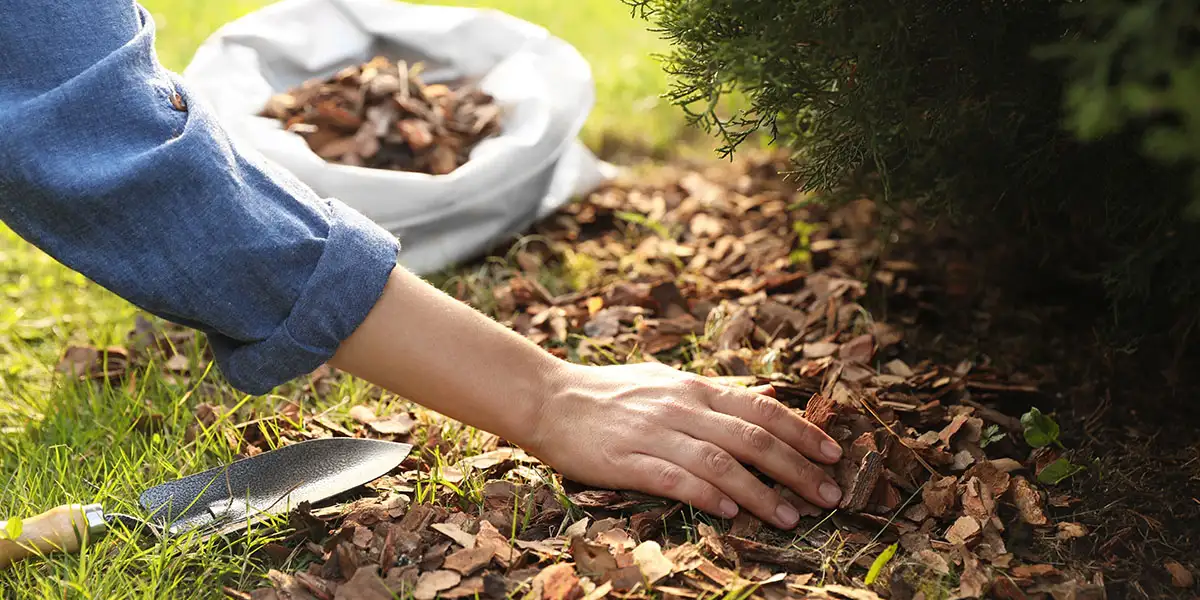
11. Be Smart About Mulch
Fall is a good time to inspect mulched beds, but resist the temptation to bury plants beneath oversized mulch piles.
A moderate layer of organic mulch helps conserve moisture, moderate soil temperature, and protect the root zone. Around trees, keep mulch away from the trunk and make sure the root flare remains visible.
The familiar “mulch volcano,” with mulch piled high against a tree trunk, can create unnecessary problems.
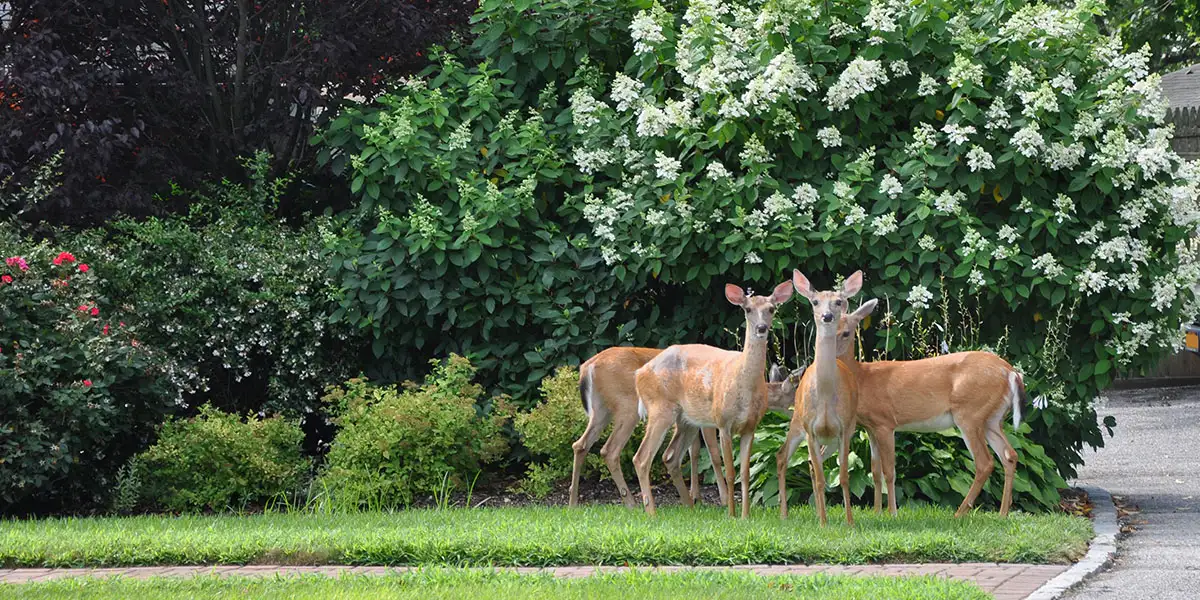
12. Keep Deer and Other Winter Munchers in Mind
As natural food becomes less plentiful, deer may turn increasing attention toward landscape plants.
Inspect fencing, barriers, and other protection before winter arrives. Young trees may also benefit from appropriate trunk protection where deer rubbing or animal damage has been a problem.
When adding plants this fall, ask about deer resistance, but remember that “deer-resistant” does not mean “deer-proof.” A hungry deer can become considerably less selective!
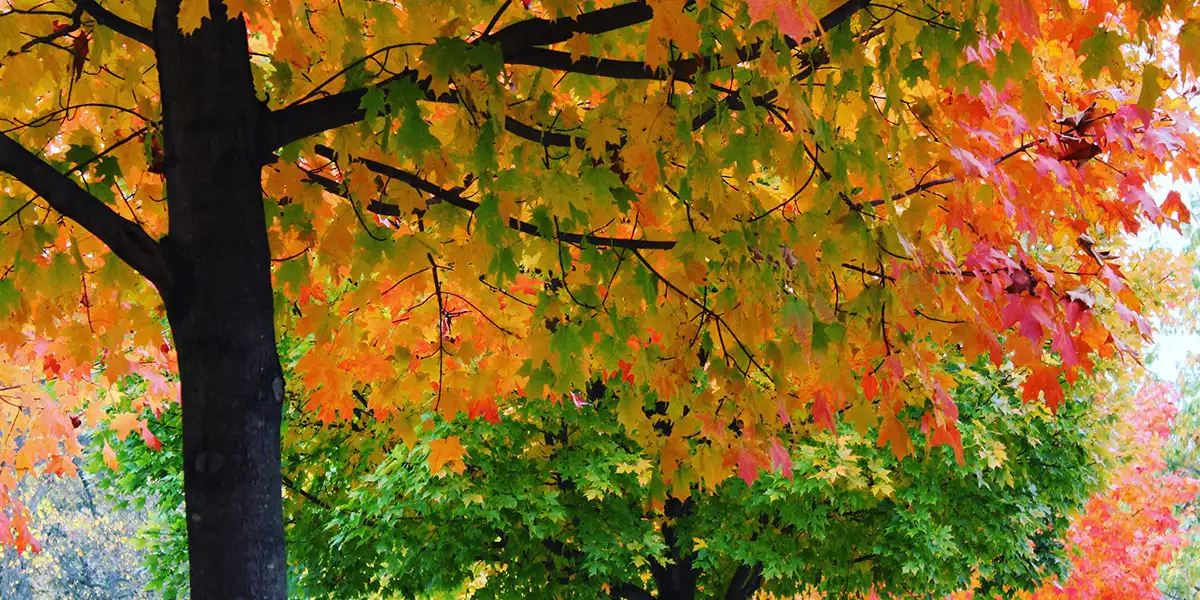
13. Take Pictures of Fall Color You Love
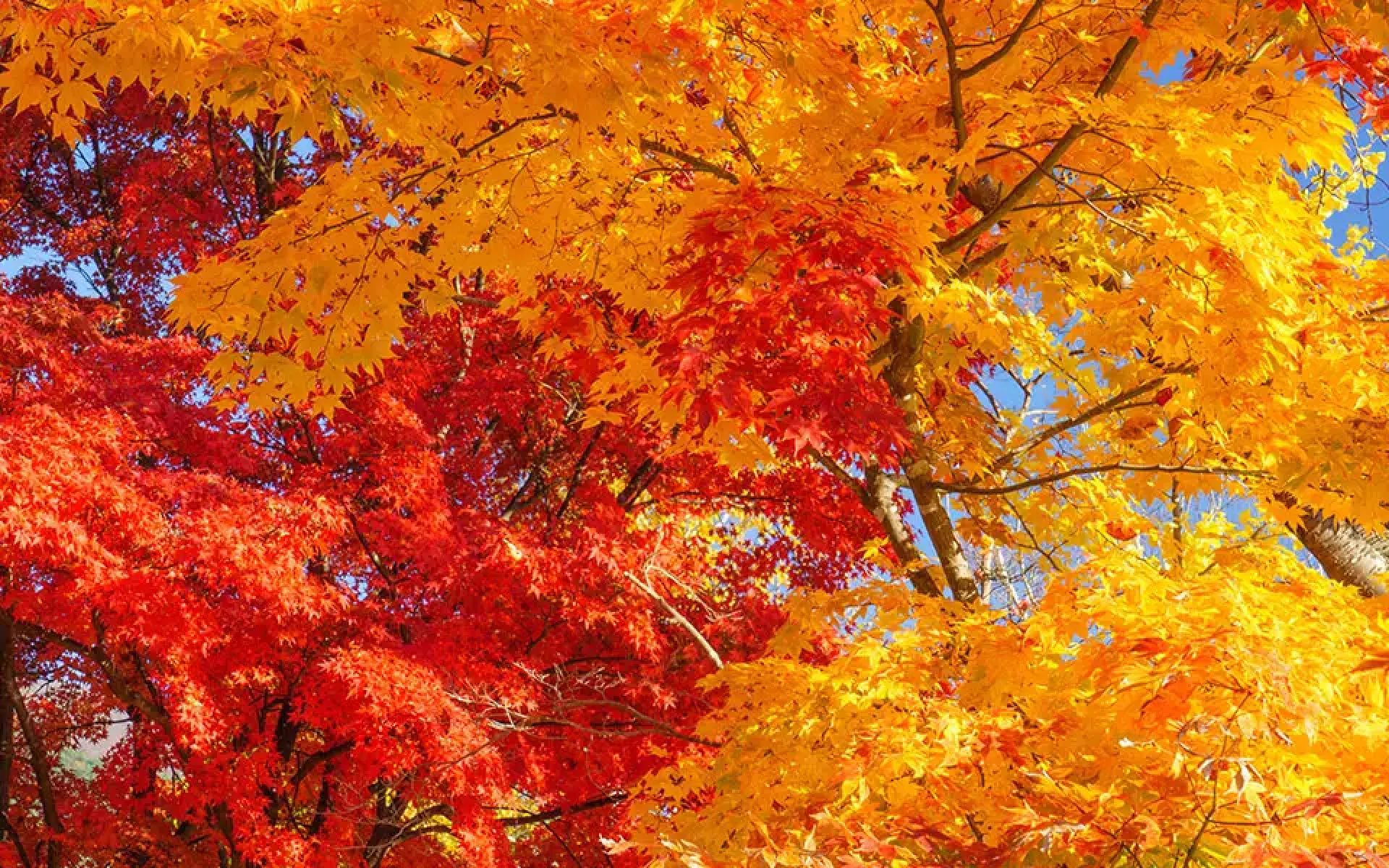
Take a walk around your property and notice where the landscape looks terrific and where it seems flat. Do you have enough red, orange, yellow, burgundy, and evergreen foliage? Are there areas that lose all visual interest once summer flowers disappear?
Photograph plants and combinations that catch your eye around Bucks County. A tree that looks spectacular this month may be exactly what is missing from your own landscape.
Fall color can come from far more than maples. Fothergilla, oakleaf hydrangea (Hydrangea quercifolia), witch-hazel, and many other trees and shrubs can extend the season beautifully.
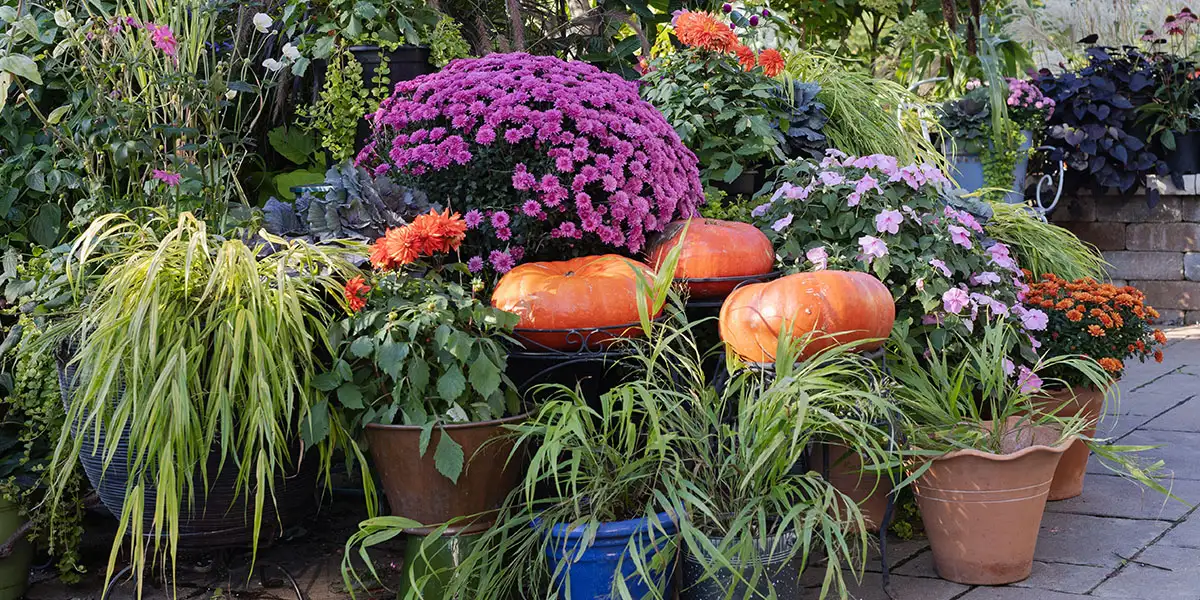
14. Refresh Containers and Entryways
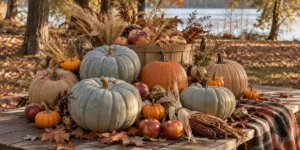
Garden mums, ornamental cabbage and kale, pansies, gourds, pumpkins, grasses, branches, and other seasonal accents make it easy to give porches and entrances an autumn update.
For a longer-lasting arrangement, combine living plants with natural seasonal elements. As temperatures change, individual components can be replaced without rebuilding the entire display.
It is also a wonderful month to visit Bountiful Acres as a family, enjoy the colors of the season, find inspiration for your home, and make the garden center part of your fall traditions. (Don’t miss the Pumpkin Patch and our Pumpkin Harvest Festival!)
15. Start Thinking About Winter and Holiday Projects
October has a way of disappearing quickly.
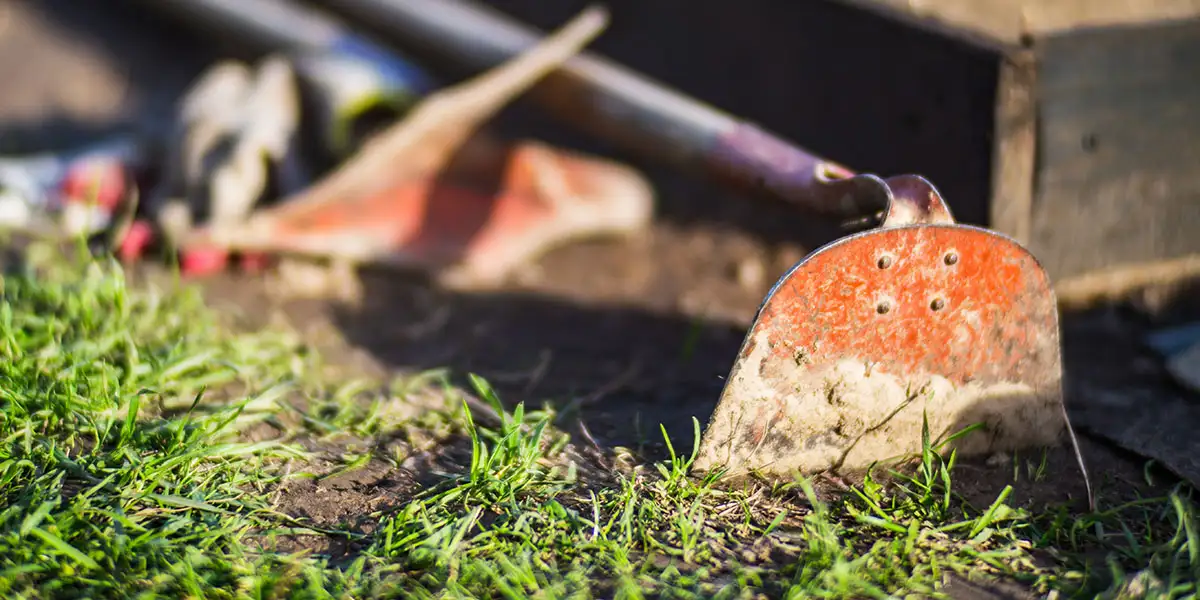
Before hoses need to be stored and frozen ground limits what you can accomplish, walk around the property and make a winter preparation list. Clean and sharpen garden tools, inspect outdoor faucets and irrigation equipment, put away items that should not remain exposed to winter weather, and identify landscape projects you want completed before next spring.
If professional landscape work is on your wish list, fall is also a good time to start the conversation. Bountiful Acres offers complete landscaping services, from helping solve individual problem areas to transforming an entire property.
And while the holidays may still seem a little way off, October is a smart time to think about holiday lighting. Planning ahead can make the transition from autumn decorating to the holiday season much easier.

Make the Most of October in Bucks County
October is not the end of the gardening season. In many ways, it is the beginning of next year’s garden.
Plant a tree. Tuck in spring bulbs. Give newly planted shrubs a deep drink. Save some leaves for the garden, leave a few seed heads for the birds, and take note of the fall colors you would like to see more of next year.
A little thoughtful work now can protect your plants through winter and give your landscape a stronger start when spring returns.
Need plants, bulbs, seasonal color, or advice for your October projects? Stop by Bountiful Acres. Our knowledgeable, patient, and friendly team can help you choose exceptional plants for your property and answer your questions about planting and fall garden care. Whether you’re refreshing one container or planning a complete landscape, we’re here to help you enjoy your outdoor spaces in every season.