November brings a special kind of beauty to Bucks County. The brilliant colors of October gradually give way to bare branches, colorful berries, ornamental grasses, and the deep greens of evergreens. The mornings are crisp, the days are shorter, and our gardens are preparing for their long winter rest.
But don’t let the quieter appearance fool you. There’s still plenty happening in your yard and garden! Beneath the fallen leaves, roots continue growing when soil temperatures permit, spring-flowering bulbs are getting established, and many plants are making remarkable adjustments to survive the cold months ahead.
November is also an important time to finish seasonal garden chores, protect vulnerable plants, and get a head start on next spring. Whether you’re putting your vegetable garden to bed, planting the last bulbs of the season, or simply enjoying the changing landscape, a little attention now can make a big difference later.
Here’s your November Yard and Garden To-Do List for Bucks County, along with a few fascinating things to notice in your landscape this month.
- Finish Planting Spring-Flowering Bulbs
- Keep Watering Newly Planted Trees and Shrubs
- Plant Trees and Shrubs While Conditions Still Allow
- Put Fallen Leaves to Work
- Protect Plants From Hungry Deer and Other Wildlife
- Leave Some Perennials Standing for Winter
- Be Careful With November Pruning
- Prepare Your Vegetable Garden for Winter
- Plant Garlic for Next Summer’s Harvest
- Give Your Lawn Some Final Attention
- Add Mulch, But Keep It Away From Trunks
- Winterize Containers, Hoses, and Garden Equipment
- What’s Happening in Your Bucks County Landscape This November?
- Plan for Winter Interest and Holiday Beauty
- Why You Should Visit Bountiful Acres for Information and Inspiration!
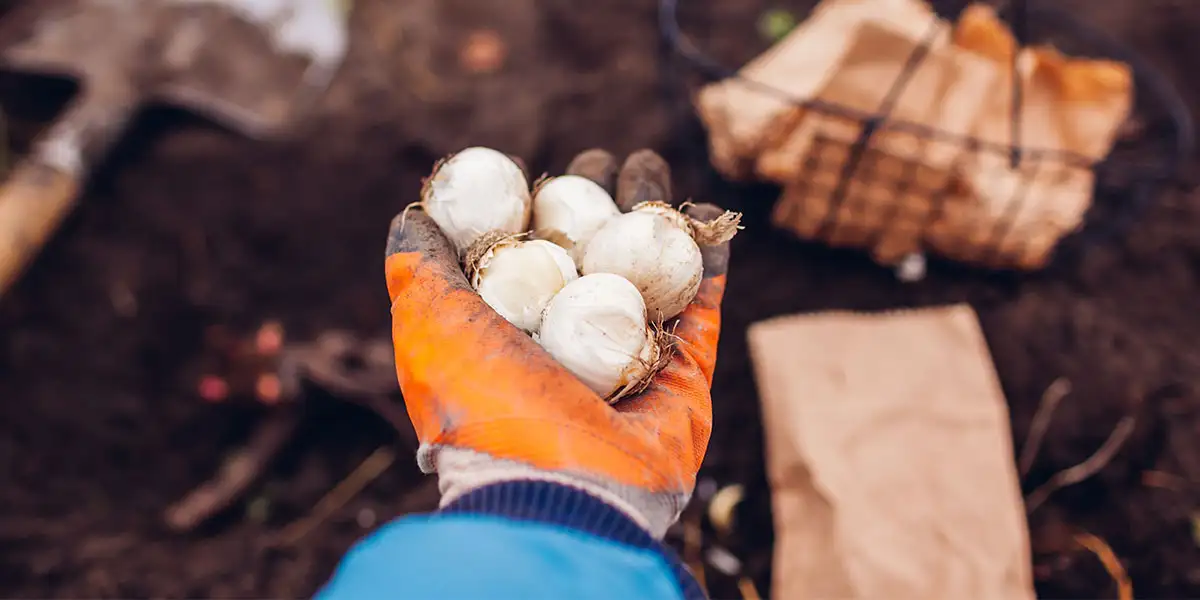
1. Finish Planting Spring-Flowering Bulbs
If you haven’t planted your spring-flowering bulbs yet, November may offer one final opportunity!
Tulips, daffodils, crocuses, and ornamental alliums (pictured) need a period of winter chilling to bloom beautifully in spring.
Plant bulbs while the soil is still workable and before it freezes. As a general rule, plant them at a depth approximately two to three times their height, following the recommendations for each variety.
For a more natural appearance, plant bulbs in groups or drifts rather than straight rows.
Bountiful Tip: If deer regularly visit your property, consider planting daffodils and ornamental alliums. They’re generally less appealing to deer than tulips.
Interesting Tidbit: Even though you won’t see flowers until spring, the bulbs begin developing roots during fall. They’re not simply sleeping underground!
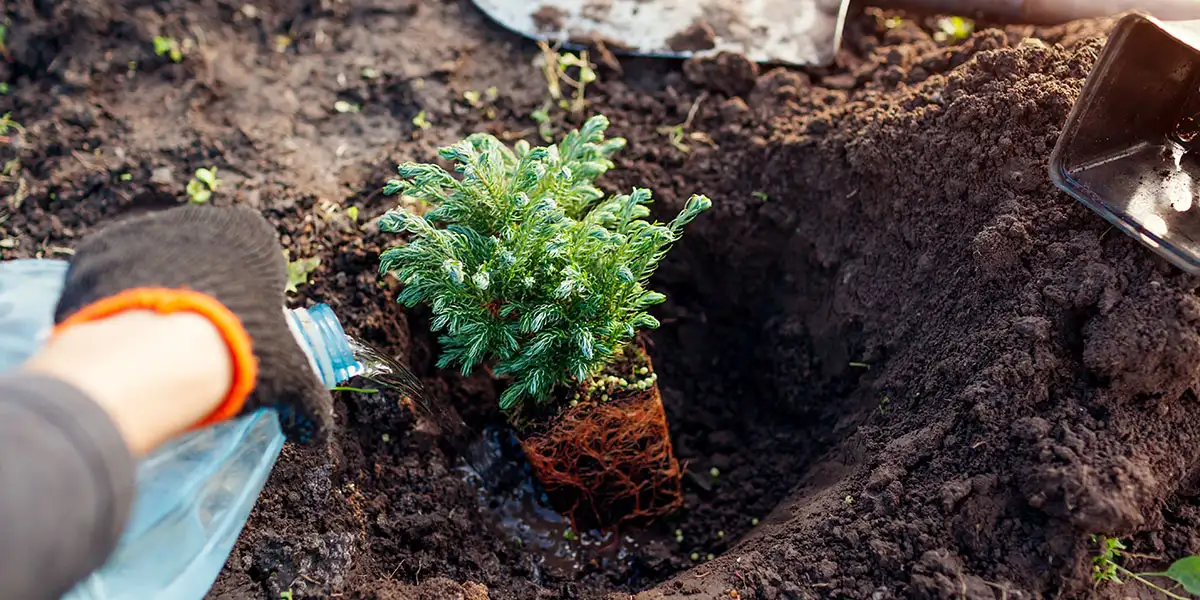
2. Keep Watering Newly Planted Trees and Shrubs
One of the most overlooked November garden tasks is watering.
It’s easy to assume plants don’t need much water once their leaves fall, but newly planted trees and shrubs still need moisture as they establish their root systems.
This is especially important for evergreens, including arborvitae, boxwoods, rhododendrons, and hollies.
Unlike deciduous plants, evergreens retain foliage that can lose moisture during winter, even when the ground is frozen and roots cannot replace that water.
Check soil moisture regularly and water deeply when necessary, particularly after extended periods without rain. Continue until the ground freezes, provided temperatures are above freezing.
Bountiful Tip: A thorough watering before an extended freeze can help protect vulnerable evergreens from winter drying, sometimes called winter burn.

3. Plant Trees and Shrubs While Conditions Still Allow
November can still provide planting opportunities in Bucks County, particularly during mild weather when the soil remains workable.
The cooler temperatures reduce heat stress, and deciduous plants require less water after dropping their leaves. However, late-season planting gives roots less time to establish before winter.
Choose cold-hardy plants suited to your location, and pay particular attention to watering and mulching. Less-hardy species and broadleaf evergreens in exposed locations are often better planted earlier in fall or in spring.
When planting a tree, make sure its root flare, where the trunk widens into the roots, remains visible at soil level.
At Bountiful Acres, we grow many of our own trees and shrubs, giving us an opportunity to focus on plant quality from the beginning. Our knowledgeable team can help you choose plants that fit your landscape and the season.
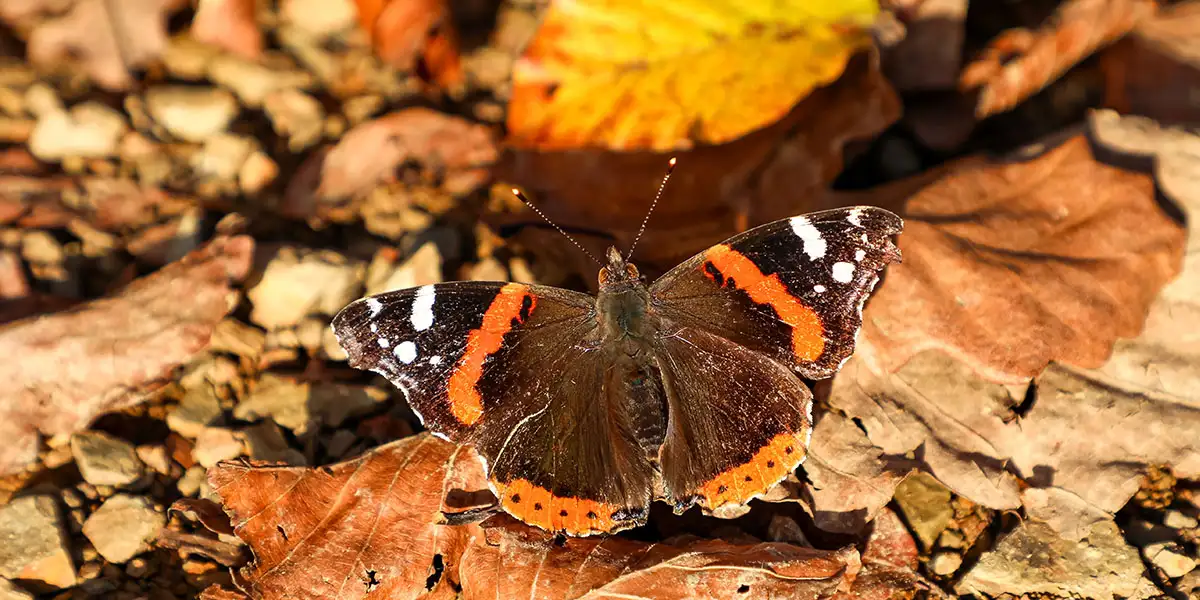
4. Put Fallen Leaves to Work
Those colorful leaves covering your lawn and garden beds are more valuable than you might think!
Instead of removing every leaf, consider using them to improve your landscape naturally.
A light layer of leaves in planting beds provides insulation, helps retain moisture, and creates habitat for beneficial insects. Many butterflies, moths, and other insects spend winter hidden in leaf litter.
Leaves can also be shredded with a lawn mower and left in modest amounts on the lawn to break down and return organic matter to the soil.
Just avoid allowing thick, matted layers to smother your grass or bury the crowns of delicate plants.
Interesting Tidbit: Some butterflies and moths survive winter as eggs, caterpillars, chrysalides, or cocoons tucked among fallen leaves. Leaving some leaves in your planting beds can help next year’s pollinators!
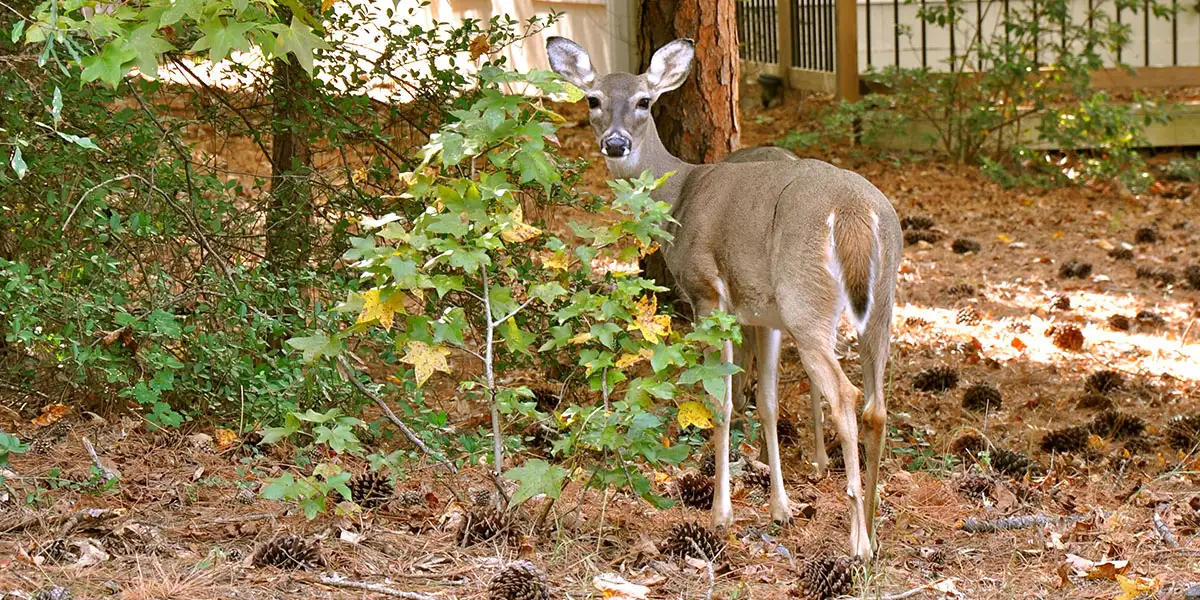
5. Protect Plants From Hungry Deer and Other Wildlife
As natural food sources become less plentiful, deer may turn their attention to landscape plants.
Young trees, arborvitae, yews, and certain broadleaf evergreens can be especially vulnerable.
November is a good time to install protective fencing around valuable plants before winter feeding increases.
Protect young tree trunks from rubbing deer antlers, as well as rabbits and voles that may chew bark near ground level.
Repellents may provide additional protection when used according to label directions, although their effectiveness varies.
Bountiful Tip: Protecting newly planted trees is especially important. Damage to the bark around an entire trunk can interrupt the movement of nutrients and seriously injure or kill the tree.
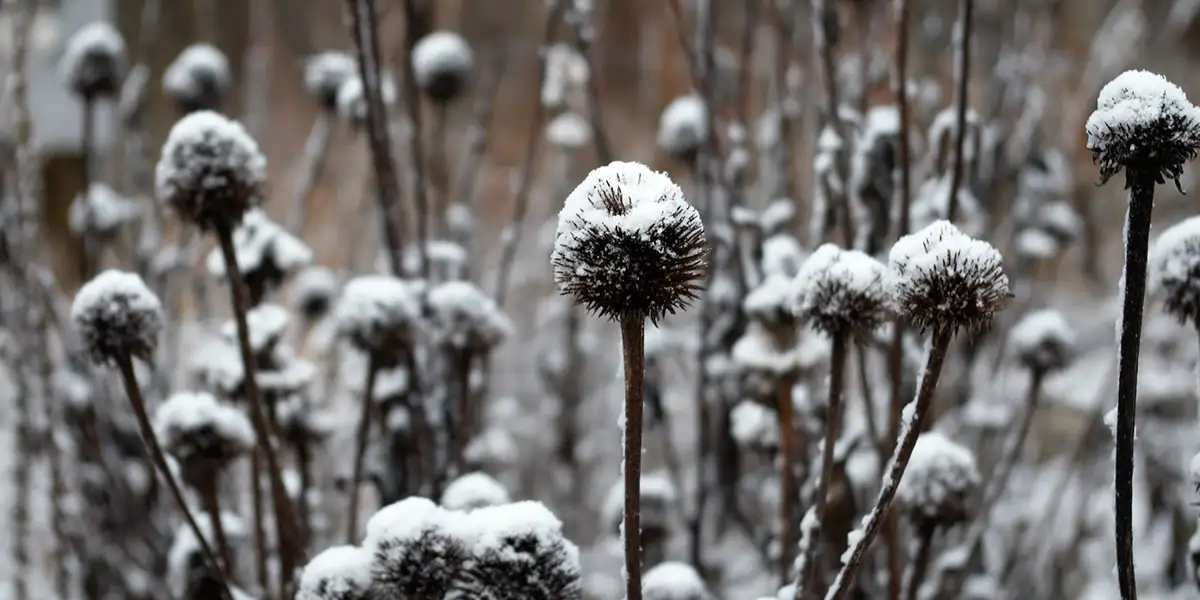
6. Leave Some Perennials Standing for Winter
Your garden doesn’t need to be completely cleaned out before winter.
In fact, leaving selected perennials standing provides food, shelter, texture, and beauty during the colder months.
Consider leaving the seed heads of:
- Purple coneflower (Echinacea purpurea) – pictured
- Black-eyed Susan (Rudbeckia fulgida)
- Autumn stonecrop (Hylotelephium spp.)
- Anise hyssop (Agastache foeniculum)
- Little bluestem (Schizachyrium scoparium)
Birds may enjoy the seeds, while hollow stems and plant debris can provide valuable overwintering habitat for insects.
Remove diseased foliage and affected plant debris, particularly from plants that experienced serious fungal problems during the growing season.
Bountiful Tip: Ornamental grasses are especially beautiful in winter. Their graceful stems and seed heads capture frost, move with the wind, and bring life to an otherwise quiet landscape.
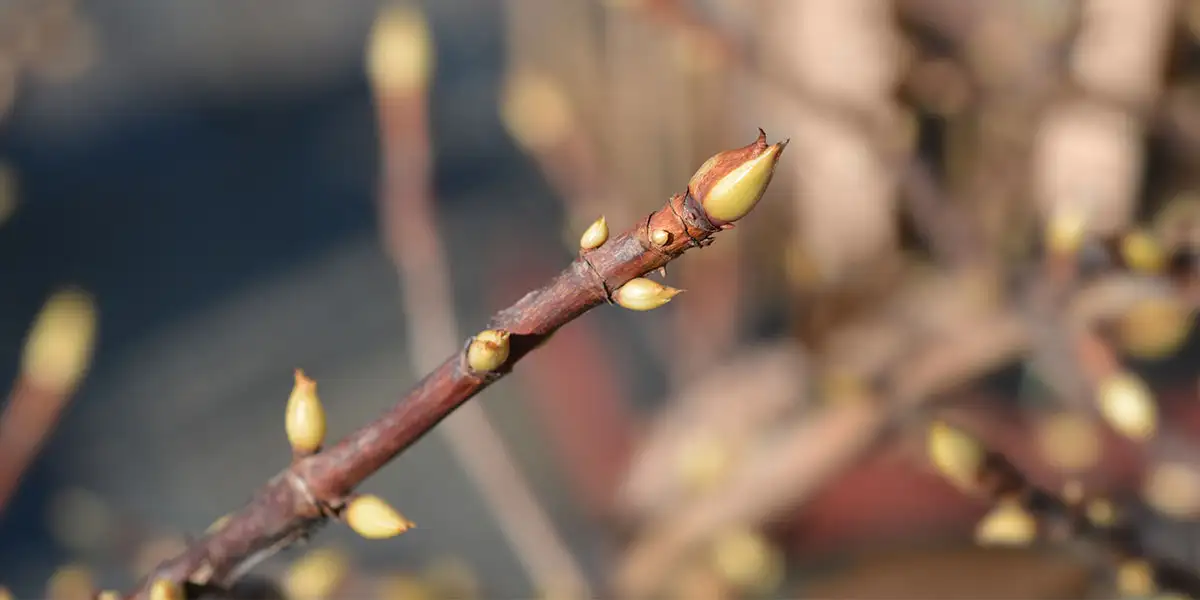
7. Be Careful With November Pruning
Resist the urge to give every shrub a major haircut before winter!
Many spring-flowering shrubs already have their flower buds in place for next year.
Lilacs, azaleas, and many bigleaf hydrangeas (Hydrangea macrophylla) bloom primarily on older growth. Pruning them now can remove next spring’s or summer’s flowers. (Climbing hydrangeas, pictured, also bloom on older growth.)
For most healthy shrubs, postpone major pruning until the appropriate season.
It’s fine to remove broken, dead, or hazardous branches when necessary, but avoid unnecessary heavy pruning.
Interesting Tidbit: Take a close look at the stems of a bigleaf hydrangea in November. Many of those plump buds already contain the beginnings of next year’s flowers!

8. Prepare Your Vegetable Garden for Winter
With the growing season winding down, November is a great time to tidy vegetable beds and prepare the soil for spring.
Remove spent vegetable plants, weeds, fallen fruit, and diseased material. Healthy plant debris can be composted, while diseased material should be disposed of appropriately.
Spread finished compost over empty garden beds to add organic matter and help improve soil structure.
A covering of shredded leaves or clean straw can protect bare soil from erosion during winter storms.
If you have cool-season vegetables still growing, row covers may help extend their harvest through periods of light frost.
Bountiful Tip: Avoid working soil when it’s very wet. Digging or tilling soggy soil can cause compaction and damage its structure.
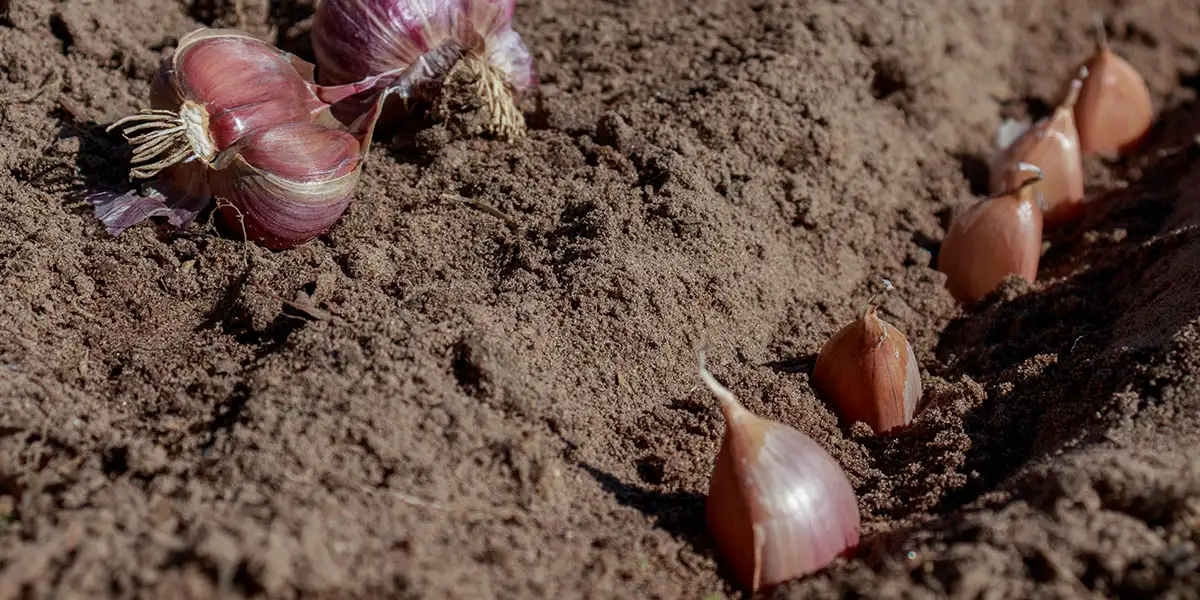
9. Don’t Forget to Plant Garlic for Next Summer’s Harvest
If you enjoy growing your own food, garlic (Allium sativum) is a rewarding fall planting project.
In Bucks County, garlic is ideally planted in October, but early November may still work if the ground remains unfrozen and there’s enough time for roots to develop.
- Choose healthy seed garlic suited to our climate. Separate the bulbs into individual cloves shortly before planting, leaving their papery coverings intact.
- Plant cloves pointed-end up, approximately two inches deep and four to eight inches apart, in a sunny location with well-drained soil.
- Cover the bed with several inches of clean straw or shredded leaves.
Interesting Tidbit: Garlic uses the cool months to establish roots. When warmer weather returns, it resumes active growth and eventually produces bulbs that are typically harvested in early to midsummer.
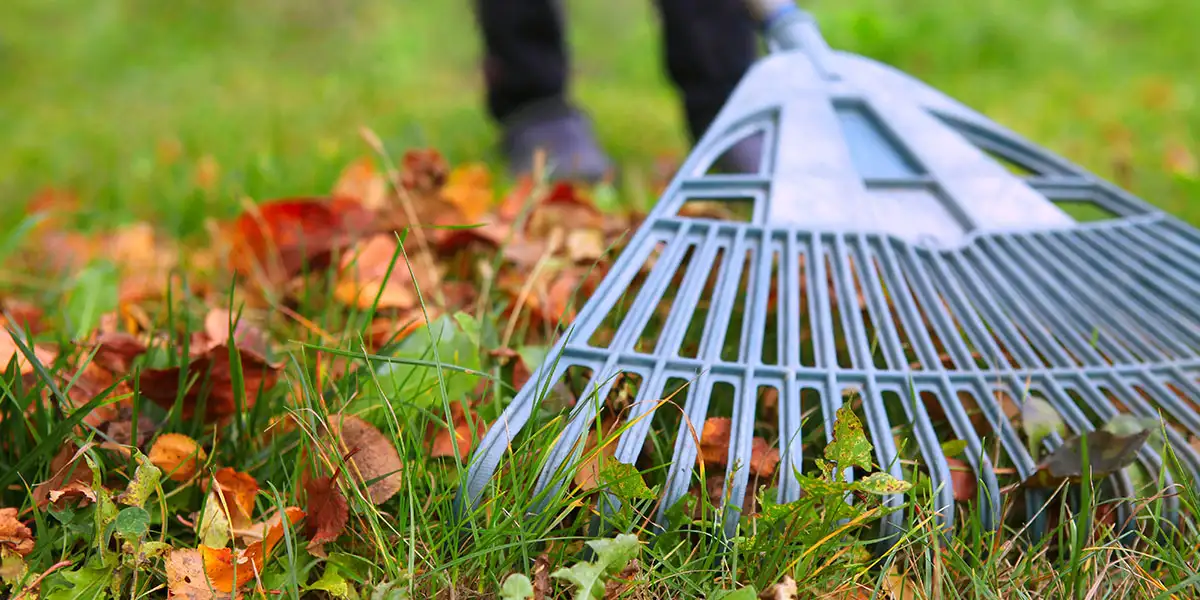
10. Give Your Lawn Some Final Attention
November is the time for a few last lawn-care tasks before winter.
Continue mowing cool-season turfgrass as needed while it’s actively growing, maintaining the recommended height for your grass type, generally around 2.5 to 3.5 inches for many home lawns.
Remove excessive fallen leaves or mulch them finely so sunlight and air can still reach the grass.
Avoid heavy traffic on frost-covered or frozen lawns, which can damage grass blades.
If you’re considering a late-season fertilizer application, follow a soil test, local requirements, and the applicable product recommendations. Avoid applying fertilizer to frozen ground or before heavy rain.
Bountiful Tip: November is also an excellent time to inspect your lawn for low spots, drainage problems, and areas of thinning grass. Make notes now so you can address them at the right time next year.
11. Add Mulch, but Keep It Away From Trunks
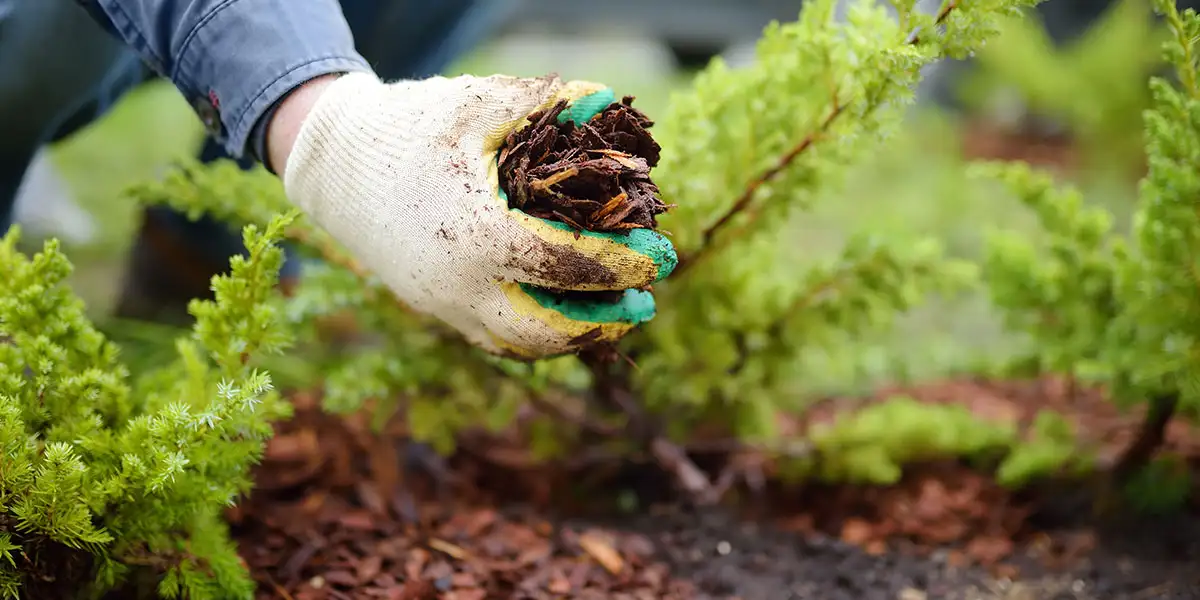
A protective layer of mulch helps moderate soil temperatures, retain moisture, and reduce the repeated freezing and thawing that can disturb plant roots.
Apply approximately two to three inches of organic mulch around trees and shrubs, adjusting for any mulch already present.
Keep mulch several inches away from trunks and woody stems. In other words, avoid creating mulch volcanoes! Piling mulch directly against tree trunks encourages moisture problems, decay, and potentially damaging root growth.
For some newly planted or frost-sensitive perennials, additional winter protection may be appropriate after the soil begins to freeze.
12. Winterize Containers, Hoses, and Garden Equipment
Before freezing temperatures become routine, take a little time to prepare your outdoor equipment.
- Drain and disconnect hoses, empty watering cans, and winterize outdoor faucets and irrigation systems as appropriate.
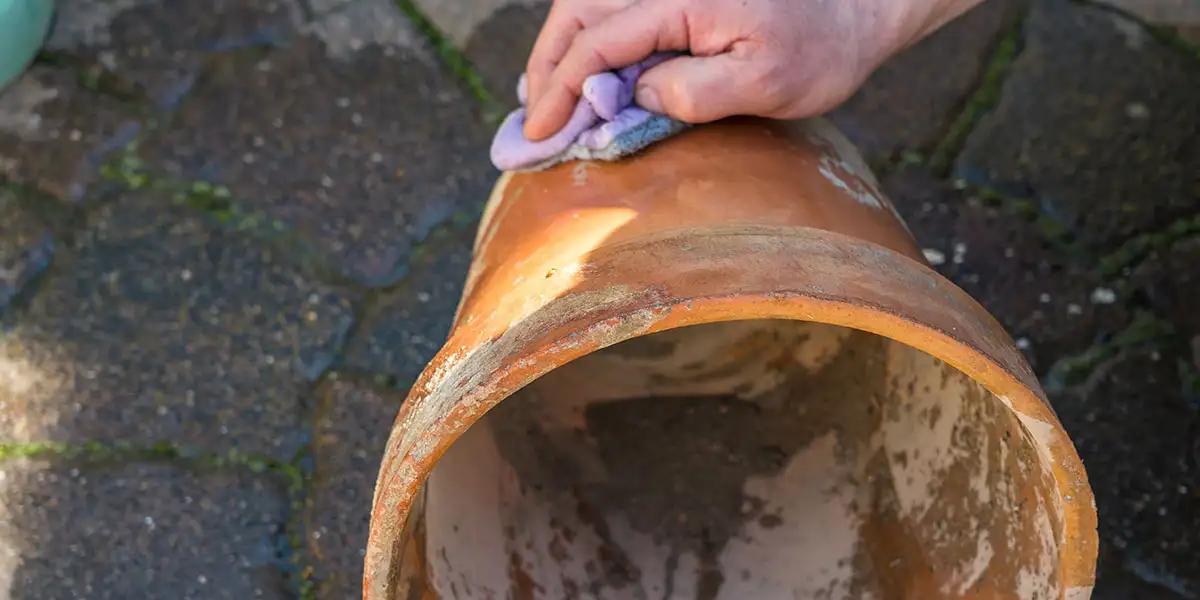
- Clean soil from shovels, pruners, and other tools. Sharpen cutting edges and apply a light protective coating to metal surfaces where recommended.
- Empty ceramic or terracotta planters that might crack when water freezes inside them, particularly if they aren’t rated for outdoor winter conditions.
- For planted containers, remember that these roots are more exposed to freezing temperatures than roots in the ground. Move vulnerable pots to protected locations or provide insulation.
This is also a great time to put away stakes, supports, and garden accessories you won’t need until spring.
13. Plan for Winter Interest and Holiday Beauty
Once the leaves have fallen, the structure of your landscape becomes much more noticeable.
Take a look around. Are there areas that seem empty? Could a colorful shrub, attractive evergreen, or ornamental tree provide more interest during the colder months?
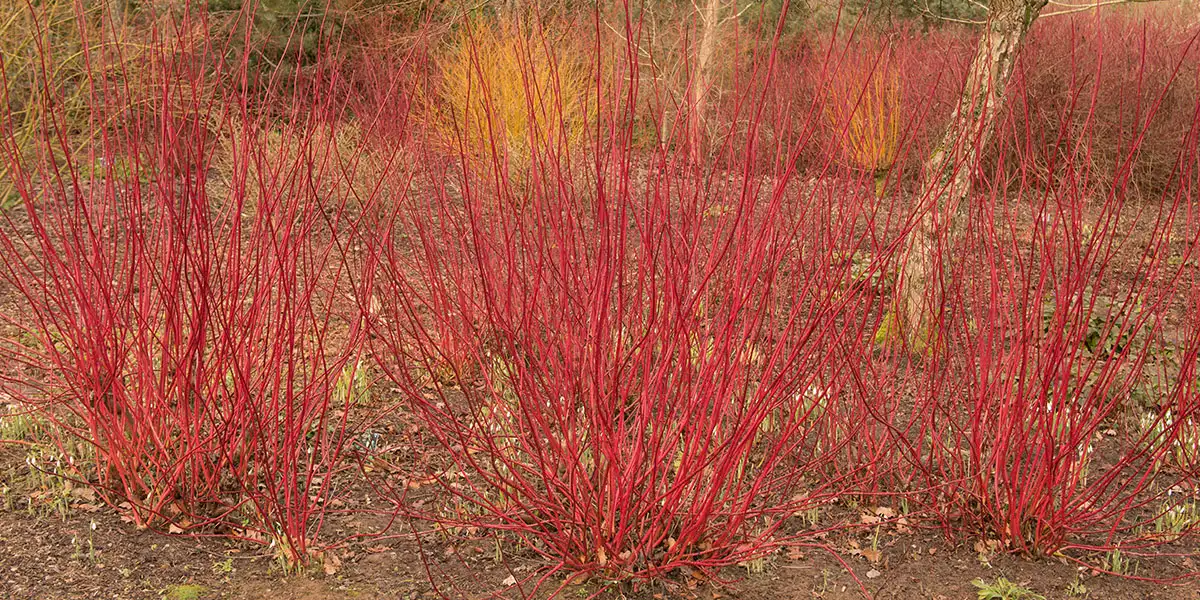
Consider plants such as red-osier dogwood (Cornus sericea) (pictured) for its colorful red stems, common winterberry (Ilex verticillata) for its brilliant fruits, or American holly (Ilex opaca) for evergreen foliage and seasonal color.
November is also the perfect time to think about holiday decorating.
Evergreen arrangements, festive porch containers, and thoughtfully placed holiday lights can transform your home and landscape as the days grow shorter.
Bountiful Acres offers professional holiday lighting services to help bring seasonal beauty to your property without the hassle of installing everything yourself.
Notice What Your Plants Are Doing in November
While garden chores are important, November is also a wonderful month to slow down and notice what plants are doing.
Some of the most interesting seasonal changes are happening right before our eyes.
Oaks and Beeches May Hold Onto Their Leaves
Have you noticed that some oak trees and American beeches (Fagus grandifolia) retain brown, papery leaves long after neighboring trees are bare?
This phenomenon is called marcescence.
It’s particularly noticeable on younger trees and lower branches. Rather than shedding all their leaves in fall, these trees may retain some until winter winds or emerging spring growth finally dislodge them.
Scientists continue to study the possible ecological advantages, including protection of young buds and discouraging browsing animals.
Winterberry Holly Is Becoming the Star of the Show
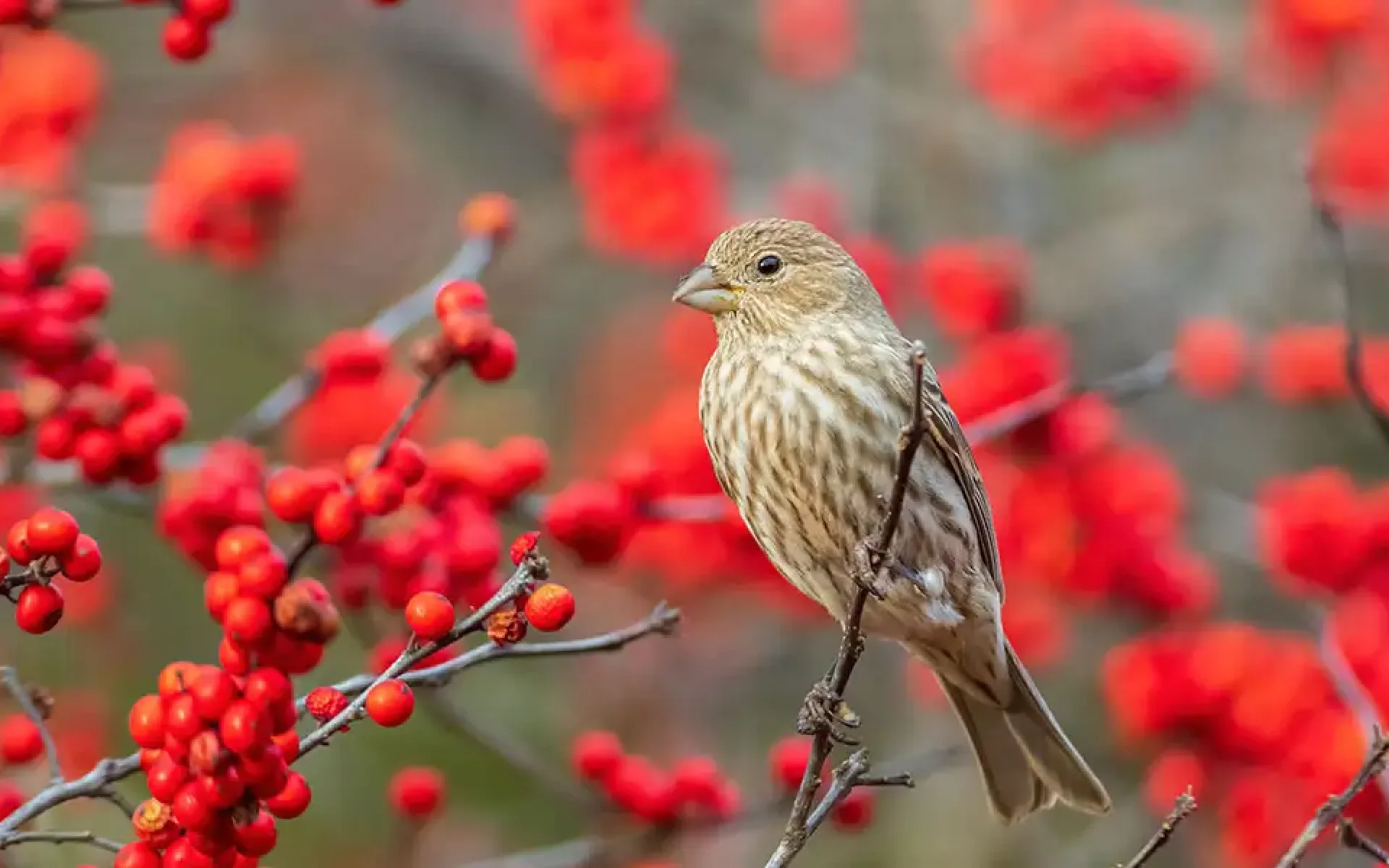
Common winterberry (Ilex verticillata) is one of the most beautiful native shrubs for late fall and winter.
As its leaves drop, clusters of brilliant red fruits become increasingly visible along its bare stems.
The colorful display can last into winter and provides food for birds.
One important detail: Winterberry plants are either male or female. Female plants need pollen from a compatible male plant blooming at the same time to produce berries.
If you’d like to add winterberry to your landscape, our team can help you choose the right planting combination.
Oakleaf Hydrangeas Are Showing Their Final Colors
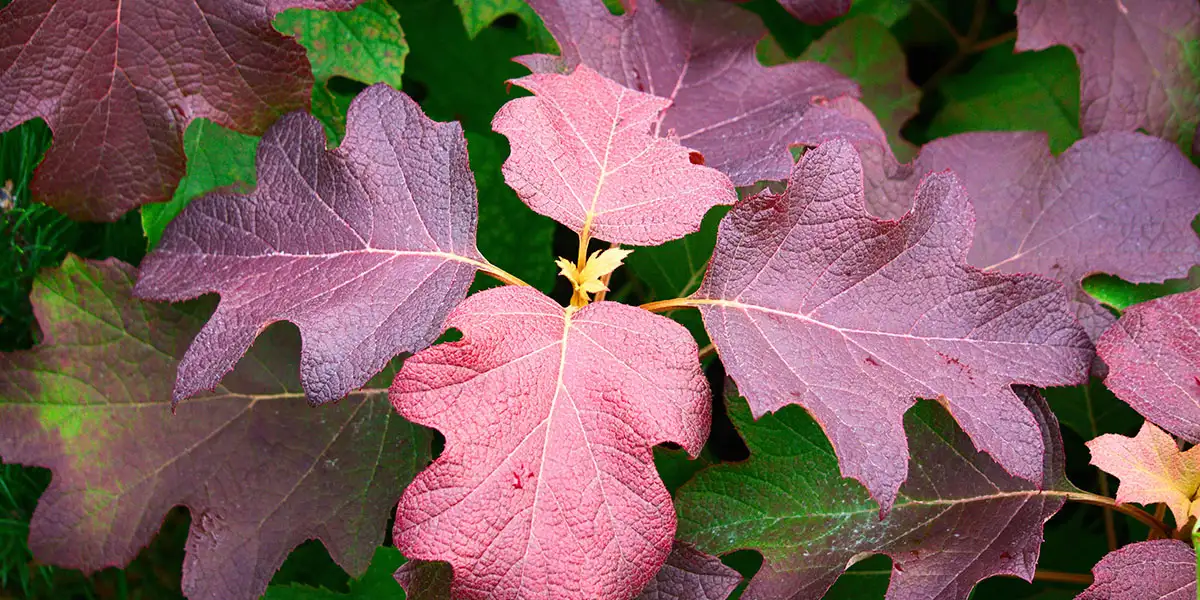
Oakleaf hydrangea (Hydrangea quercifolia) is especially appealing this time of year.
Its large, distinctive leaves (pictured) often develop shades of burgundy, crimson, and purple before falling. The dried flower clusters may remain attractive into winter, while peeling bark adds another layer of interest.
This native shrub proves that a plant can offer beauty in more than one season!
Common Witch Hazel May Still Be Blooming
Here’s a surprising November sight: flowers!
Common witch hazel (Hamamelis virginiana) is a native shrub or small tree that can bloom in late fall, sometimes while its yellow leaves are still hanging on.
Its unusual flowers have narrow, ribbonlike yellow petals that can curl during cold weather.
While many plants are shutting down for winter, common witch hazel may be offering one of the year’s final floral displays.
Evergreens Are Making Seasonal Adjustments
Not every yellow needle on an evergreen signals trouble.
Eastern white pines (Pinus strobus) and other conifers naturally shed some of their older, interior needles in fall.
The older needles may turn yellow or brown before dropping, while the newer growth at the branch tips remains green.
This is a normal part of the plant’s life cycle.
However, widespread browning of newer needles or entire branches may indicate drought stress, disease, or another problem worth investigating.
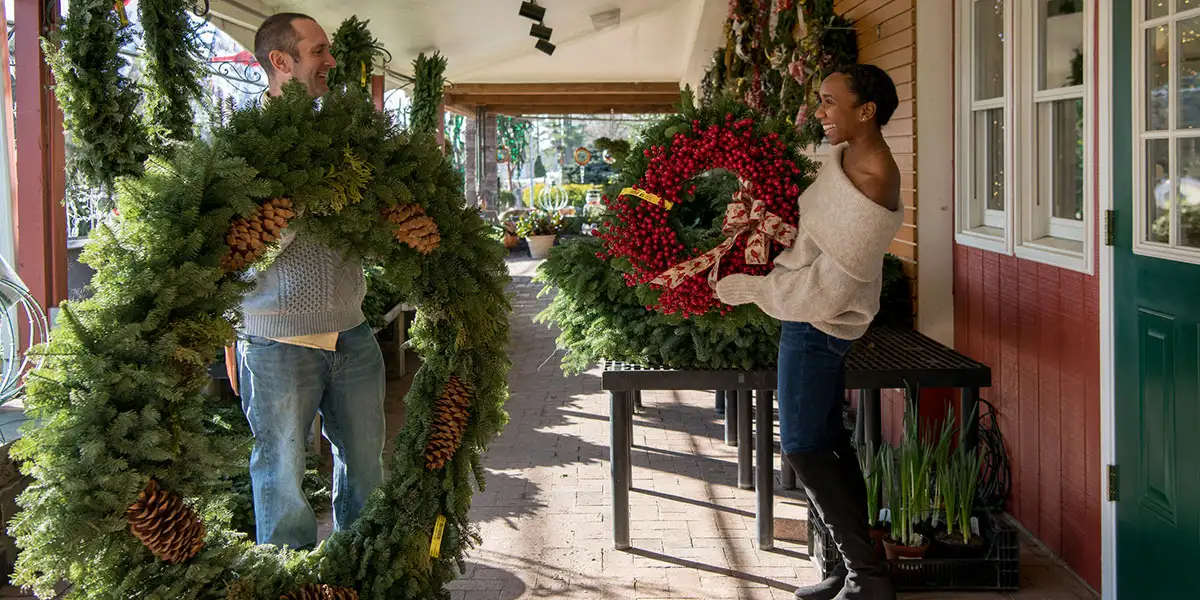
Visit Bountiful Acres This November!
Whether you’re finishing your fall planting, looking for a beautiful evergreen, planning improvements for next year’s landscape, or getting into the holiday spirit, we’re here to help.
At Bountiful Acres in Bucks County, you’ll find exceptional plant quality, a wonderful selection of trees and shrubs, knowledgeable and friendly staff, and plenty of seasonal inspiration.
We also offer complete landscaping services to help you create and maintain an outdoor space you’ll enjoy throughout the year, along with professional holiday lighting services for the festive season.
Stop by Bountiful Acres this November. We look forward to helping you enjoy the beauty of your yard and garden through every season!
Happy November gardening from all of us at Bountiful Acres!