Spring Veggies That Love Cool Weather
As soil temperatures begin to rise, early spring is the perfect time to refresh an existing vegetable garden or start a new one from scratch. Some vegetables actually prefer cooler conditions and can handle light frosts without a problem.
Great early-season choices include:
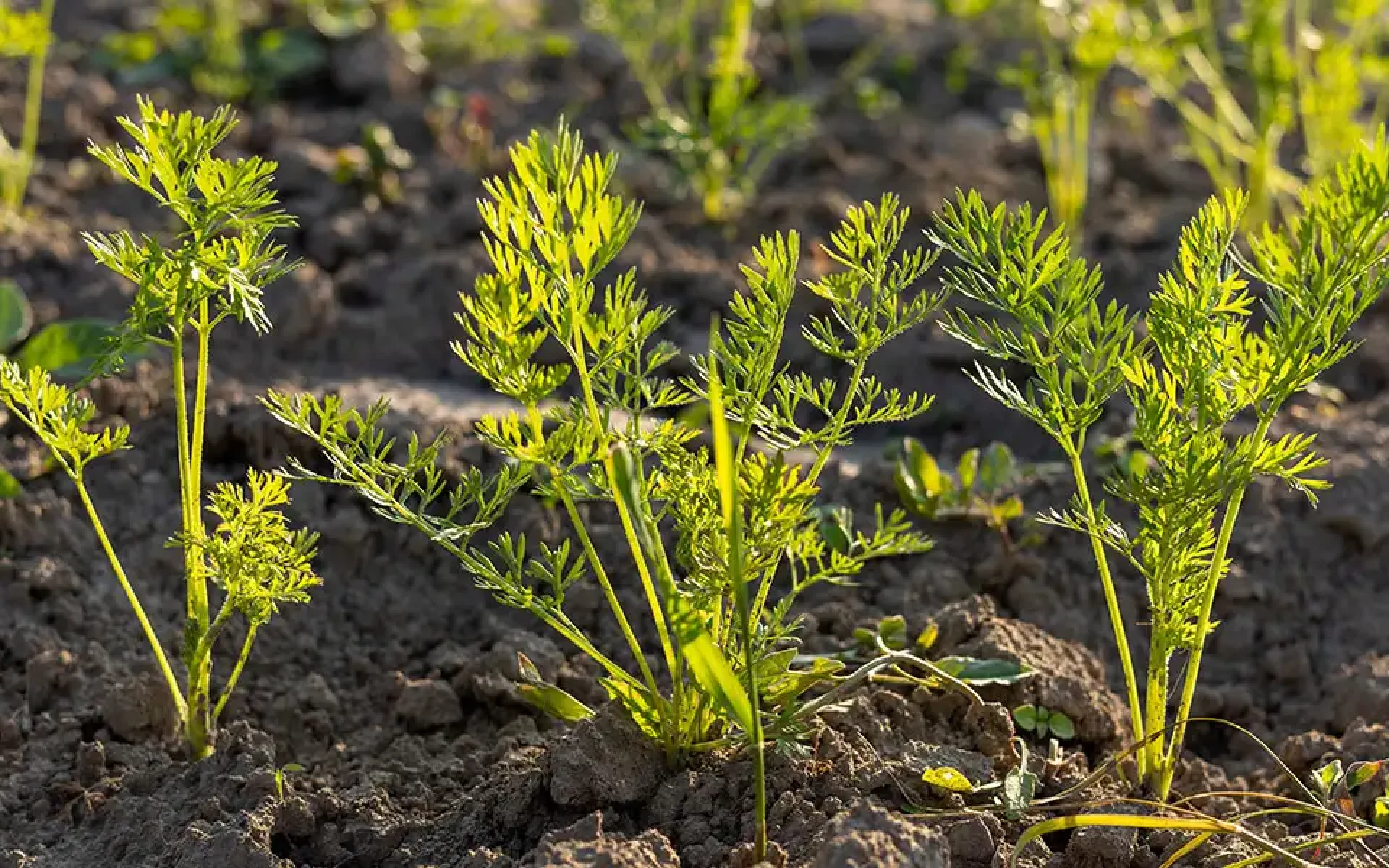
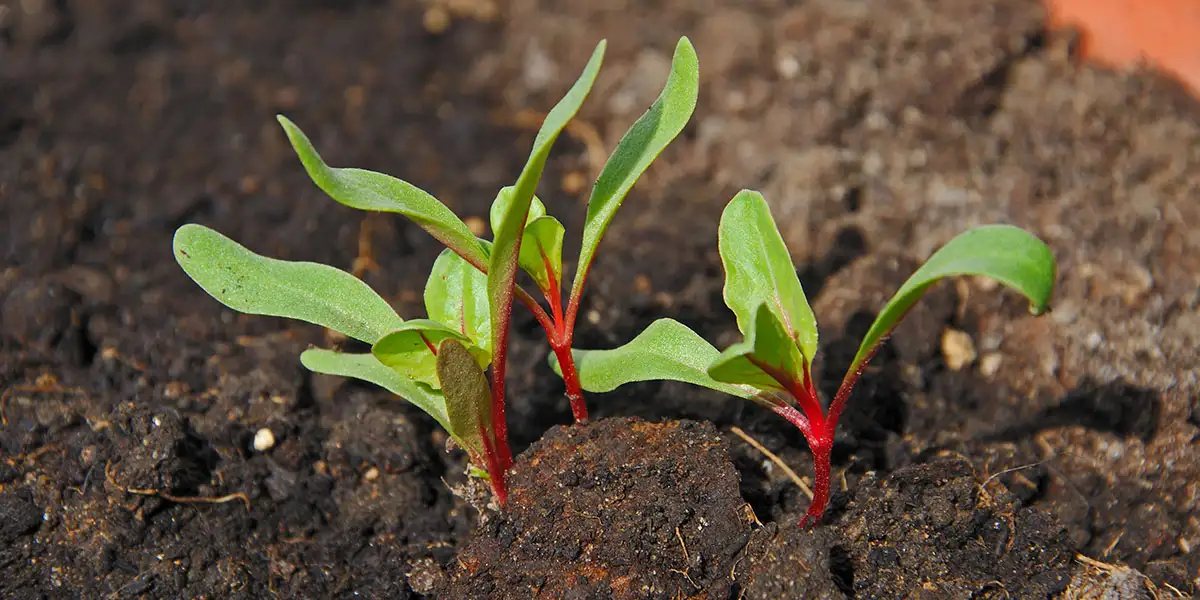
- Beets
- Carrots
- Potatoes
- Swiss chard
- Parsnips
These are considered semi-hardy crops, and since they grow underground, they are naturally protected from chilly nights. They also take longer to mature, so planting early means you will be harvesting sooner and enjoying fresh produce well into summer.
More tender vegetables, such as beans and corn, can be planted closer to your area’s last frost date. Just keep in mind that they need a little extra attention and protection if nighttime temperatures dip unexpectedly.
Trees, Shrubs, Perennials, and Early Annuals
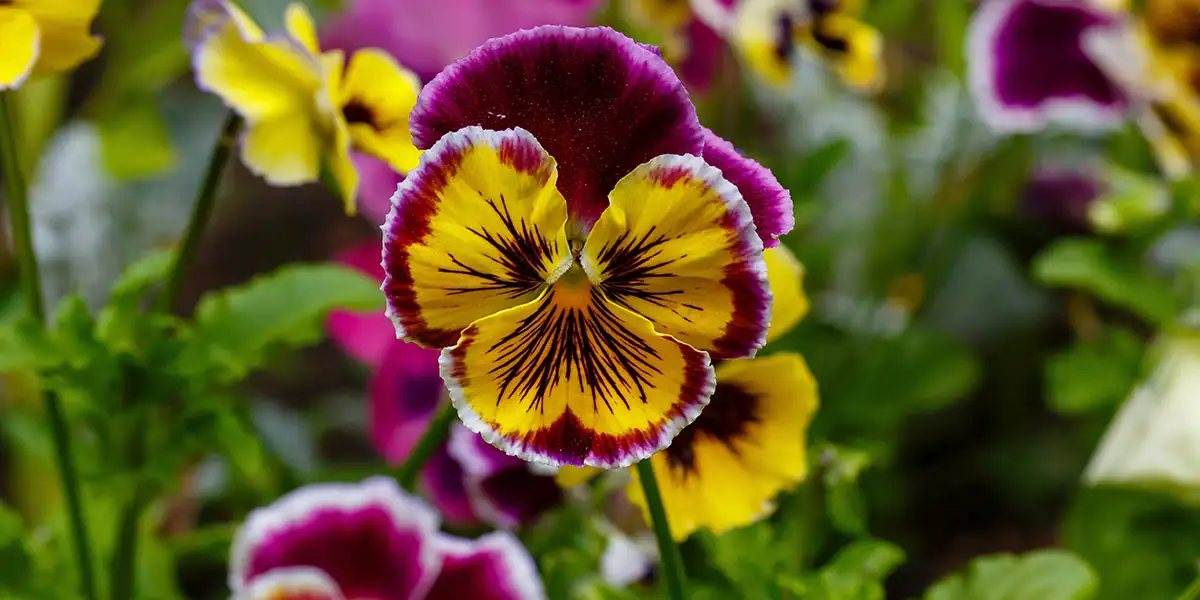
Vegetables are not the only things that can go into the ground in early spring. Trees, shrubs, perennials, and even some cold-tolerant annuals can be planted as long as soil conditions are right.
Spring rain is both a blessing and a challenge. While moisture is important, soil that is too wet can become compacted, which makes it harder for roots to establish. Before planting, grab a handful of soil and give it a squeeze. If it forms a sticky clump, it is still too wet. If it crumbles easily, you are good to go.
Because soil conditions vary based on drainage, shade, and recent rainfall, always check your own garden rather than relying on the calendar.
In the spring, Bountiful Acres is fully stocked with:
- Flowering annuals and perennials
- Trees and shrubs for structure and shade
- Plants suited for early spring planting
If you are not sure what works best together, our experienced team is happy to help you choose plants that fit your space, style, and goals.
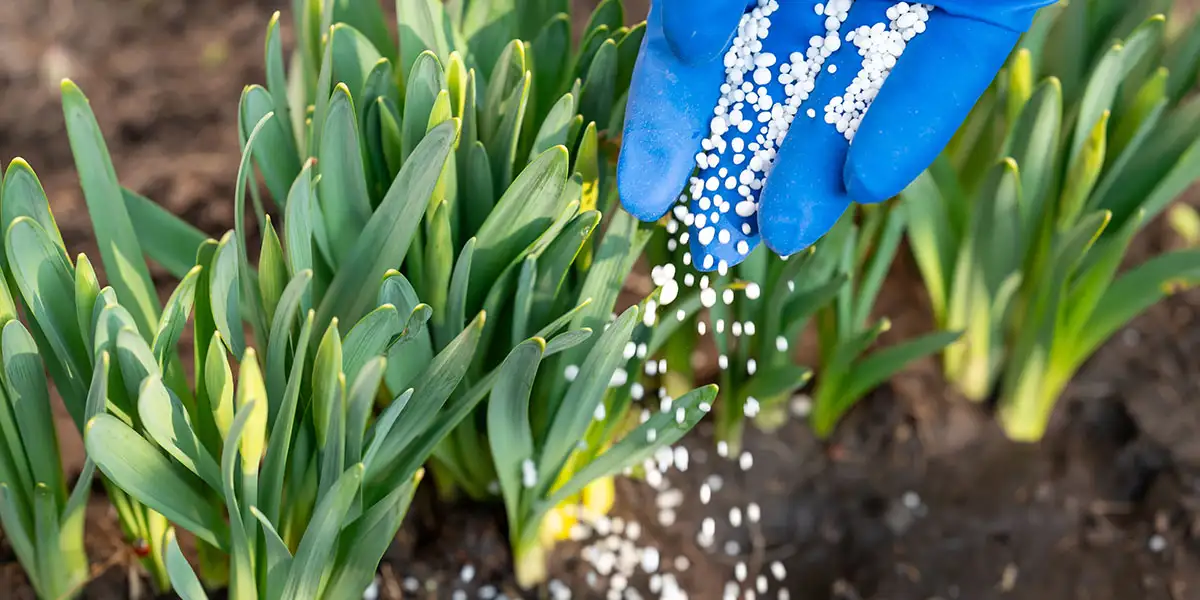
Feed Your Garden Early
Fertilizing is an important step in getting plants off to a strong start. Whether you prefer organic or processed fertilizers, both provide essential nutrients that support root development and healthy growth.
Vegetables, in particular, benefit from ongoing feeding throughout the growing season. Once they begin to sprout, they often appreciate an extra boost of nitrogen to support leafy growth.
A few fertilizer tips to keep in mind:
- Granular fertilizers release nutrients slowly over time
- Liquid fertilizers act faster, but need time to soak into the soil
- If using a liquid fertilizer, wait before planting so nutrients can be absorbed
Choosing the right fertilizer depends on what you are planting and how quickly you want results.
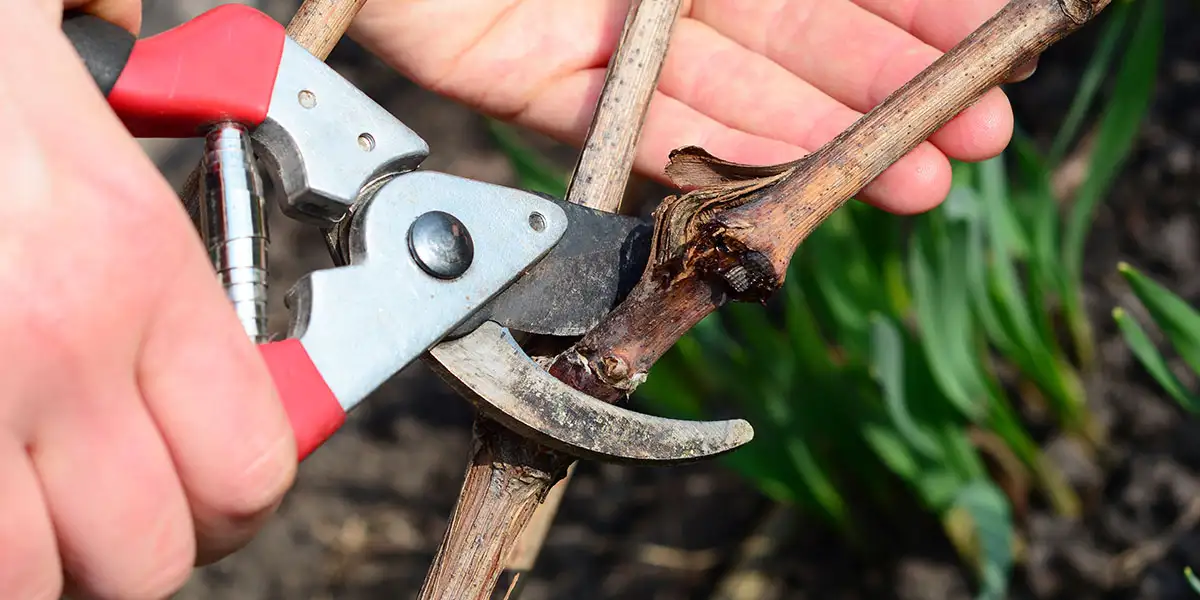
Prune While Plants Are Still Dormant
Early spring is an excellent time to tackle pruning, especially before plants leaf out. With bare branches, it is easier to spot anything that looks unhealthy.
Pruning now helps you:
- Remove dead, damaged, or diseased wood
- Prevent issues from spreading
- Encourage strong, healthy regrowth
Most homeowners can handle basic pruning with hand pruners or loppers. For large trees or heavy branches, it is best to call in professionals who have the right tools and experience.
One important note: Avoid pruning spring-flowering plants too early. Plants like magnolias and lilacs form their flower buds well before spring. Cutting them back now can mean fewer blooms later.

Protect Plants from Spring Surprises
Even after careful planning, early spring weather can throw a curveball. Cold nights and surprise frosts are always a possibility, so having a protection plan is smart.
Here are a few easy ways to shield young plants:
- Water: Moist soil holds heat better than dry soil and helps insulate plant cells
- Mulch: A two- to three-inch layer protects soil moisture and buffers temperature swings
- Cover: Use frost cloth, burlap, or tarps overnight, then remove them during the day so plants get sunlight and warmth
These simple steps can make the difference between stressed plants and thriving ones.
Ready to Get Growing?
Early spring is an exciting time in the garden, full of promise and possibility. With a little preparation and the right plant choices, you can set yourself up for a successful and enjoyable growing season.
If you would like guidance tailored to your yard, garden beds, or vegetable goals, stop by and chat with the friendly experts at Bountiful Acres. Our knowledgeable team loves helping gardeners of all experience levels grow with confidence.
Here’s to a happy, healthy spring in the garden!