June is when the Bucks County landscape starts to really feel like summer. The patio is back in regular use, containers are filling out, vegetable gardens are taking off, hydrangeas are budding, and evenings outside become part of the weekly routine. It’s also the month when gardens shift from spring cleanup to steady care.
Think of June as the month for keeping everything thriving. The big jobs are watering well, feeding wisely, supporting plants before they flop, staying ahead of pests, and making outdoor spaces comfortable for family, friends, and neighbors. Use this guide as a friendly checklist for a beautiful, healthy, gathering-ready yard.
- Water Deeply and Pay Attention to Rainfall
- Keep Containers Full, Fresh, and Colorful
- Add Summer Perennials for Pollinators and Long-Lasting Color
- Support, Deadhead, and Shape Perennials
- Give the Vegetable Garden a June Boost
- Mow High and Help the Lawn Handle the Heat
- Watch for June Pests Without Panicking
- Make Outdoor Living Areas More Comfortable
- Refresh Trees and Shrubs Without Overdoing It
- Plan One Upgrade That Makes Summer Easier
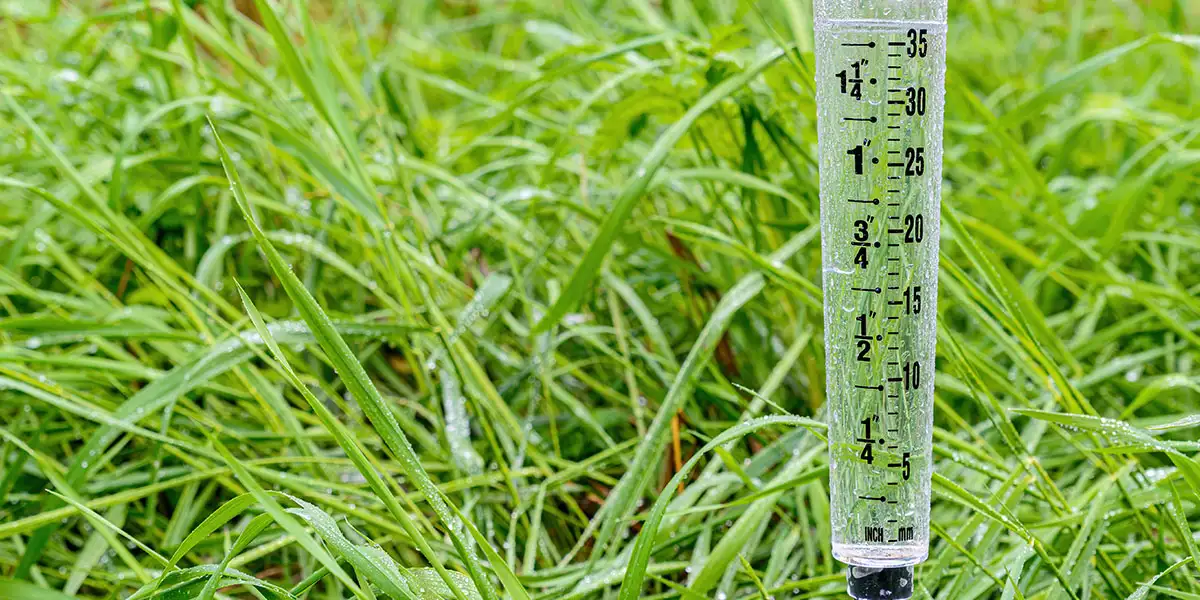
1. Water Deeply and Pay Attention to Rainfall
June can bring soaking storms, dry stretches, or both in the same week. Instead of guessing, let the soil and a rain gauge guide you.
To do:
Set out a rain gauge in an open area.
Water early in the morning when possible.
Check containers daily during hot, sunny weather.
Water new trees and shrubs slowly and deeply.
Add soaker hoses or drip irrigation to vegetable beds and new plantings.
Refresh thin mulch where soil is exposed.
For in-ground plants, one inch of rain per week is generally adequate, and a rain gauge is one of the simplest tools for knowing what your yard actually received. Newly planted trees need extra attention, needing about 10 gallons of water each week through slow, deep soaking around the root system or root ball.
Containers are different. A large pot in full sun may need water every day, especially if it’s filled with annuals such as million bells (Calibrachoa), lantana, angelonia, or petunia. Water until it drains from the bottom of the pot, then let the top inch of mix begin to dry before watering again.
A watering wand, hose-end timer, rain gauge, and moisture meter can all make June garden care easier. Soaker hoses are especially helpful because they water the soil instead of the leaves, which can reduce disease pressure in crowded beds.
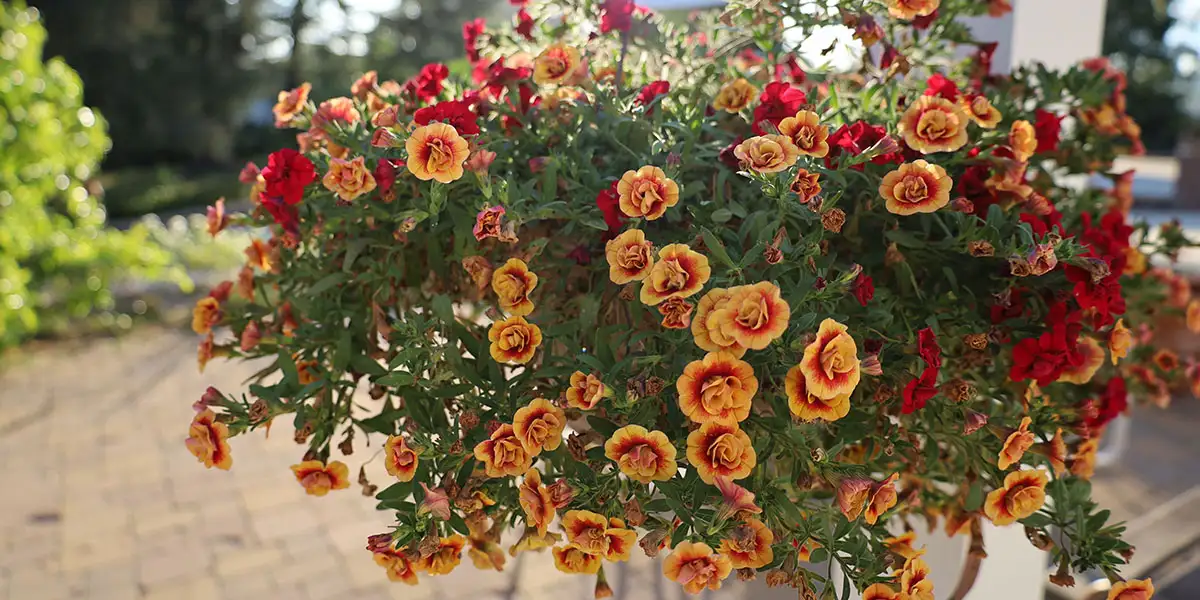
2. Keep Containers Full, Fresh, and Colorful
June containers should be settling in and starting to show their personality. A little care now keeps them looking lush for graduation parties, Father’s Day gatherings, pool days, and casual evenings on the deck.
To do:
Pinch back leggy annuals.
Remove faded flowers.
Fertilize regularly according to product directions.
Rotate containers if one side is stretching toward the sun.
Replace struggling plants before they spoil the whole display.
Group pots where they make the biggest visual impact.
For sunny spots, try combinations of zinnia, Egyptian starcluster (Pentas lanceolata), Madagascar periwinkle (Catharanthus roseus), French marigold (Tagetes patula), lantana, and sweet potato vine. These plants bring strong color and can handle bright summer conditions when watered properly.
For shade, freshen pots with begonia, wishbone flower (Torenia fournieri), coleus, and impatiens. Shade containers are wonderful near front doors, porches, covered patios, and seating areas where guests gather.
June is also a good time to tuck herbs into containers. Basil, rosemary, thyme, and mint are useful, fragrant, and fun to keep near an outdoor kitchen. Plant mint in its own pot, because it spreads aggressively in garden beds.
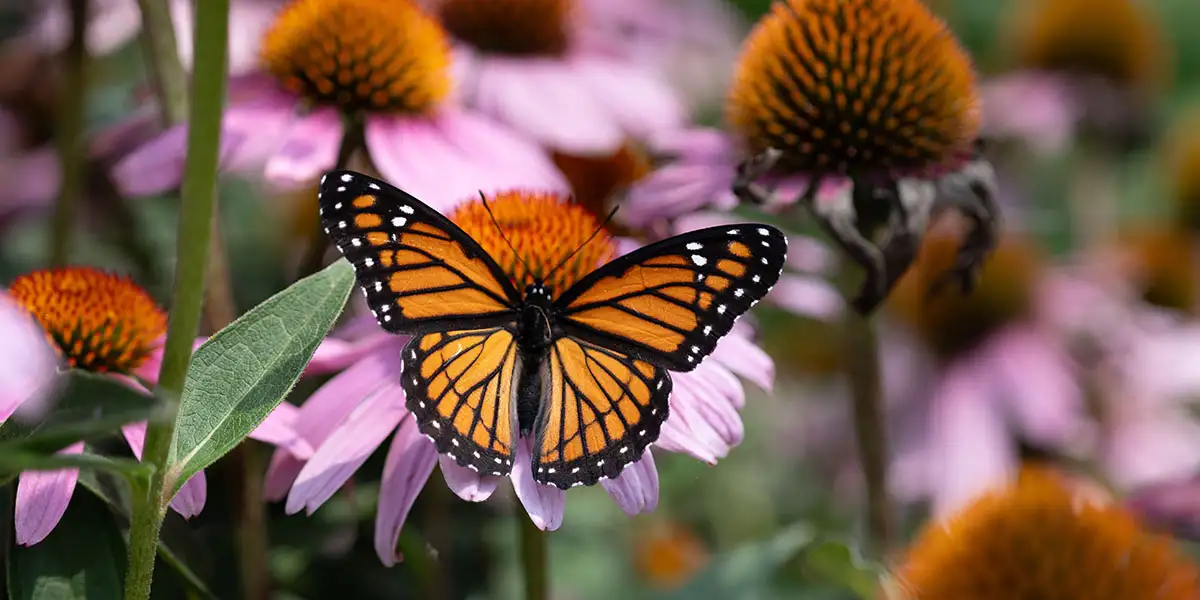
3. Add Summer Perennials for Pollinators and Long-Lasting Color
If your garden looks beautiful in spring, but quiet in summer, June is the perfect time to add plants that carry the landscape into July, August, and fall.
To do:
Look for gaps between spring bloomers and late-summer flowers.
Plant perennials in groups of three or more for stronger impact.
Choose a mix of flower shapes for bees, butterflies, and hummingbirds.
Include native plants where possible.
Water new perennials consistently while they establish.
Great June additions include:
- purple coneflower (Echinacea purpurea)
- orange coneflower (Rudbeckia fulgida)
- wild bergamot (Monarda fistulosa)
- butterfly weed (Asclepias tuberosa)
- dense blazing star (Liatris spicata)
- clustered mountain mint (Pycnanthemum muticum)
- sweet Joe Pye weed (Eutrochium purpureum)
For shrubs that add summer fragrance and wildlife value, consider:
- summersweet (Clethra alnifolia)
- Virginia sweetspire (Itea virginica)
- oakleaf hydrangea (Hydrangea quercifolia)
- smooth witherod (Viburnum nudum)
Summersweet is especially lovely near patios and walkways because its flowers are fragrant and attractive to pollinators.
4. Support, Deadhead, and Shape Perennials
By June, many perennials are growing quickly. A few minutes of attention can prevent flopping, crowding, and midseason messiness.
To do:
Add plant supports before tall perennials fall open.
Deadhead spent flowers to tidy plants and encourage more blooms.
Cut back spring bloomers that have finished flowering.
Remove yellowing foliage from early perennials.
Divide only plants that tolerate summer division, and water them well afterward.
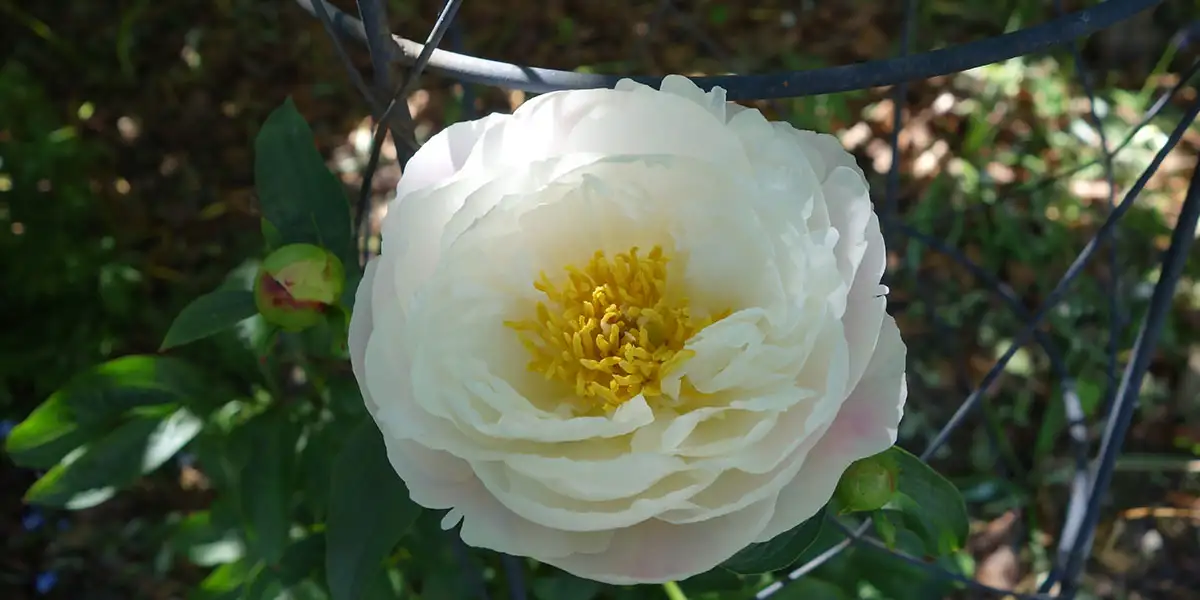
Install supports around plants that need them such as Chinese peony, delphinium, garden phlox, and coneflower before storms push them down. A grow-through ring, bamboo stakes, soft plant ties, or discreet metal supports can keep the bed looking natural.
Deadheading is especially helpful for roses, woodland sage, catmint (Nepeta × faassenii), threadleaf coreopsis, and Shasta daisy. For catmint and woodland sage, a light shearing after the first flush of flowers can encourage fresh growth and another round of bloom.
5. Give the Vegetable Garden a June Boost
The vegetable garden changes quickly in June. Cool-season crops may be finishing, while tomatoes, peppers, cucumbers, squash, beans, and basil begin to grow with real enthusiasm.
To do:
Finish planting warm-season crops.
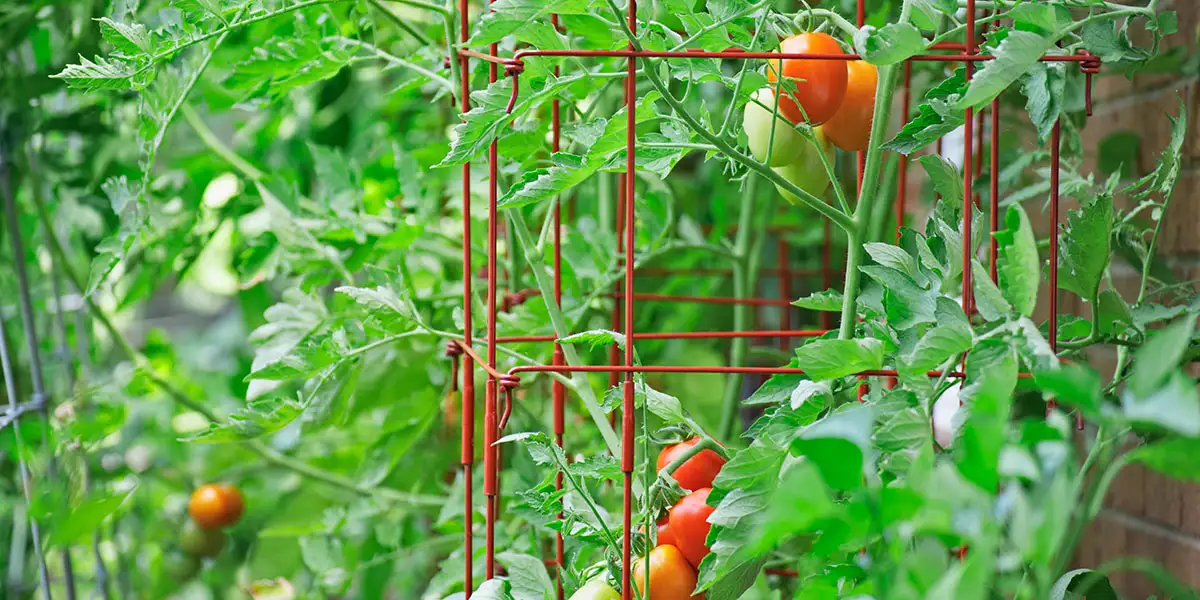
Stake or cage tomatoes before they get too large.
Direct sow beans, cucumbers, and summer squash.
Mulch around vegetables to conserve moisture.
Pinch basil often to keep it bushy.
Harvest lettuce, peas, radishes, and greens before heat affects quality.
Late May to early June is a good window for tomato seedlings in much of Pennsylvania, once air and soil temperatures are warm enough. In June, keep tomato, pepper, eggplant, cucumber, summer squash, and beans moving with steady moisture.
Tomatoes benefit from consistent watering. Big swings from dry soil to heavy watering can stress plants and contribute to fruit problems. Mulch with straw, shredded leaves, or another clean material to reduce weeds and keep soil from splashing onto leaves.
For herbs, pinch basil above a pair of leaves to encourage branching. Keep harvesting parsley, cilantro, and dill, but expect cilantro and dill to bolt faster as temperatures rise.

6. Mow High and Help the Lawn Handle the Heat
June lawn care is about building resilience. Cool-season lawns in our area can look great early in the month, but they may begin to slow down as summer heat arrives.
To do:
Mow regularly while grass is actively growing.
Keep mower blades sharp.
Raise mowing height for stronger roots and better weed shading.
Leave clippings on the lawn when they are not clumping.
Water deeply only when needed.
Save major seeding projects for early fall.
Keep your lawn height close to three inches to stimulate root growth and shade out weeds, and notes that mowing around three inches can also help deprive young crabgrass plants of the light they need.
Avoid scalping the lawn before a vacation or party. Cutting too short may look neat for a day, but it stresses the grass and can invite weeds. If your lawn has thin or struggling areas, make notes now, then plan for fall overseeding when conditions are better for cool-season turf establishment.
7. Watch for June Pests Without Panicking
June brings more insect activity, but not every bug is a problem. A healthy landscape includes pollinators, predators, decomposers, and plenty of harmless visitors.
To do:
Inspect the undersides of leaves once a week.
Look for aphids, mites, beetles, chewed foliage, and sticky residue.
Check roses, vegetables, fruit trees, and young shrubs closely.
Knock small pest populations off with water when appropriate.
Avoid spraying open flowers where pollinators are feeding.
Read product labels carefully before applying any pesticide.
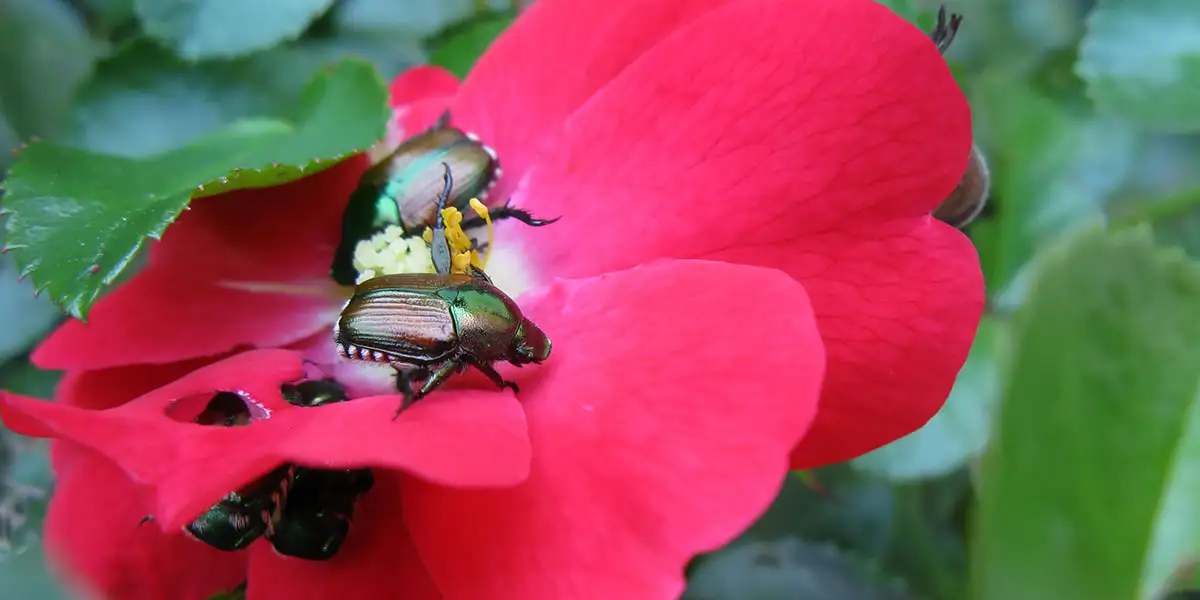
Japanese beetles often become noticeable around early summer. Their grubs feed on turfgrass roots during May and June, and mowing at a greater height increases turfgrass root depth and strength. Adult beetles may feed on roses (pictured), grapes, lindens, and other ornamentals. Hand-picking beetles into soapy water in the morning can help on smaller plantings.
Spotted lanternfly is also worth watching. Eggs hatch in spring, generally late April to June, so June is a good time to look for nymphs, which are small, active, and often black with white spots in earlier stages.
8. Make Outdoor Living Areas More Comfortable
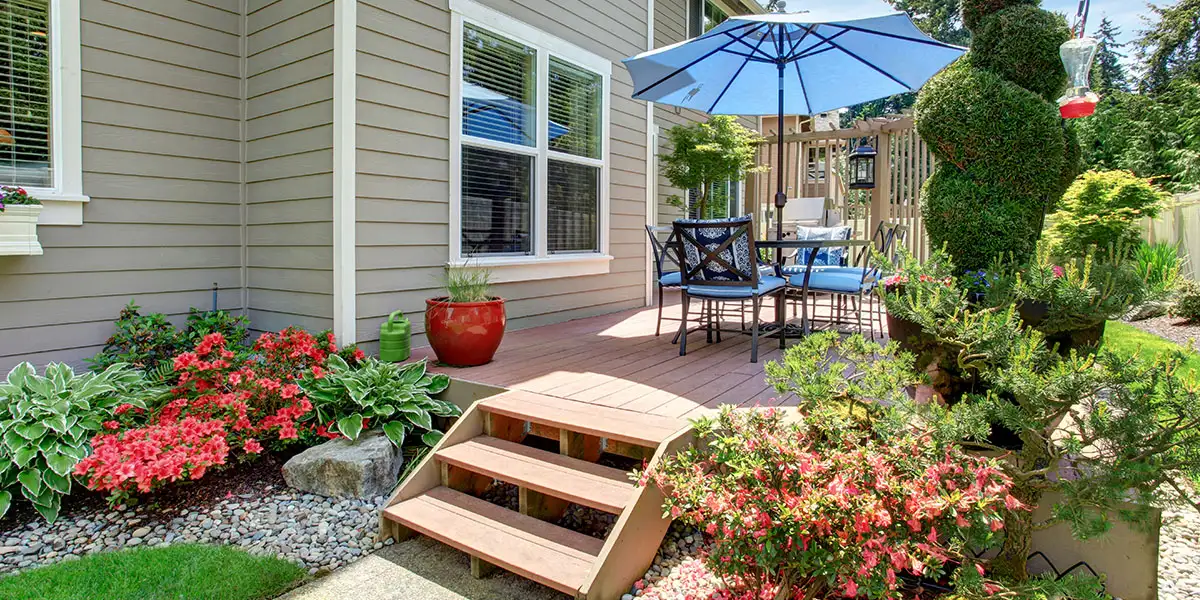
A beautiful June yard should be easy to enjoy. Think about comfort, traffic flow, shade, lighting, and the little details that make people want to linger outside.
To do:
Sweep patios, decks, and walkways before weekend gatherings.
Place containers where guests enter or sit.
Add shade with umbrellas, trees, or pergola plantings.
Check landscape lighting and path lights.
Clean the grill area and outdoor dining surfaces.
Empty standing water after rain.
The CDC recommends removing standing water weekly from items such as buckets, planters, toys, pools, birdbaths, saucers, and trash containers to reduce mosquito breeding areas. Check hidden spots too, including tarps, watering cans, plant trays, clogged gutters, and furniture covers.
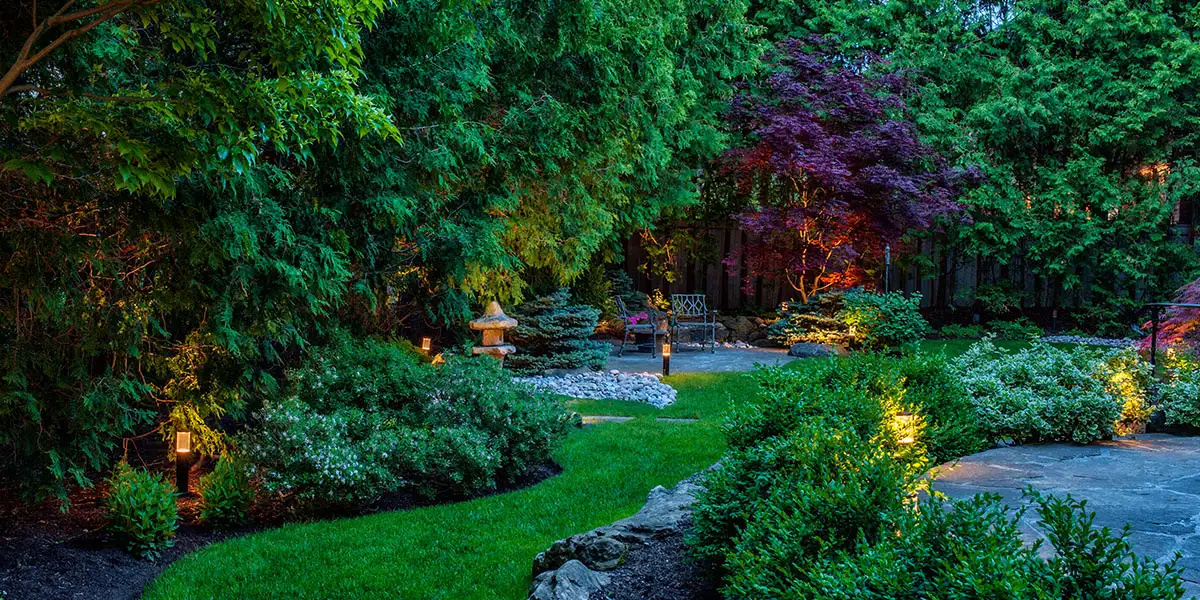
For a more inviting evening garden, consider fragrant and light-catching plants near seating areas. Panicle hydrangea, summersweet, coral bells (Heuchera), Hakone grass, and white-flowering annuals can brighten shaded corners and evening views.
9. Refresh Trees and Shrubs Without Overdoing It
June is not the time for heavy pruning on every plant, but selective care can keep the landscape tidy and healthy.
To do:
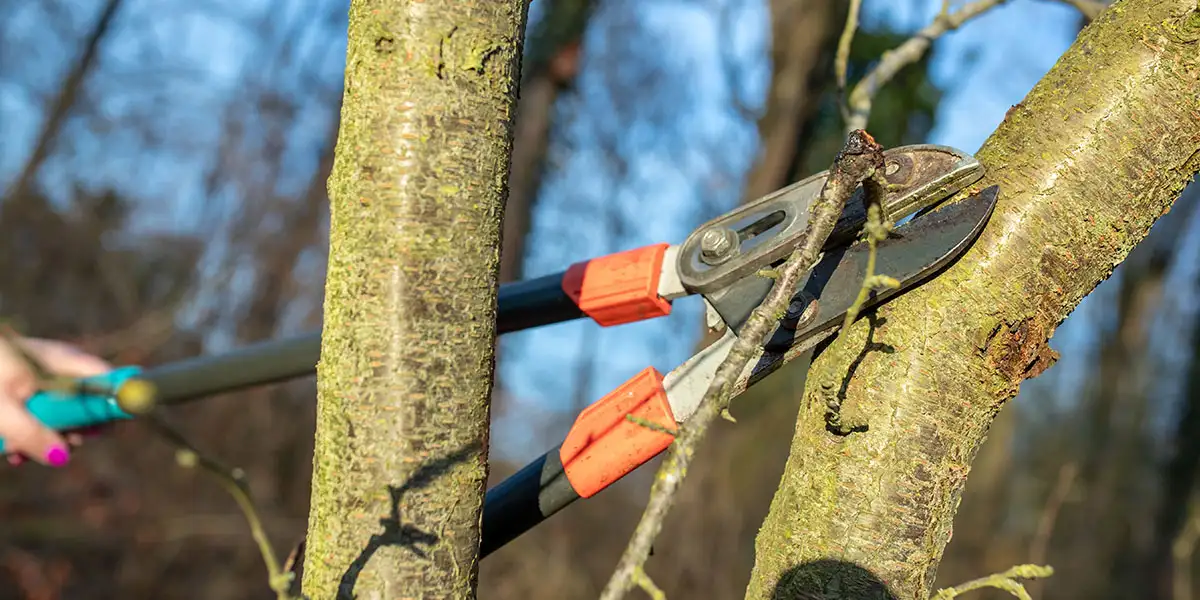
Remove dead, damaged, or diseased branches.
Lightly shape shrubs after flowering when appropriate.
Cut suckers from the base of trees and shrubs.
Check mulch depth around woody plants.
Water new plantings deeply during dry weeks.
Prune spring-flowering shrubs after they bloom if they need shaping. This includes lilac, forsythia, Koreanspice viburnum, and early-blooming rhododendron. Avoid removing more than necessary. A few thoughtful cuts usually look better than a hard haircut.
Hydrangeas deserve special care. Panicle hydrangea (Hydrangea paniculata) and smooth hydrangea (Hydrangea arborescens) are more forgiving, but bigleaf hydrangea (Hydrangea macrophylla) may carry flower buds on older stems. When in doubt, ask before cutting.
10. Plan One Upgrade That Makes Summer Easier
June is a great time to choose one improvement that will make the rest of summer more enjoyable.
To do:
Add a privacy planting near a patio or pool.
Create a pollinator bed near a sunny seating area.
Install drip irrigation in containers or vegetable beds.
Replace one struggling shrub with a better choice.
Add path lighting for safer evening entertaining.
Schedule help for a larger landscape project.
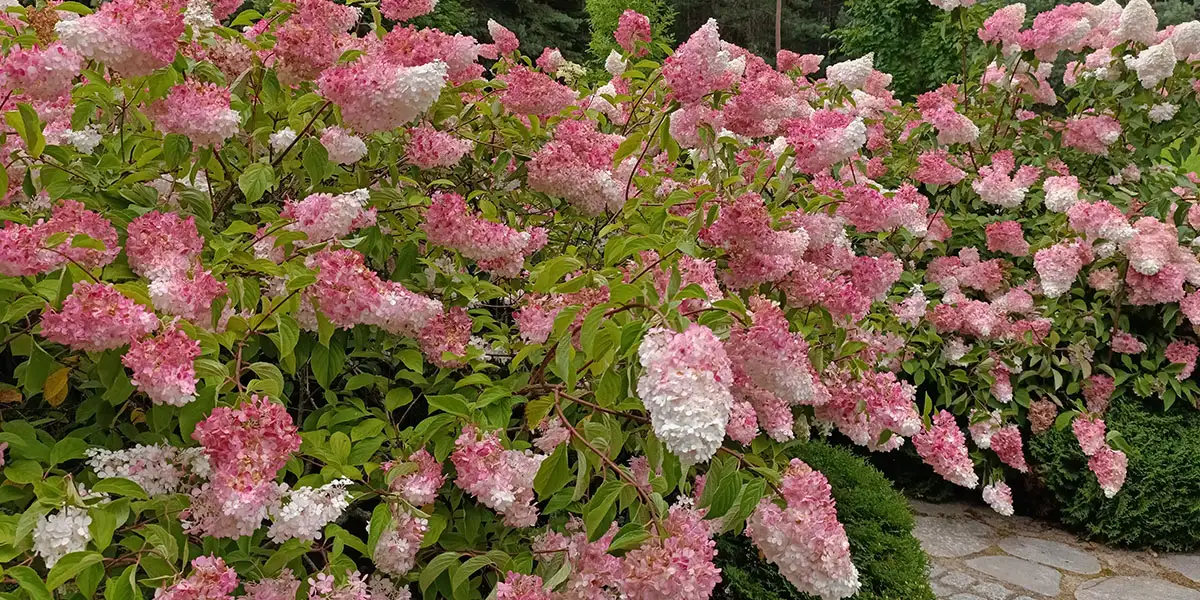
A smart upgrade does not have to be large. A row of inkberry holly, a small grouping of panicle hydrangeas (pictured), or a mixed border of perennials can change the way a space feels. Good landscaping adds beauty, but it also guides movement, frames views, softens hard surfaces, and makes outdoor spaces more useful.
This is also a good month to think ahead. If your summer calendar is full, now is a practical time to discuss landscape improvements, outdoor lighting, privacy plantings, and even holiday lighting plans before the busiest seasons arrive.
We’re happy to chat about any of those things (and more!) right here at Bountiful Acres.
Enjoy the June Garden
June is generous. It gives us fresh herbs, colorful containers, evening blooms, green lawns, busy pollinators, and more reasons to step outside. The key is steady care. Water deeply, mulch wisely, feed where needed, watch for problems early, and make your outdoor spaces comfortable enough to enjoy often.
At Bountiful Acres, we’re here to help Bucks County gardeners make the most of the season with exceptional plants, knowledgeable and friendly staff, locally grown trees and shrubs, complete landscaping services, lighting services, and plenty of inspiration for your home. Stop in for fresh annuals, pollinator plants, trees, shrubs, garden products, and a visit to our popular butterfly atrium. June is a beautiful month to grow, gather, and enjoy the yard you’re creating.