
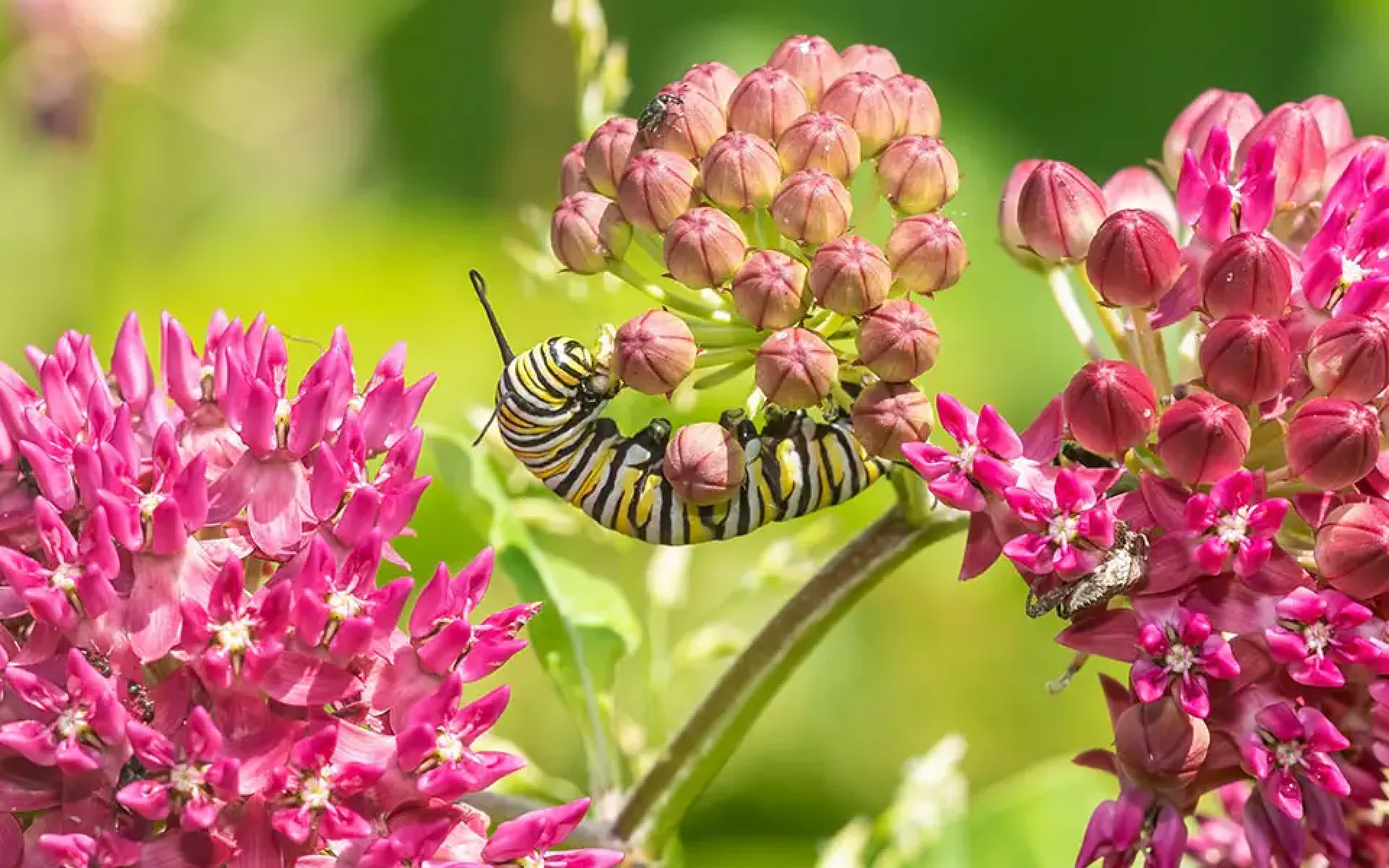
May is one of the most rewarding months in the Bucks County garden. Trees are leafing out, perennials are filling in, containers are ready for color, and outdoor spaces are starting to feel like favorite rooms of the house again. It’s also the month when a little focused effort can make a big difference before summer entertaining, graduation parties, barbecues, pool days, and evenings on the patio.
Use this May guide as a friendly checklist. You don’t need to do everything in one weekend. Start with the areas you see and use most, then work your way through the rest of the yard as time allows.
- Walk the Yard Before You Work
- Clean Up Garden Beds
- Plant Trees and Shrubs
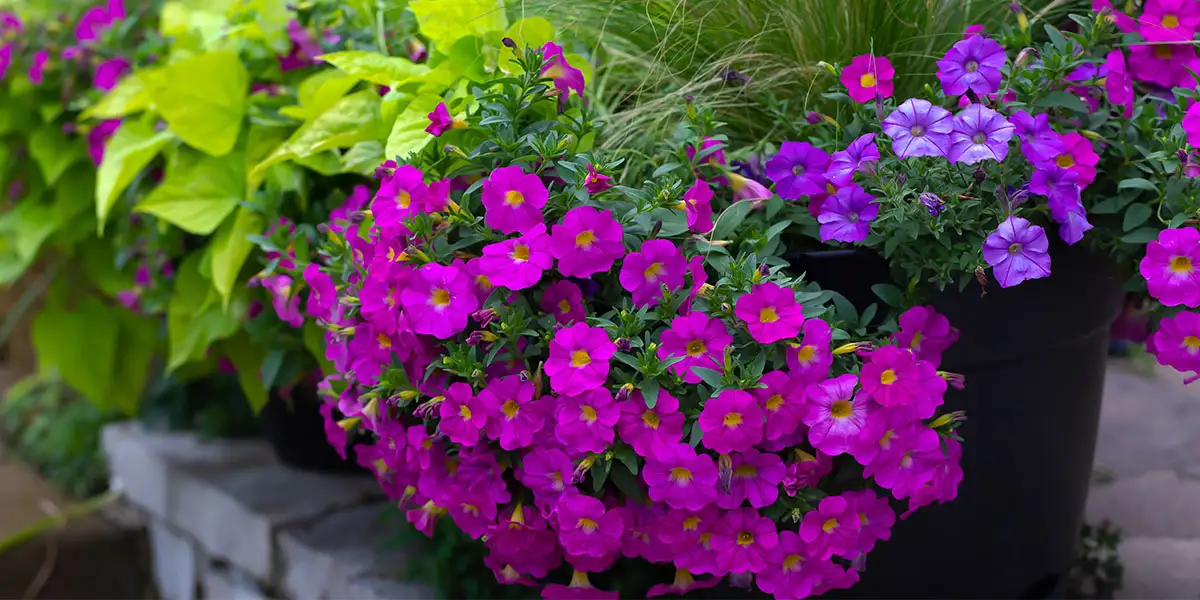
- Add Annual Color to Containers and Beds
- Plant for Pollinators and Butterflies
- Start Wam-Season Vegetables and Herbs
- Care for the Lawn
- Test Soil Before Adding Fertilizer
- Prune Spring-Flowering Shrubs After Bloom
- Watch for Weeds, Pests, and Invasive Plants
- Prepare Outdoor Spaces for Entertaining
1. Walk the Yard Before You Work
Before planting, pruning, or buying mulch, take a slow walk around your property.
To do:
Look for winter damage on trees and shrubs.
Note bare spots in garden beds.
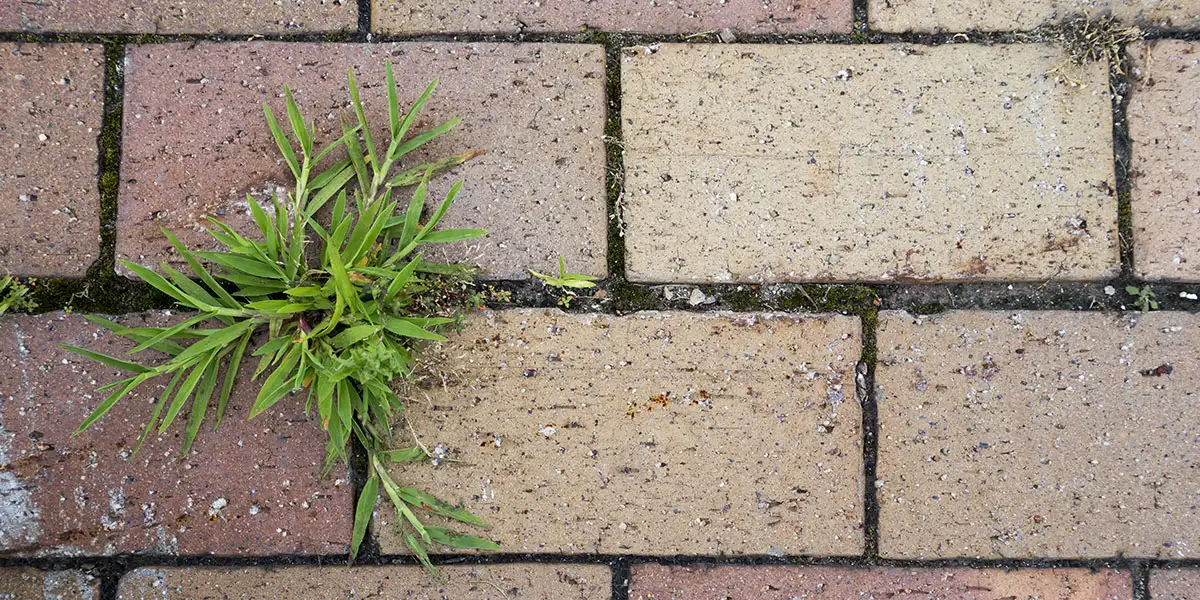
Check for weeds along bed edges, walkways, patios, and fences.
Look for standing water or soggy areas after rain.
Notice which plants are thriving.
Make a list of areas that need color, privacy, cleanup, or better structure.
This simple walk helps you make better choices. A healthy serviceberry (Amelanchier canadensis), blooming rhododendron, or cheerful patch of moss phlox (Phlox subulata) can show you what is already working in your yard.
Think about how you want to use your outdoor space this season. Your front entry may need welcoming containers. A patio may need shade, privacy, or pollinator-friendly flowers. A backyard gathering space may need a few sturdy shrubs, a fresh mulch edge, and lighting that makes evenings feel special.
2. Clean Up Garden Beds
May is a great time to freshen landscape beds before plants get too large.
To do:
Remove dead stems, leaves, and winter debris.
Pull weeds while the soil is moist.
Cut clean edges along beds and walkways.
Add compost around perennials and shrubs.
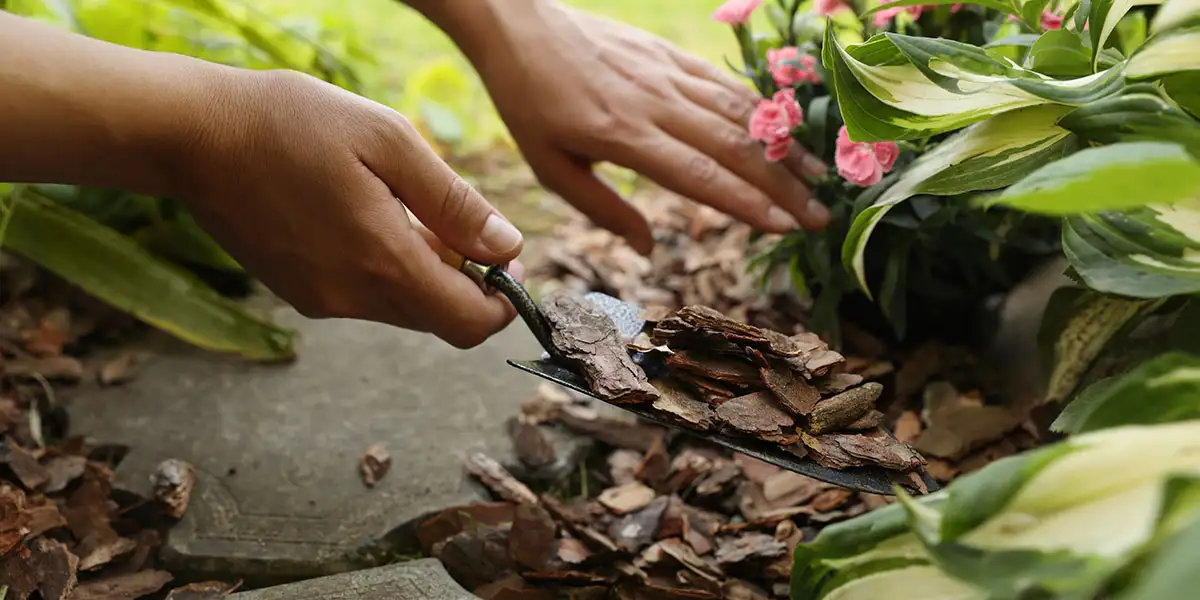
Refresh mulch where needed.
Keep mulch away from stems, trunks, and crowns.
A clean bed instantly makes the whole landscape look better. Compost can improve soil texture and support healthy growth, but avoid piling it against plant stems. When mulching, aim for an even layer, usually about two to three inches deep if the bed is bare or thinly covered.
Don’t mound mulch against tree trunks! Mulch “volcanoes” trap moisture against bark and can lead to long-term problems, so pull the mulch back so you can see the base of the tree and the natural trunk flare.
3. Plant Trees and Shrubs
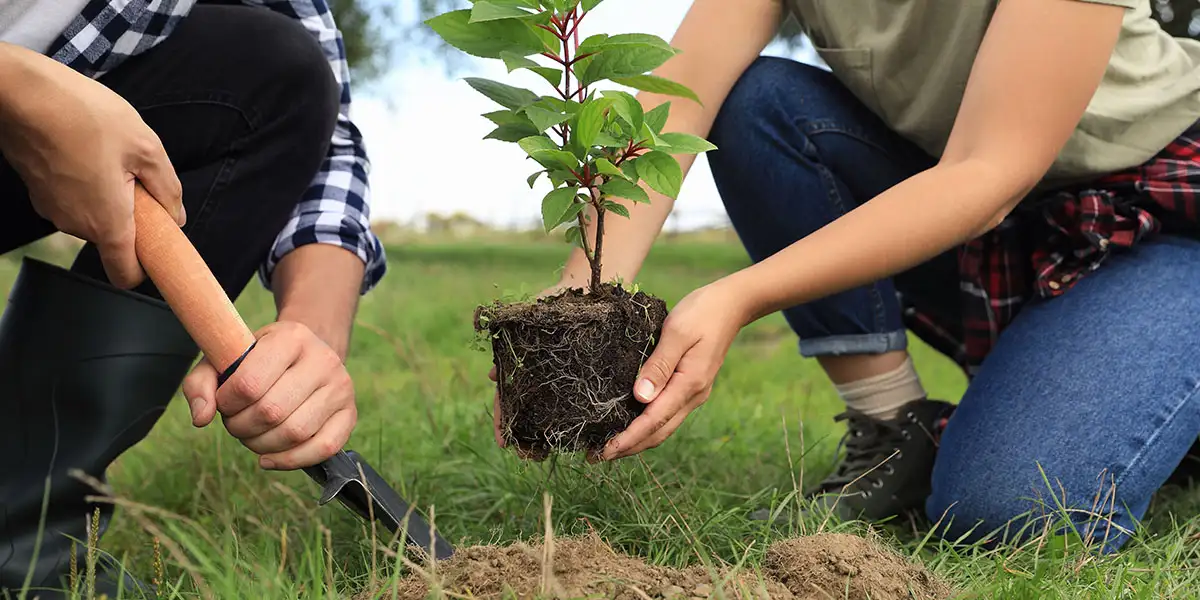
May is an excellent month to plant trees and shrubs in Bucks County, especially when you choose healthy plants that are well matched to your site.
To do:
Choose plants based on sun, shade, soil, mature size, and deer pressure.
Dig a wide planting hole, not a deep one.
Set the root flare slightly above the surrounding soil.
Backfill with native soil.
Water deeply after planting.
Mulch properly, keeping mulch away from the trunk.
Water consistently through the first growing season.
For spring flowers and multi-season beauty, consider:
- eastern redbud (Cercis canadensis)
- flowering dogwood (Cornus florida)
- serviceberry (Amelanchier canadensis)
- dwarf fothergilla (Fothergilla gardenii)
- Virginia sweetspire (Itea virginica)
- oakleaf hydrangea (Hydrangea quercifolia)
For structure, privacy, and year-round interest, look at:
- inkberry holly (Ilex glabra)
- boxwood (Buxus)
- eastern arborvitae (Thuja occidentalis)
- Norway spruce (Picea abies)
- and other evergreens suited to your space
Trees and shrubs are long-term investments. Taking time to choose the right plant and plant it correctly will pay off for years.
Did you know here at Bountiful Acres, we are growers, plant experts, and a trusted resource for homeowners and landscapers looking for exceptional trees and shrubs. In fact, we grow all of our ball-and-burlap trees and shrubs on our 100-acre Bucks County farm. These curated varieties are appreciated for beauty, performance, and lasting value in the landscape.
4. Add Annual Color to Containers and Beds
Once nights are reliably mild, May is the month for warm-season annuals.
To do:
Refresh containers with new potting mix.
Check that every pot has drainage holes.
Choose sun or shade plants based on the location.
Water newly planted containers thoroughly.
Add slow-release fertilizer, if appropriate.
Place containers where they brighten entries, patios, decks, and pool areas.
For sunny containers, try petunia, million bells (Calibrachoa), lantana, mealycup sage (Salvia farinacea), angelonia, geranium, and sweet potato vine.
If you have containers that live in shade, choose begonia, impatiens, wishbone flower (Torenia fournieri), and coleus.
Here’s an easy container recipe! Combine one upright “thriller,” several rounded “fillers,” and trailing “spillers.” In sun: mealycup sage, million bells, and sweet potato vine make a colorful combination. In shade, pair begonia, coleus, and wishbone flower. Lovely!
On the other hand, if you want someone else to put your containers together, Bountiful Acres offers Custom Container Design & Installation services to bring beauty and impact to any of your spaces.
5. Plant for Pollinators and Butterflies
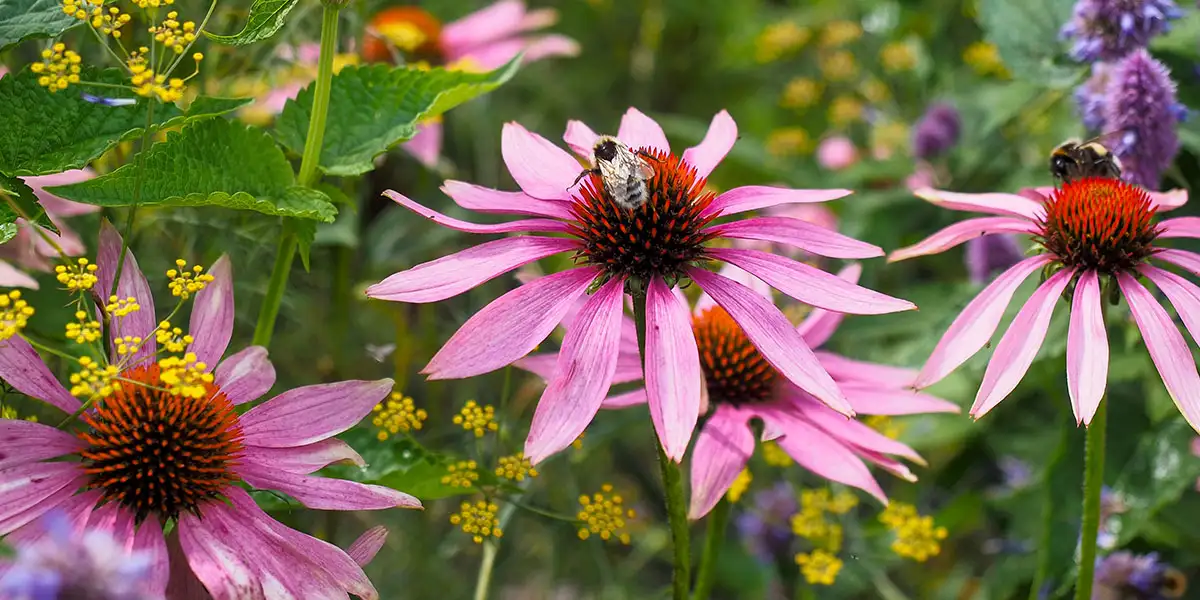
A pollinator-friendly garden can be beautiful, lively, and surprisingly easy to maintain once established.
To do:
Add nectar-rich flowers for bees, butterflies, and hummingbirds.
eastern red columbine
foxglove beardtongue
wild bergamot
purple coneflower
orange coneflower
butterfly weed
clustered mountain mint
New England aster
Include native plants when possible.
Plant in groups instead of scattering single plants.
Choose flowers that bloom at different times.
Include host plants for butterfly caterpillars.
milkweed (supports monarch butterflies)
spicebush (supports spicebush swallowtails)
pawpaw (supports zebra swallowtails)
Avoid unnecessary pesticide use when pollinators are active.
A pollinator garden doesn’t need to be large. Even a sunny corner, patio container, or small border can become part of a healthier local habitat. If you’re looking for inspiration or just want to see some lovely butterflies in all their life cycles, don’t miss visiting our Butterfly Atrium!
6. Start Warm-Season Vegetables and Herbs
May is the bridge between cool-season crops and summer favorites.
To do:
Continue harvesting lettuce, spinach, radishes, peas, and kale.
Wait to plant tender crops until chilly nights have passed.
Harden off seedlings before planting outdoors.
Install tomato cages or stakes at planting time.
Water vegetables at the base of the plant.
Mulch vegetable beds to reduce weeds and soil splash.
Warm-season favorites include:
- tomato
- pepper
- eggplant
- basil
- cucumber
- summer squash
- common bean
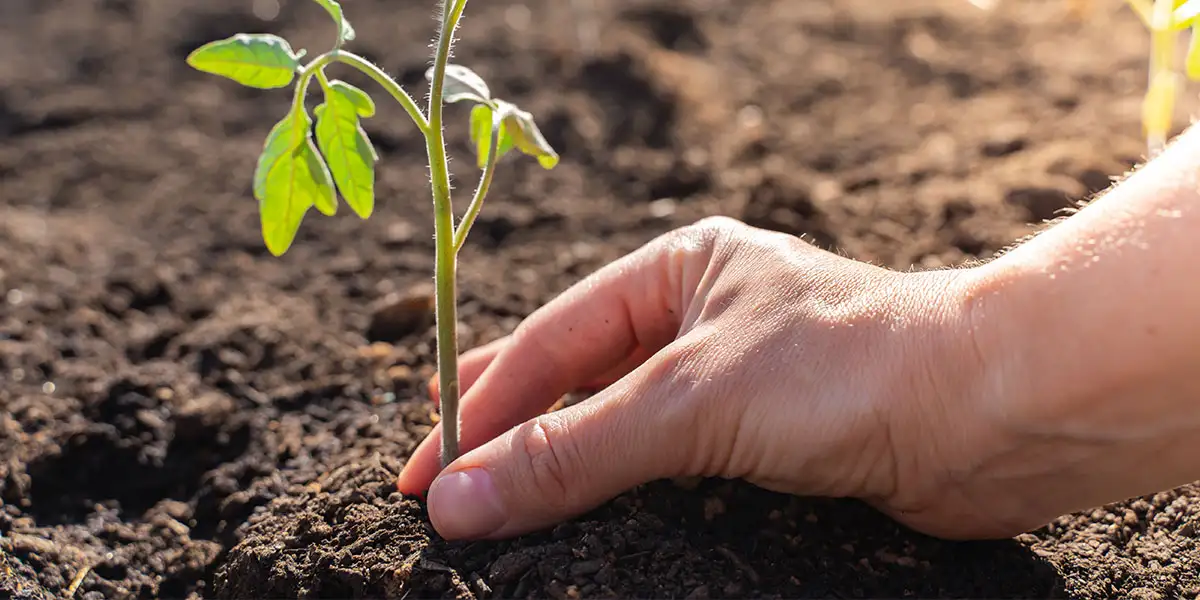
Tomatoes can be planted deeply so part of the stem is below the soil line. This encourages a stronger root system. Give plants enough space for airflow, because crowded vegetable plants are more prone to disease.
Basil is especially sensitive to cold. Plant it when the temps have truly warmed up, then pinch it regularly to encourage bushier growth.

7. Care for the Lawn
May lawns can look lush and green, but good habits now help them stay healthier through summer.
To do:
Mow high, ideally close to three inches.
Sharpen mower blades.
Avoid cutting more than one-third of the grass blade at a time.
Leave grass clippings on the lawn when they are not clumping.
Water deeply when needed, rather than lightly every day.
Address thin areas with a long-term plan, especially for fall overseeding.
Healthy mowing is one of the simplest ways to support a better lawn. Taller grass shades the soil, encourages deeper roots, and helps reduce weed pressure.
If crabgrass has been a recurring issue, May timing matters. Preemergence products need to be applied before weed seeds germinate. Always read label directions carefully, especially near new seed, pets, children, edible gardens, and waterways. If you’re not sure, come talk to us and we can help guide you.
8. Test Soil Before Adding Fertilizer
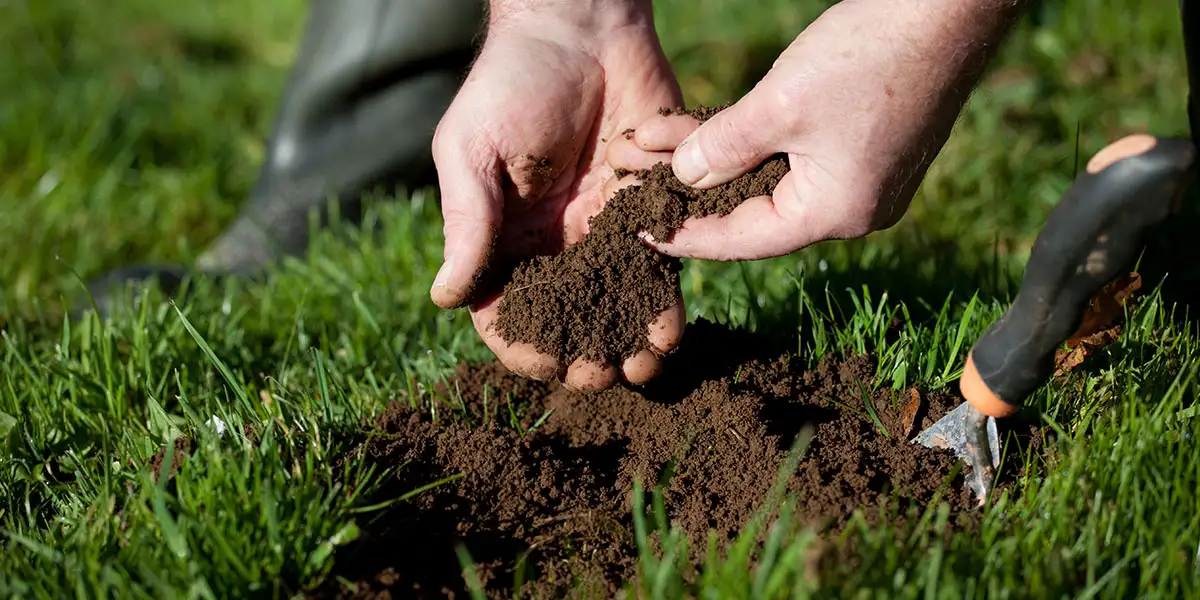
Guessing at fertilizer can waste money and create problems. Soil testing gives you better information.
To do:
Test soil in lawns, vegetable gardens, and struggling beds.
Take samples from several spots in the same area.
Keep lawn and garden samples separate.
Follow the recommendations before adding lime or fertilizer.
Add compost where organic matter is needed.
Soil pH affects how well plants can access nutrients. A plant may look hungry even when nutrients are present if the pH is off. Testing helps you correct the real problem instead of adding products that may not be needed.
Want to know more about fertilizer and how it works? Check out this resource!
9. Prune Spring-Flowering Shrubs After Bloom
Pruning at the right time protects next year’s flowers.
To do:
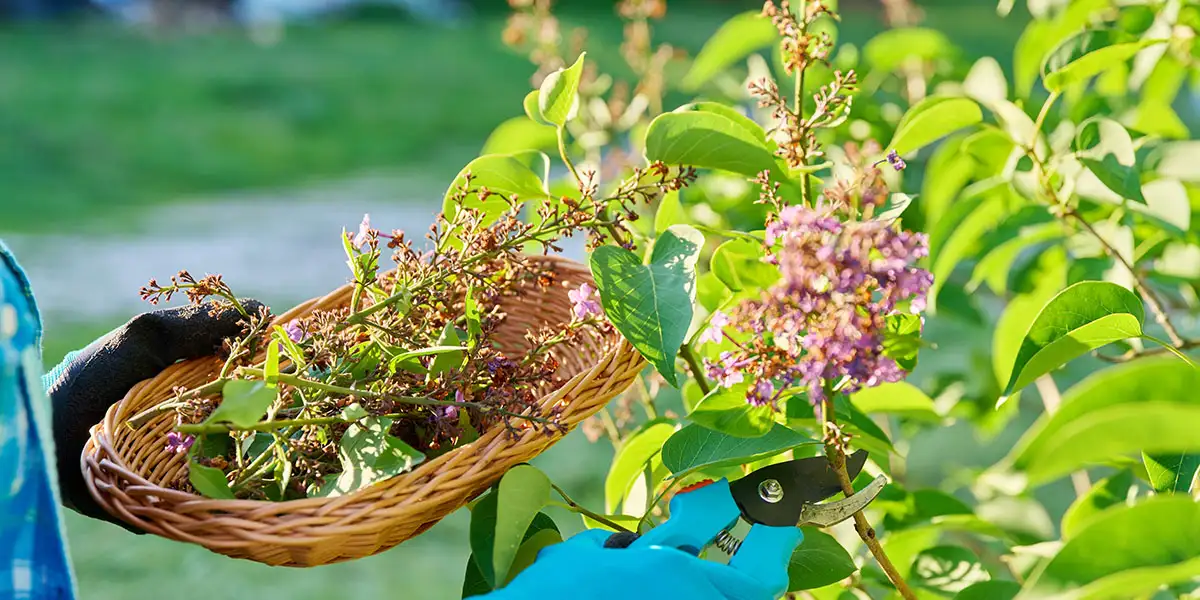
Prune spring-flowering shrubs after they finish blooming.
Remove dead, damaged, diseased, or crossing branches first.
Step back often to check the natural shape.
Avoid shearing shrubs into tight shapes unless that is the intended style.
Clean and sharpen pruners before major pruning jobs.
Shrubs such as forsythia, common lilac (Syringa vulgaris), Koreanspice viburnum (Viburnum carlesii), and early-blooming rhododendron can be pruned shortly after flowering.
Be careful with hydrangeas. Hydrangea paniculata (panicle hydrangea) and Hydrangea arborescens (smooth hydrangea) bloom on new wood, but Hydrangea macrophylla (bigleaf hydrangea) often needs a more cautious approach because many varieties bloom on old wood.
10. Watch for Weeds, Pests, and Invasive Plants
A weekly garden walk can prevent small problems from becoming big ones.
To do:
Check the undersides of leaves.
Look for chewed foliage, discoloration, sticky residue, or distorted growth.
Remove weeds before they set seed.
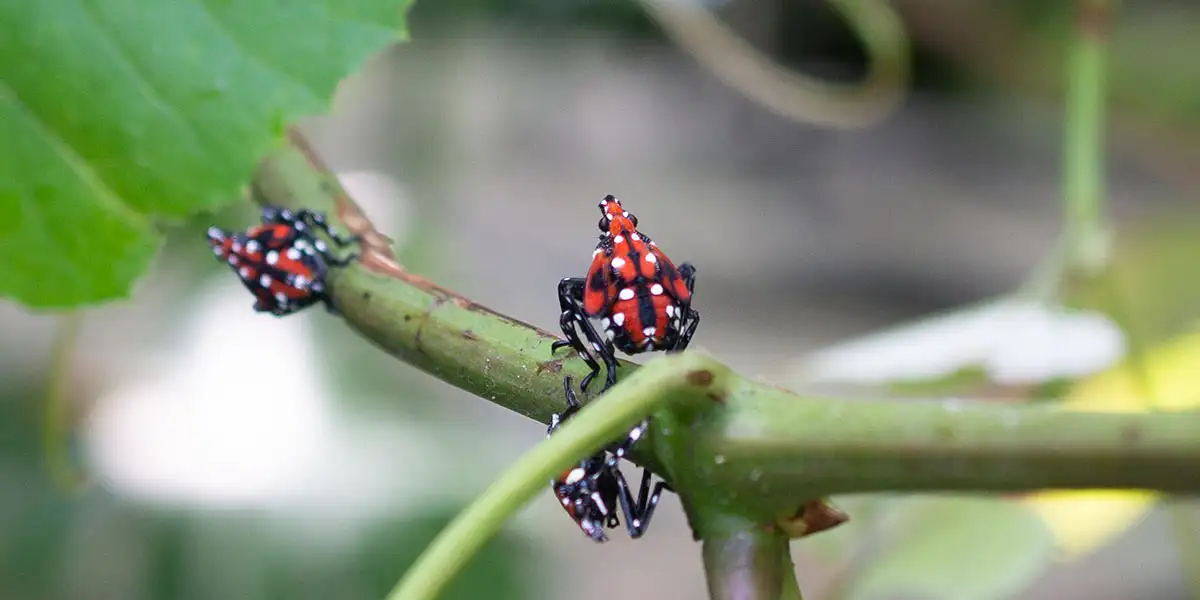
Check for and eradicate spotted lanternfly egg masses and nymphs (pictured above).
Remove invasive seedlings while they are small.
Monitor plants that struggled last year.
Common invasive plants to watch for include garlic mustard, multiflora rose, Japanese barberry, and Japanese knotweed.
Pull weeds when the soil is moist so roots come out more easily. After weeding, mulch open soil to reduce new germination.
11. Prepare Outdoor Spaces for Entertaining
May is when the yard becomes part of daily life again.
To do:
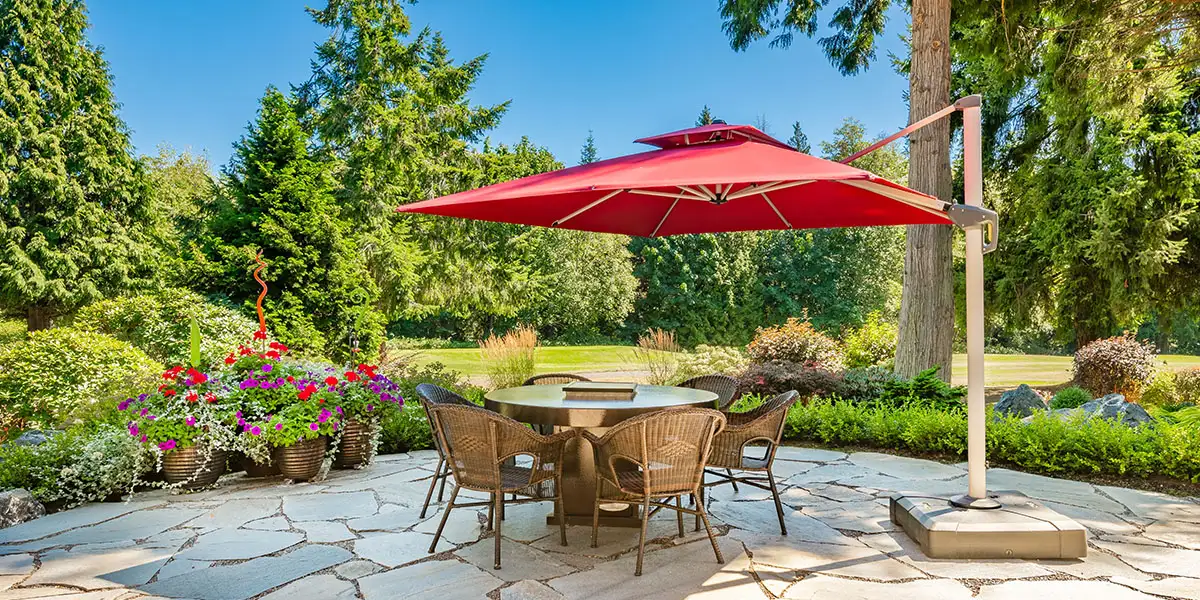
Clean patio furniture.
Wash cushions and outdoor pillows.
Sweep patios, decks, porches, and walkways.
Refresh containers near gathering areas.
Add plants for privacy around patios or pools.
Check outdoor lighting.
Tidy views from windows, doors, and seating areas.
For entertaining spaces, choose plants that look good for a long season. Reliable options include:
- panicle hydrangea (Hydrangea paniculata)
- catmint (Nepeta)
- coral bells (Heuchera)
- Hakone grass (Hakonechloa macra)
- boxwood (Buxus)
- Virginia sweetspire (Itea virginica)
- ornamental grasses
A few thoughtful upgrades can make a big difference. Add containers near the grill, plant a small tree for future shade, or create a soft border around a seating area.
Outdoor lighting can also make patios, walkways, and entries feel more welcoming after sunset.

Make May Manageable
May can feel busy, but your yard doesn’t have to be finished all at once! Start with the places that matter most: the front entry, patio, main garden bed, vegetable garden, or lawn area where people gather. Then keep moving through the checklist as time allows.
A beautiful Bucks County landscape is built with healthy plants, good timing, and practical care. Whether you’re planting trees and shrubs, filling containers, refreshing mulch, starting vegetables, creating a butterfly-friendly garden, or planning a larger landscape update, May is full of opportunity.
At Bountiful Acres, we’re here to help with exceptional plants, friendly guidance, locally grown trees and shrubs, complete landscaping services, and plenty of seasonal inspiration. Stop in, stroll the nursery, visit the butterfly atrium, and bring your May garden questions with you. Your outdoor space is waking up, and this is a wonderful month to help it shine.