Planting a new tree or shrub is an exciting moment. Whether it’s a flowering ornamental, a shade tree for future summers, or a foundation shrub to frame your home, those first few weeks in the ground matter more than many gardeners realize. Proper watering during establishment is one of the most important factors in helping new plants settle in, grow strong roots, and thrive for years to come.
Here in Bucks County, weather can be unpredictable. We may have long stretches of dry days followed by soaking rains, and soil conditions can vary widely from one yard to the next. That is why understanding how, when, and how much to water makes such a difference, especially for newly planted trees and shrubs.
Why Watering Matters So Much After Planting
When a tree or shrub is first planted, it experiences a bit of shock. Even healthy plants grown in ideal conditions need time to adjust to a new environment. Their roots are suddenly surrounded by different soil, drainage patterns, and moisture levels.
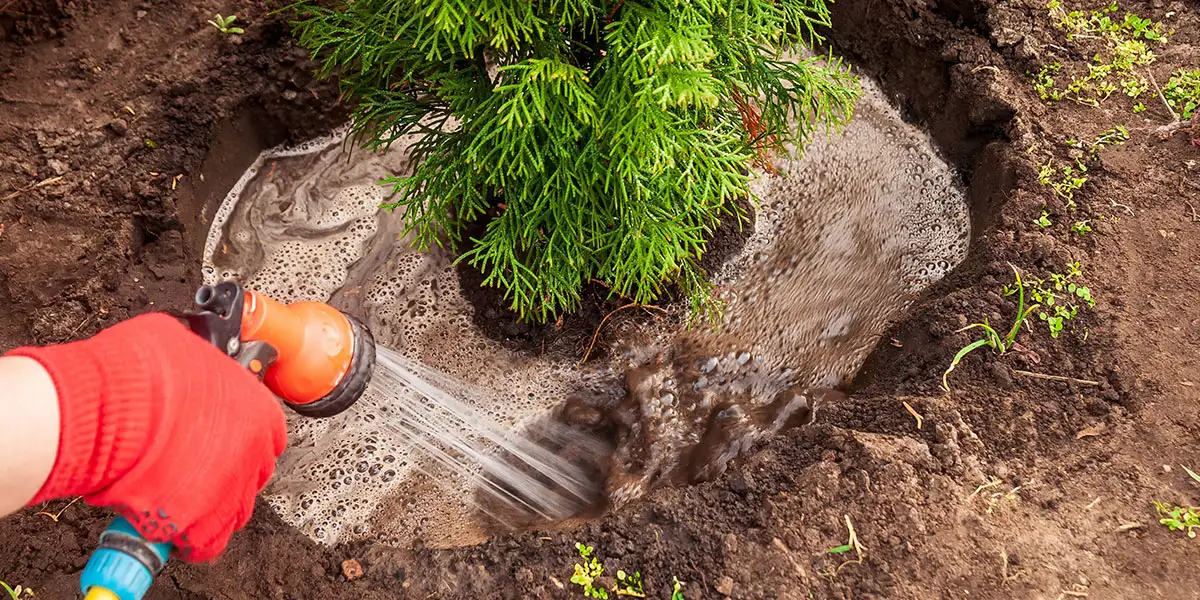
Thorough watering right after planting helps eliminate air pockets around the root ball and allows roots to make contact with the surrounding soil. From there, consistent watering supports root growth outward into the landscape, which is what anchors the plant and helps it access nutrients and moisture on its own.
Skipping or rushing this step can slow establishment and stress the plant, even if everything else was done correctly.
A Simple Watering Schedule to Follow
While every landscape is different, a general watering schedule provides an excellent starting point for newly planted trees and shrubs.
Week 1
Water every other day. This is the most critical period. Frequent watering helps the plant recover from planting stress and keeps the root ball evenly moist.
Weeks 2 through 4
Water every third day. Roots begin to adjust and explore the surrounding soil, but they still rely heavily on consistent moisture.
Week 4 and Beyond
Water once a week until the end of the growing season. At this stage, you are encouraging deeper root growth and long-term resilience.
Rainfall should always be taken into account. If we receive steady, soaking rain, you may be able to skip a watering. During hot or dry spells, additional watering may be necessary. Watering schedules are guidelines, not rigid rules.
Let the Soil Be Your Guide
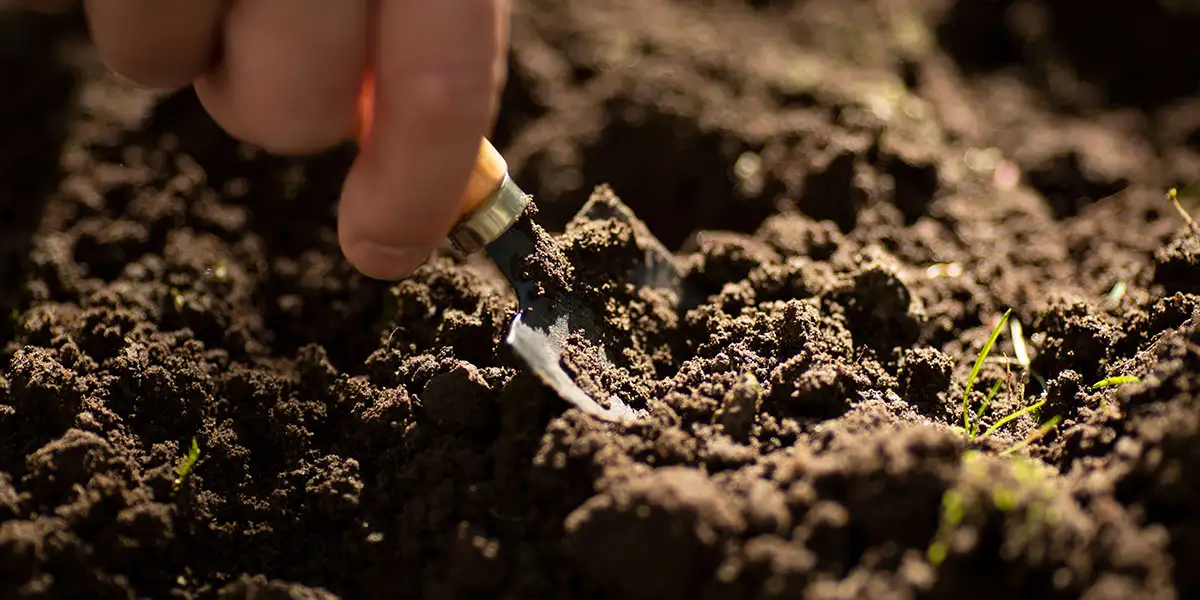
If you are ever unsure whether to water, check the soil. Dig down along the side of the root ball rather than right at the surface.
- If the soil is dry a few inches down, it is time to water.
- If the soil is wet and sticking to your shovel, or if you see standing water, cut back on watering frequency.
This simple check takes the guesswork out of plant care and helps prevent both underwatering and overwatering.
What Does “Thorough Watering” Really Mean?
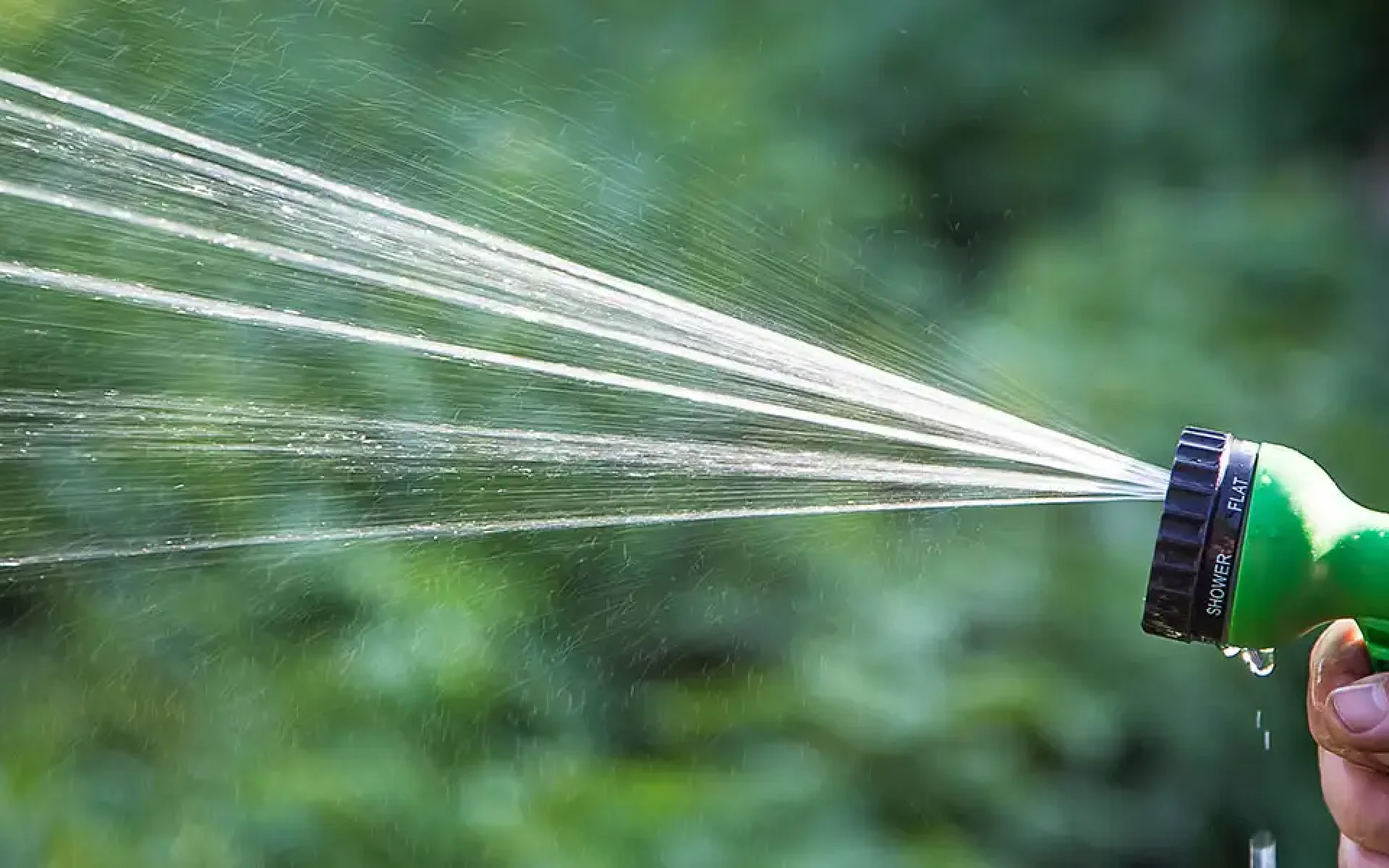
Thorough watering means applying enough water to soak the entire root ball and the surrounding soil. A quick splash at the surface does not reach the roots where it counts.
Here are general guidelines based on plant size, using full water pressure unless otherwise noted:
- 1- to 5-gallon plant material: 30 to 60 seconds
- 7- to 20-gallon plant material: 2 to 3 minutes
- 1- to 2-caliper (refers to the diameter measurement of a tree’s trunk) trees: 4 minutes
- 3- to 6-caliper trees: 6 minutes
These time frames allow water to penetrate deeply and evenly, encouraging roots to grow downward and outward.
Adjusting for Completely Dry Soil
Dry soil can be tricky. When soil has dried out completely, water tends to run off rather than soak in. If you notice this happening, slow things down.
Reduce water pressure to a gentle trickle and triple the watering time. This slower approach gives the soil time to absorb moisture and ensures the root ball actually receives the nourishment it needs.
This method is especially helpful during summer heat or in areas with sandy or compacted soil.
Understanding Microclimates in Your Landscape
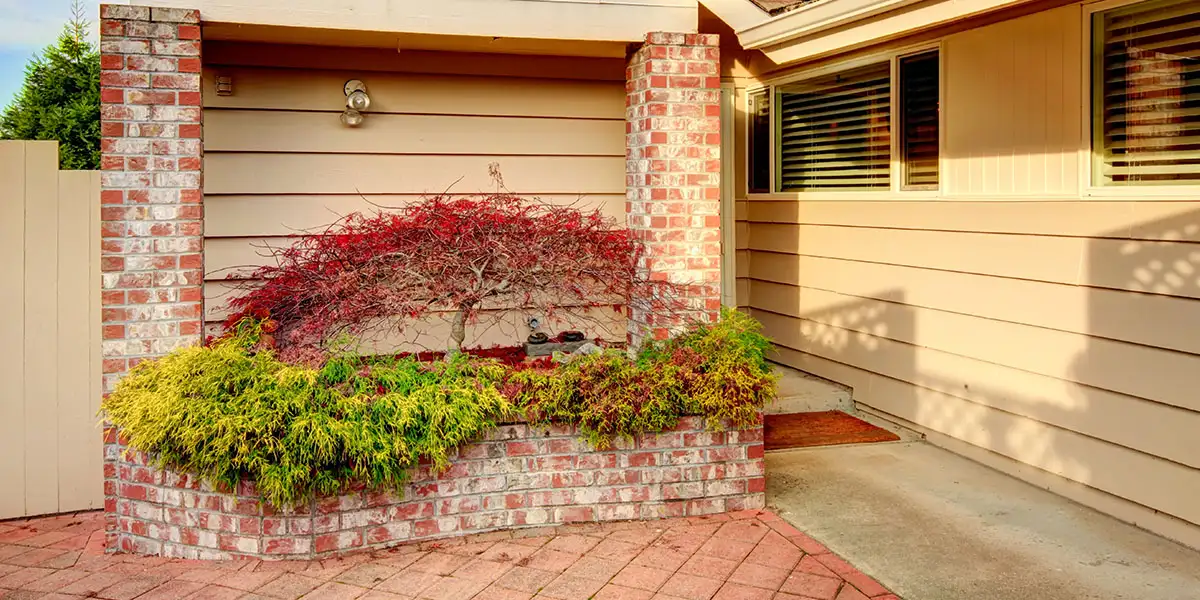
Many properties have microclimates, which are small areas with different conditions than the rest of the yard. Changes in heat, sunlight, wind, and drainage all contribute to these variations.
South-facing walls, paved surfaces, slopes, and sheltered corners often warm up faster and dry out more quickly. These areas can be wonderful places to grow plants that are borderline hardy for our region, but they also demand closer attention when it comes to watering.
If a newly planted tree or shrub is located in one of these microclimates, it may need water more often than the rest of your landscape, even if nearby plants seem fine.
The Role of Mulch in Watering Success
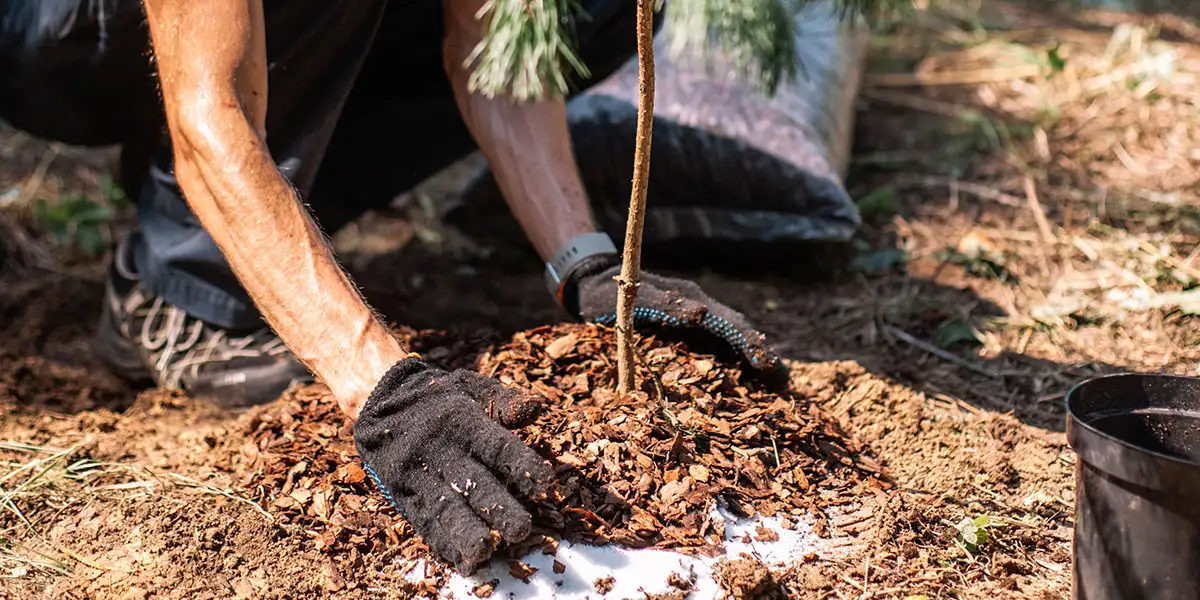
Mulch is one of the most helpful tools for newly planted trees and shrubs.
A proper layer of mulch helps retain soil moisture, moderate soil temperature, and reduce competition from weeds. By slowing evaporation, mulch can allow you to water less often while still keeping plants comfortable and hydrated.
Apply mulch two to three inches deep, keeping it pulled back a few inches from the trunk or stems. This creates a healthy environment for roots without encouraging rot or pests.
As an added bonus, mulching saves time and money by reducing weeding and improving soil health over time.
Common Watering Mistakes to Avoid
Even well-intentioned gardeners can fall into a few common traps. Being aware of these helps prevent problems before they start.
1. Watering too frequently but not deeply enough. Shallow watering encourages roots to stay near the surface, which makes plants more vulnerable to drought and temperature extremes.
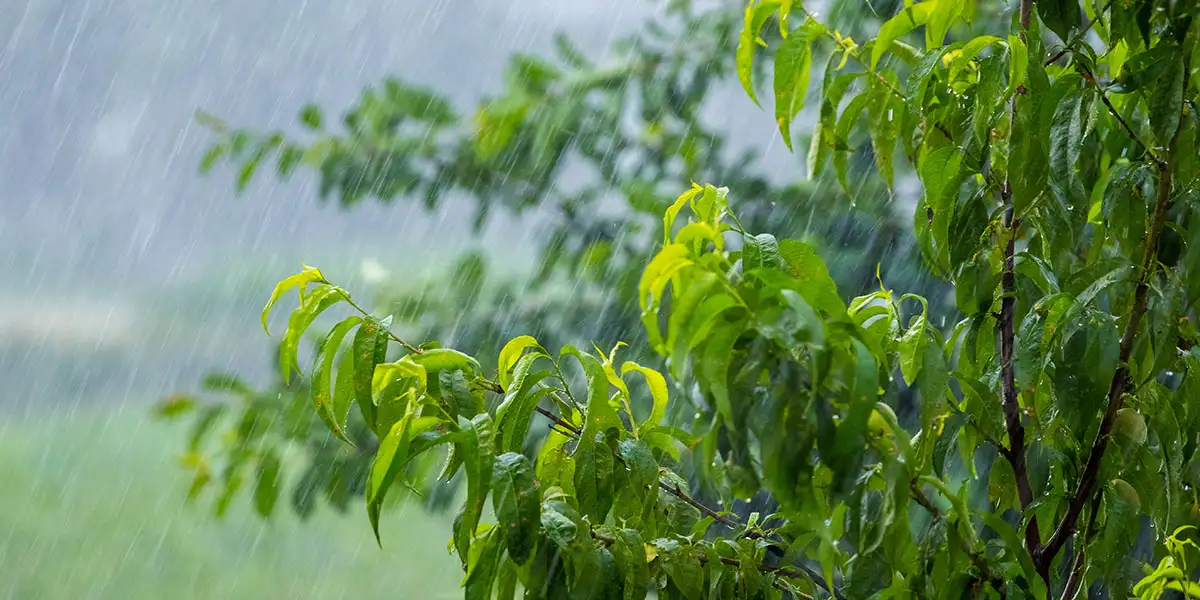
2. Ignoring rainfall. Overwatering can be just as stressful as underwatering, especially in heavier soils that drain slowly.
3. Forgetting that trees and shrubs have different needs than lawns. Turf grass is watered lightly and often, but woody plants benefit from slower, deeper soakings.
Bountiful Acres is Here to Help
Every landscape in Bucks County is unique, and watering needs can vary based on soil, exposure, and plant selection. If you ever have questions about caring for newly planted trees and shrubs, our knowledgeable and friendly staff is always happy to help.
From selecting the right plants to offering guidance on watering, mulching, and long-term care, we love helping gardeners feel confident and successful. A little extra attention now leads to healthier plants, fewer problems, and more enjoyment in the seasons ahead.
So grab the hose, take a look at the soil, and remember that thoughtful watering is one of the simplest and most powerful ways to help your landscape grow beautifully.