As summer begins to soften into fall, the garden starts to change. Bright summer annuals may look a little tired, temperatures become more comfortable, and gardeners begin thinking about mums, pansies, pumpkins, and other favorites that make autumn feel like autumn.
There’s another group of plants that deserves a prominent place in that seasonal lineup: ornamental kale and ornamental cabbage (Brassica oleracea).
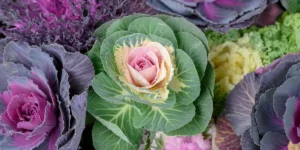
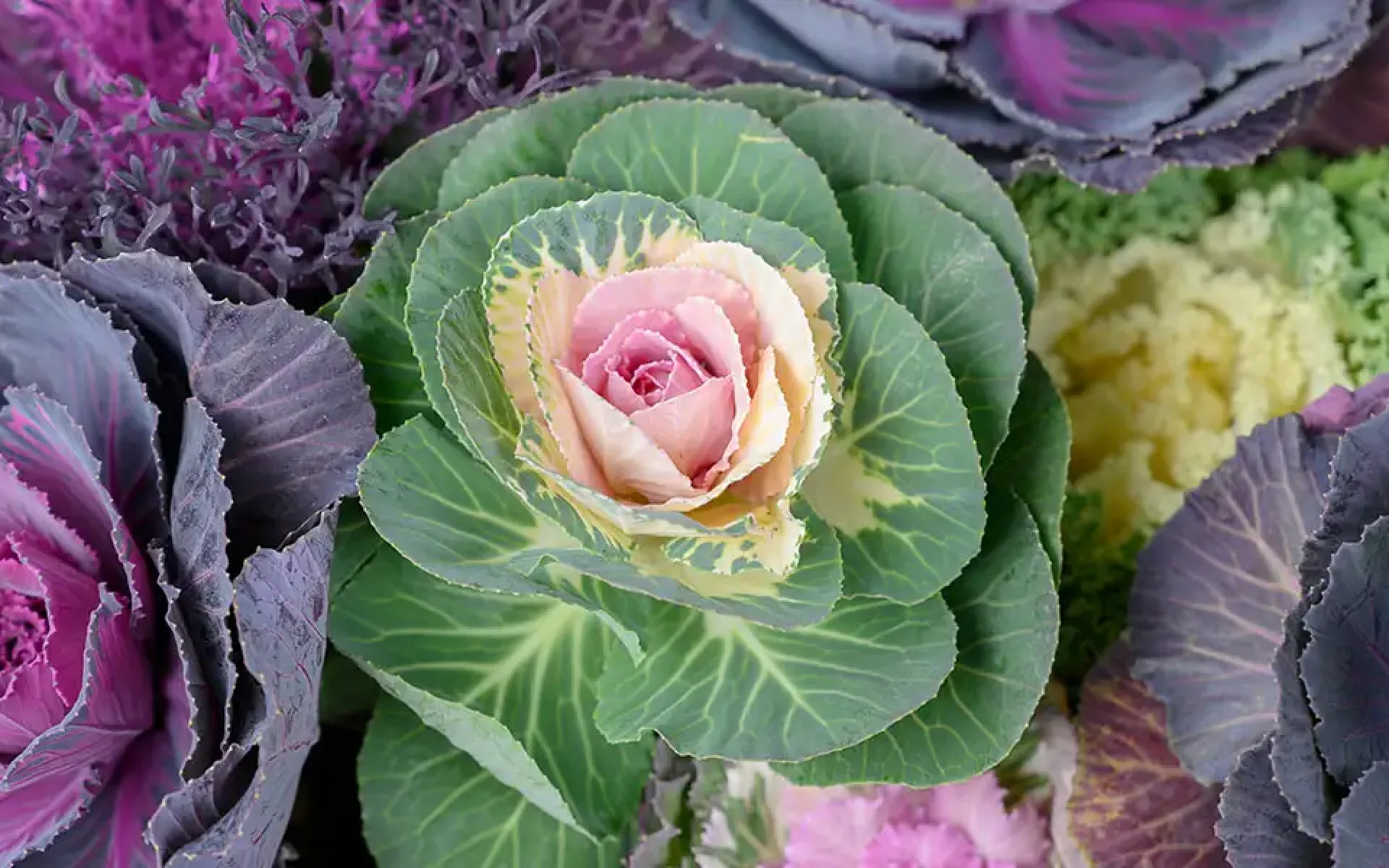
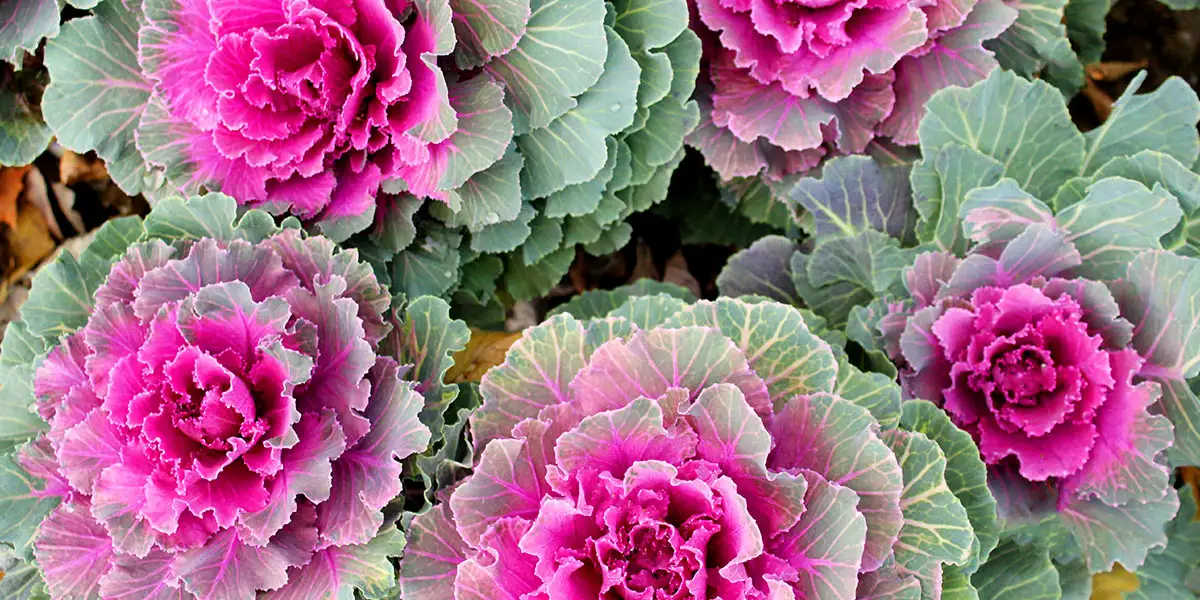
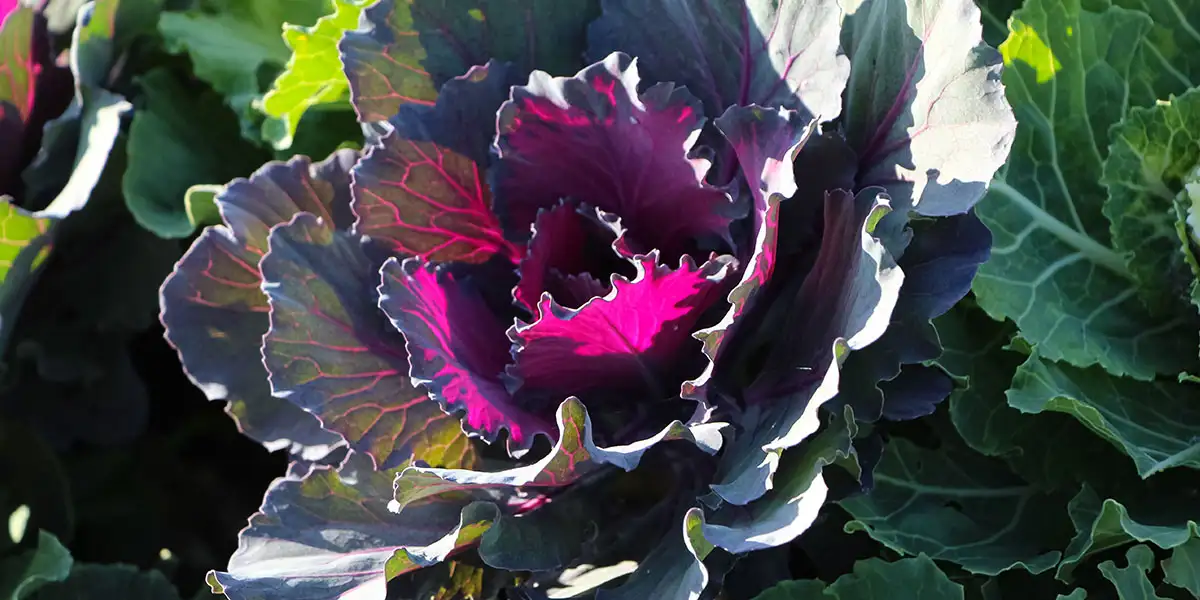
With rosettes of green, creamy white, rosy pink, lavender, magenta, and deep purple leaves, these cool-weather plants can look almost like enormous flowers. They bring color, texture, and structure to garden beds and containers at exactly the time when many other plants are winding down.
Even better, ornamental kale and cabbage often become more colorful as the weather gets colder. For gardeners here in Bucks County, that makes them especially useful for carrying a landscape beautifully from late summer well into fall.
- They Look Like Flowers, But the Show is All Foliage
- Cooler Weather Brings Out Their Best Colors
- Why We Love Them for Fall Gardens
- They Bring Container Magic
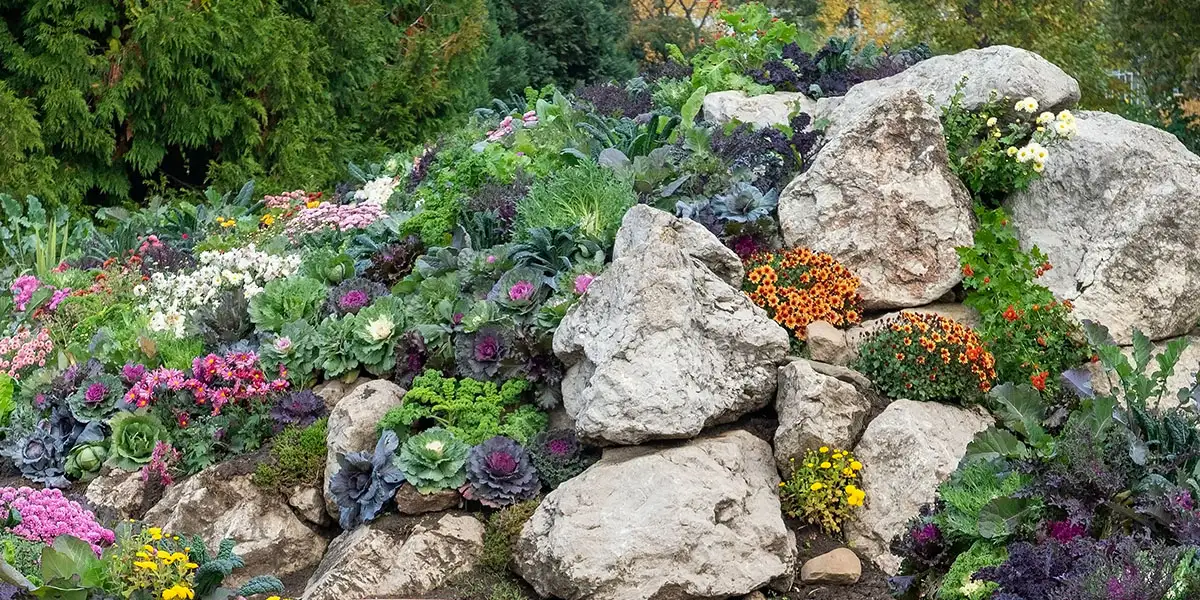
- Garden Beds Have a Second Season
- Ornamental Kale and Cabbage Care
- Yes, They Are Related to the Kale in Your Kitchen
- Find Your Fall Favorites at Bountiful Acres
They Look Like Flowers, But the Show Is All Foliage
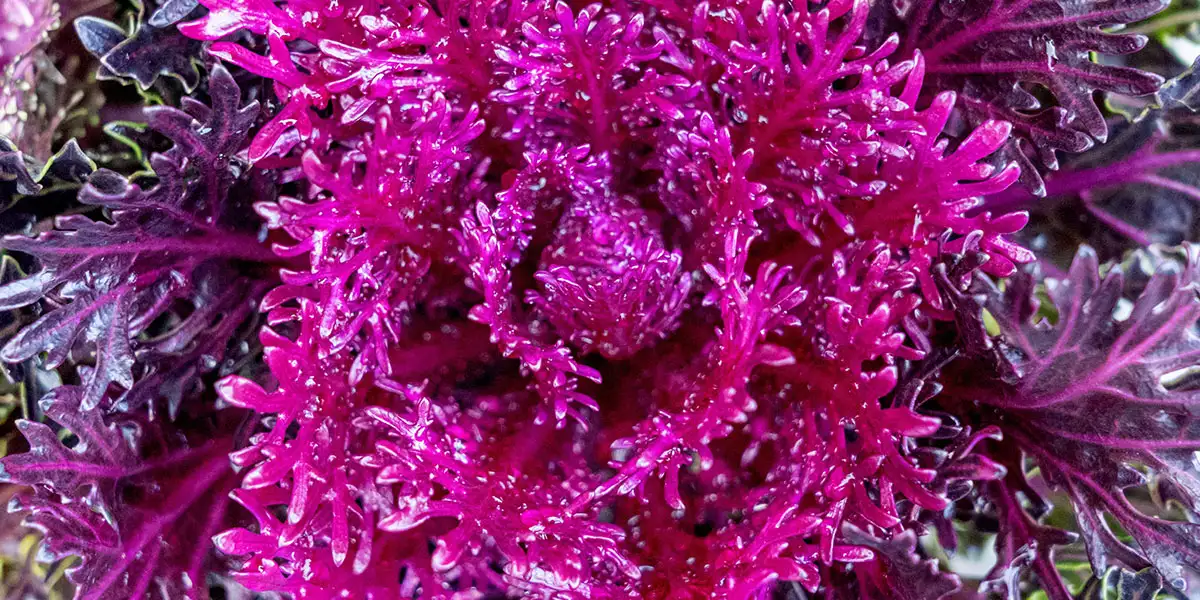
One of the first things people notice about ornamental kale and cabbage is their flower-like appearance. Look closely, though, and you’ll discover that those colorful “petals” are actually leaves.
Ornamental kale and cabbage belong to the same species, Brassica oleracea, as several familiar vegetables, including cabbage, broccoli, cauliflower, and many types of kale. Plant breeders selected ornamental forms for colorful foliage, interesting leaf shapes, and attractive growth habits rather than for their qualities on the dinner plate.
So, what’s the difference between ornamental kale and ornamental cabbage?
The names are based largely on appearance. Plants sold as ornamental cabbage generally have broader, smoother leaves, while those called ornamental kale typically have curly, ruffled, fringed, or deeply cut leaves. Botanically, the distinction is not as dramatic as the names make it sound.
Both are excellent choices for fall.
Cooler Weather Brings Out Their Best Colors
Here’s one of the most interesting things about ornamental kale and cabbage: cool weather is part of the show.
During warmer weather, plants may be mostly green and relatively understated. Once cool nights arrive though, the centers begin developing their characteristic white, pink, red, or purple coloring. It’s cool night temperatures that cause chlorophyll in the central leaves to diminish, allowing the other colors to become more visible. Strong coloration can develop over several weeks of cool weather.
That means a plant that looks attractive when you bring it home can become even more dramatic as autumn progresses.
Temperatures below about 50°F encourage especially vivid coloration. Once properly acclimated, ornamental kale and cabbage can also tolerate considerably colder weather than many traditional annuals.
This cool-weather personality is a major advantage in fall landscapes. Rather than immediately losing their appeal after the first chilly nights, ornamental kale and cabbage can keep providing color after some warmer-season plants have finished.
Why We Love Them for Fall Gardens
Ornamental kale and cabbage have much more going for them than cold tolerance.
They provide incredible texture.
Fall gardens can contain plenty of color, but texture is what keeps a planting from looking flat.
A ruffled ornamental kale adds movement and detail. Smooth-leaved ornamental cabbage creates bold, rounded shapes. Feather-leaved selections can have an almost lacy appearance.
Place several together, and you can create a display that looks interesting from across the yard as well as up close.
Their colors work beautifully with autumn favorites.
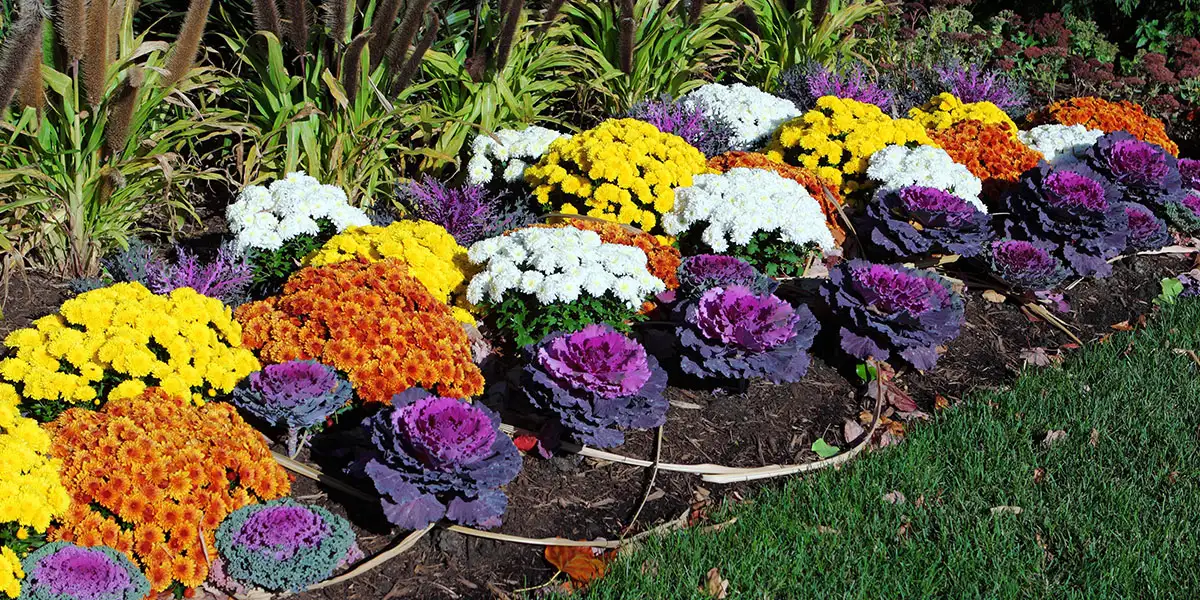
Purple ornamental kale beside orange pumpkins is an instant fall combination.
Creamy white varieties look elegant alongside burgundy foliage, ornamental grasses, pansies, or evergreen branches. Pink-centered ornamental cabbages can soften traditional orange-and-yellow fall color schemes.
Because the outer leaves are often blue-green or green, these plants also act as a natural bridge between colorful flowers and the permanent greenery already in your landscape.
They offer long-lasting interest.
A flower may fade, but ornamental kale and cabbage rely primarily on foliage for their display.
That gives them tremendous staying power during fall. Again, their color may intensify after weather that causes many traditional flowering plants to lose some of their display.
For homeowners who want an attractive entrance, patio, walkway, or garden bed without constantly replacing plants, that longevity is a real benefit.
They Bring Container Magic
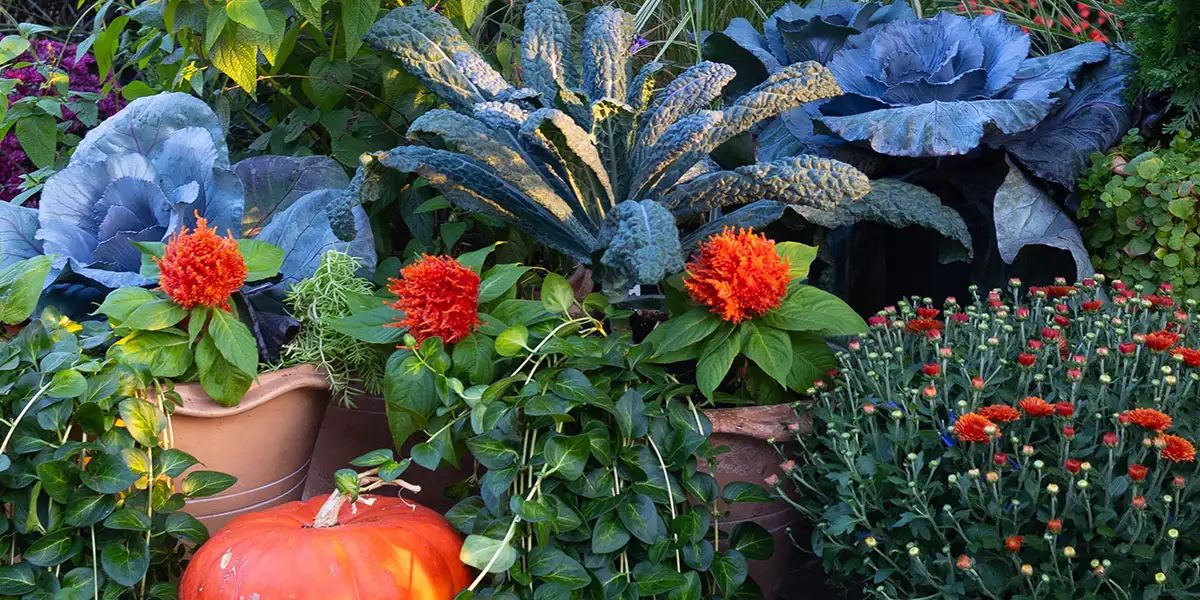
Ornamental kale and cabbage are natural container plants. One large specimen can serve as the centerpiece of a pot, particularly when surrounded by smaller cool-season plants. A grouping of several ornamental kales can also make a dramatic statement all by itself.
Try pairing them with plants such as:
- pansies and violas
- celosia
- snapdragons
- ornamental grasses
- sedges
- heucheras
- asters
- cold-tolerant herbs
- trailing foliage plants
For an easy autumn display, start with one substantial ornamental cabbage in the center of a container and surround it with pansies or violas. Add a few small pumpkins near the base of the pot, and you have an arrangement that feels unmistakably seasonal.
Want something more sophisticated? Combine a white-centered ornamental cabbage with silvery foliage and deep burgundy accents.
Prefer lots of drama? Pair purple kale with orange pansies, golden grasses, or pumpkins.
Garden Beds Have a Second Season
Ornamental kale and cabbage are also excellent problem-solvers in the landscape.
By late summer, there always seems to be a spot where an annual has finished flowering, something has become leggy, or a container simply needs refreshing. Instead of accepting an empty space until spring, tuck in ornamental kale or cabbage.
They are especially effective when planted in groups.
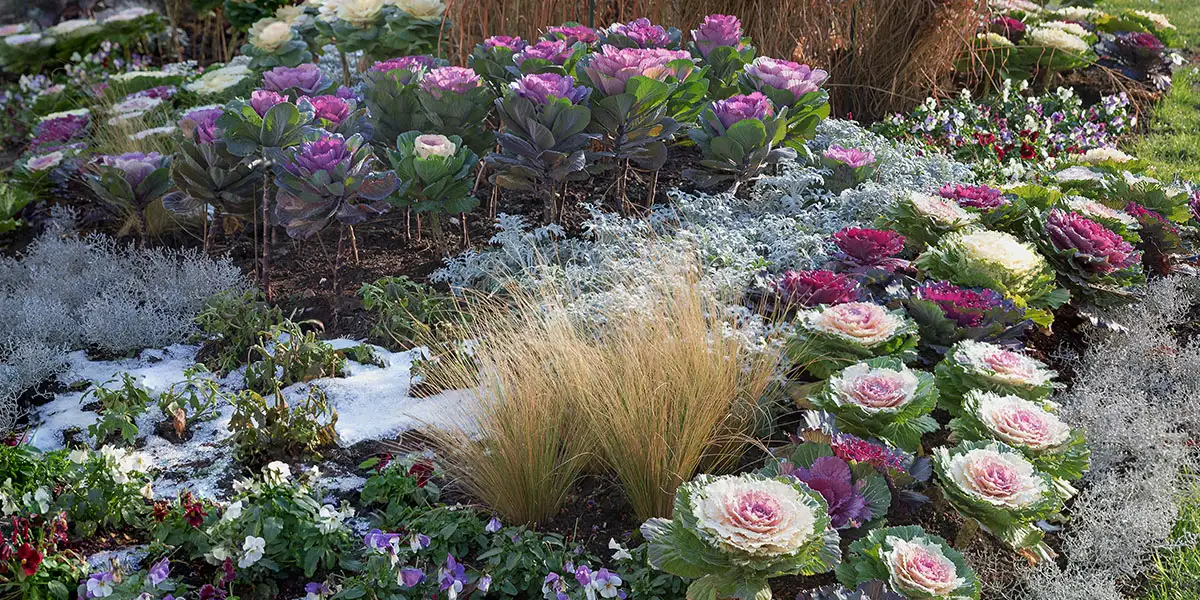
A single plant can be attractive, but a mass of five, seven, or more creates a strong block of fall color. Repeating the same variety along a walkway or across the front of a garden bed gives the landscape a polished, intentional appearance.
You can also alternate colors. Imagine creamy white and rich purple rosettes repeating along an entrance path or surrounding a group of pumpkins.
Because many ornamental forms stay relatively compact, they work nicely toward the front of beds where their intricate foliage can be appreciated.
Ornamental Kale and Cabbage Care
These plants are wonderfully rewarding when their basic needs are met.
Light: Choose a location with plenty of sun. Ornamental kale and cabbage generally perform best in a sunny setting, particularly during the cool fall growing season.
Soil: Plant them in fertile, well-drained soil that holds consistent moisture without remaining waterlogged.
If you’re planting in containers, make sure the pot has drainage holes. Fall temperatures may be cooler, but roots still need oxygen and good drainage.
Water: Don’t stop watering simply because summer has ended.
Ornamental kale and cabbage prefer consistent moisture, and water stress can lead to yellowing or dropping lower leaves. Check container plants regularly because (as we all know) pots can dry more quickly than garden soil, especially during sunny or windy fall weather.
Water thoroughly when needed rather than giving the plants frequent tiny sips.
Planting: When installing ornamental kale or cabbage, the lowest leaves should sit close to the soil surface. If the stem is somewhat elongated, it can be planted slightly deeper for added stability.
Give plants enough room for their mature rosettes to show. Crowding them together may hide their beautiful shape and can restrict airflow.
Fertilizing: Rich soil supports healthy growth, but ornamental kale and cabbage generally don’t need to be pushed into excessive leafy growth once their fall color begins developing. Commercial growers actually reduce fertilization as coloration begins because excessive nitrogen can interfere with strong color development.
For home gardens, starting with healthy soil and following fertilizer recommendations based on the plants and growing conditions is usually the best approach.
Yes, They Are Related to the Kale in Your Kitchen
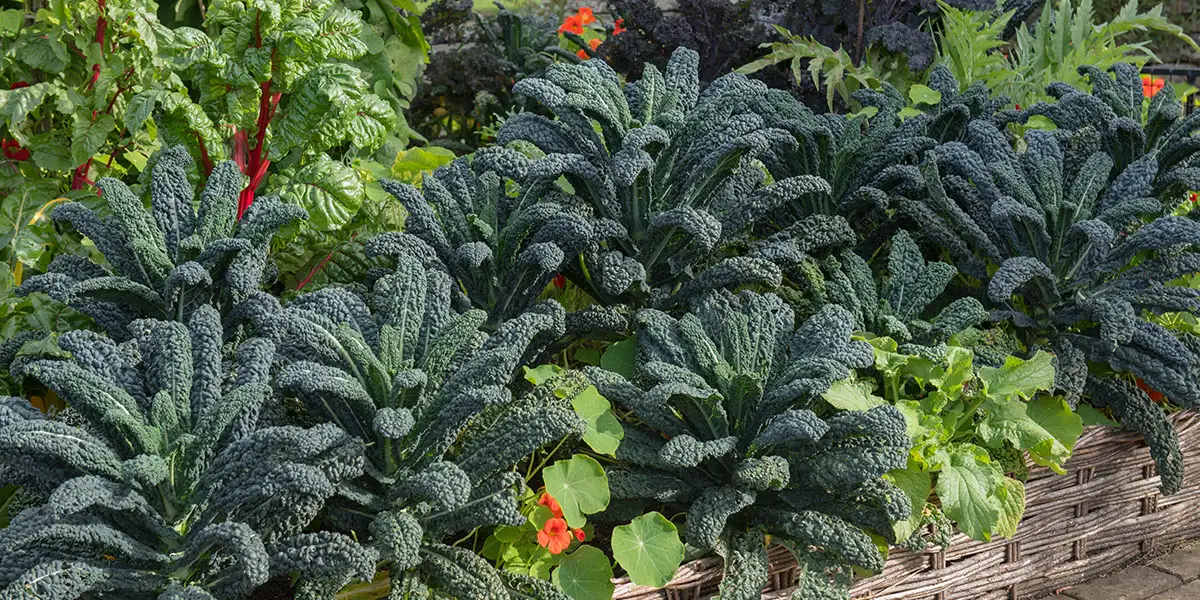
Here’s a fun fact you can use to impress your neighbors: ornamental kale and cabbage are technically edible.
That doesn’t necessarily mean you will want them for dinner! Ornamental selections have been bred primarily for looks and may be more bitter than varieties developed specifically for eating.
There’s another important consideration. Plants produced specifically for ornamental use may have been grown with treatments that are not intended for food crops. If you want kale or cabbage for eating, choose plants specifically sold and grown for edible use.
For ornamental varieties, we recommend enjoying the spectacular foliage with your eyes!
Find Your Fall Favorites at Bountiful Acres
Late summer is a wonderful time to start thinking about how your garden, patio, porch, and containers will transition into fall.
Stop by Bountiful Acres in Bucks County to explore our seasonal plant selection and see which ornamental kales and cabbages catch your eye. Whether you’re refreshing one porch pot or creating an entirely new fall display, our friendly and knowledgeable team is happy to help you choose plants and combinations that will look beautiful as the season changes.
(By the by, if you prefer someone else put things together, we can take care of your garden beds or create lovely fall custom containers for you.)
Sometimes the end of summer doesn’t have to mean the end of garden color.
With ornamental kale and cabbage, cooler weather can be when the show really begins.