
September brings a welcome shift to Bucks County gardens. The afternoons may still feel like summer, but cooler mornings, earlier sunsets, and the first hints of fall color make working outdoors much more comfortable.
This is an excellent month for refreshing tired containers, repairing summer-stressed lawns, adding trees and shrubs, dividing crowded perennials, and preparing for next spring. Pollinators are still active, vegetables are still producing, and recently planted landscapes still need consistent attention.
There’s no need to complete everything on your September yard and garden to-do list in one weekend. Walk through your outdoor spaces, notice what needs help, and choose the projects that will make the biggest difference. September gardening is less about putting the landscape to bed and more about helping it finish the growing season well.
- Plant Trees, Shrubs, and Hardy Perennials
- Repair Thin or Tired Lawns
- Give Containers a Fall Refresh
- Divide and Relocate Crowded Perennials
- Keep the Vegetable Garden Productive
- Plan and Purchase Spring-Flowering Bulbs
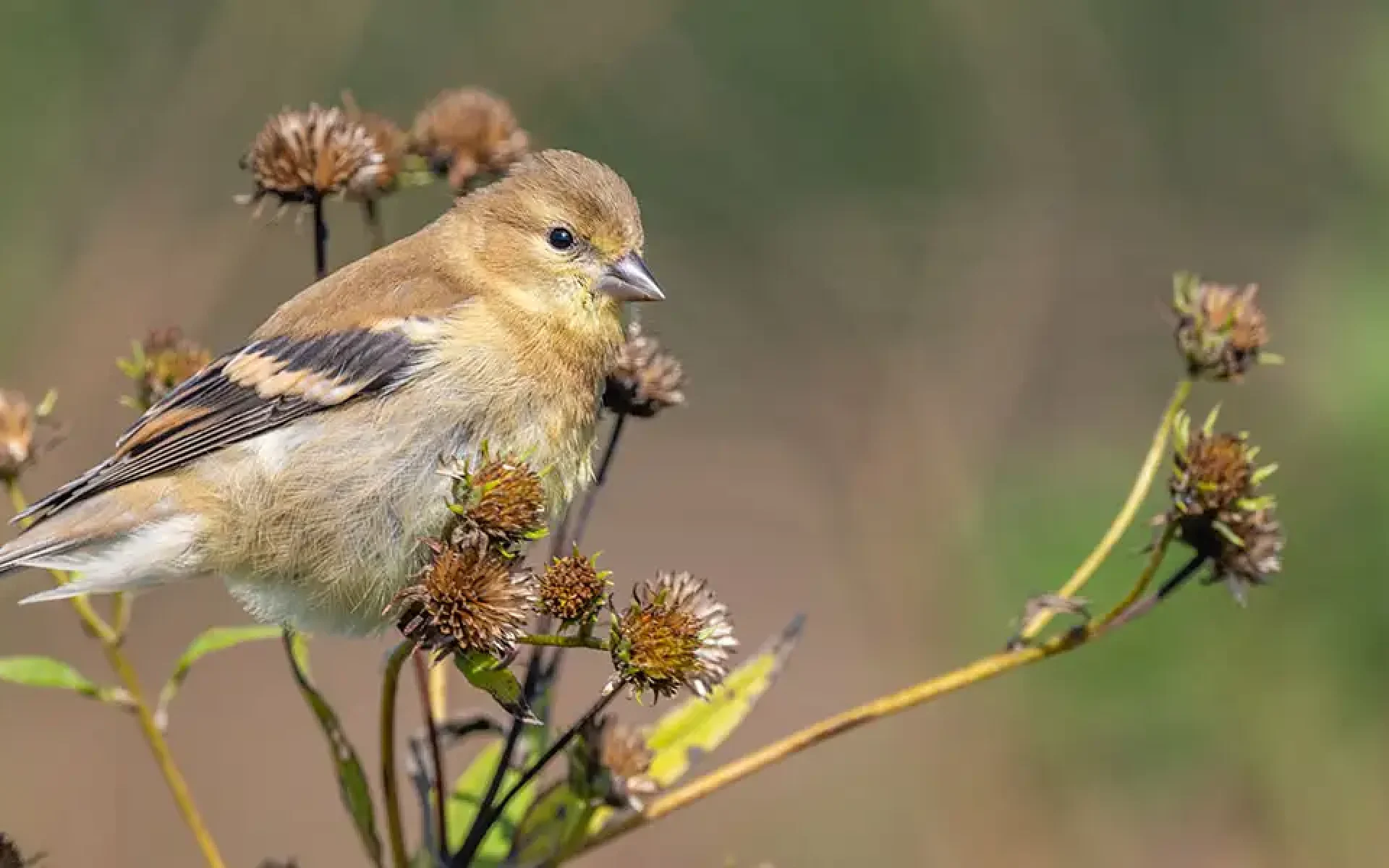
- Feed Pollinators and Leave Some Seedheads
- Continue Watering Trees, Shrubs, and Containers
- Clean Up Selectively and Take Notes
1. Plant Trees, Shrubs, and Hardy Perennials
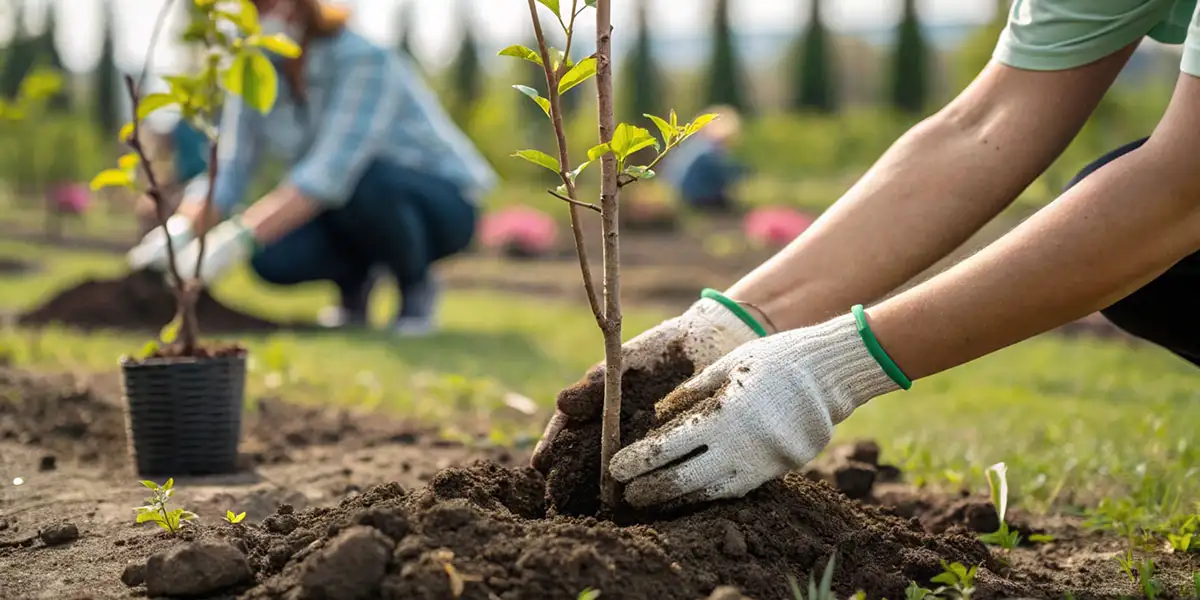
September’s cooler temperatures make planting more pleasant for gardeners and less stressful for many plants. Trees, shrubs, and hardy perennials planted in early fall have an opportunity to begin establishing roots before winter.
To do:
Choose plants suited to the site’s sunlight, soil, drainage, and available space.
Dig a planting hole that is wider than the root ball, but no deeper.
Locate the tree’s root flare before planting.
Loosen circling roots on container-grown plants.
Water thoroughly after planting.
Add two to three inches of mulch over the root zone.
Keep mulch away from trunks and plant crowns.
Continue checking soil moisture throughout fall.
Trees and shrubs can transform a property by adding shade, privacy, seasonal color, flowers, fruit, and habitat. Consider serviceberry (Amelanchier canadensis), red chokeberry (Aronia arbutifolia), winterberry holly (Ilex verticillata), Virginia sweetspire (Itea virginica), or oakleaf hydrangea (Hydrangea quercifolia).
Don’t choose a plant based only on how it looks at the garden center! Think about its mature size and whether it will eventually crowd a walkway, cover a window, interfere with utility lines, or outgrow the bed.
Container-grown trees, shrubs, and hardy perennials can be planted in early to mid-fall, but they need enough time and moisture to begin establishing roots. Penn State Extension recommends continuing to check newly planted material weekly and watering when the soil is dry.
2. Repair Thin or Tired Lawns
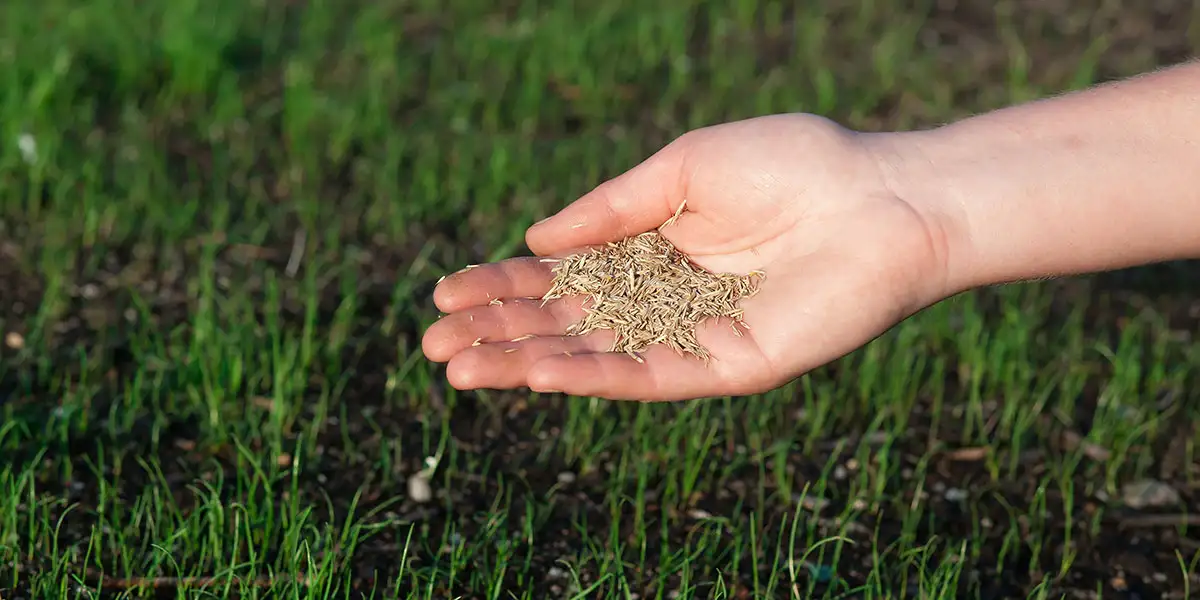
Summer heat, drought, insects, diseases, pets, and heavy foot traffic can leave lawns looking thin by September. Fortunately, late summer and early fall are generally the best times to seed cool-season lawns in Pennsylvania.
To do:
Rake away dead grass and loose debris.
Loosen the soil in bare areas.
Correct drainage or compaction problems before seeding.
Select a high-quality seed mixture for the site.
Spread seed evenly.
Ensure the seed has good contact with the soil.
Keep newly seeded areas consistently moist.
Limit foot traffic while seedlings become established.
Common cool-season lawn grasses include tall fescue, Kentucky bluegrass, perennial ryegrass, and fine fescues. The right choice for you depends on sunlight, soil conditions, maintenance expectations, and how your lawn is used.
Don’t simply scatter seed over hard soil and hope for the best. Grass seed needs soil contact and dependable moisture to germinate successfully. Large bare areas may also indicate an underlying issue, such as dense shade, poor drainage, compacted soil, or repeated pet damage.
Late summer through early fall is a great time for seeding because seedlings face less weed competition and have fall and spring to establish before the next period of summer stress.
3. Give Containers a Fall Refresh
September containers do not need a total overhaul, but a few strategic changes can carry them beautifully into fall. Start by removing plants that are crispy, diseased, overgrown, or no longer flowering.
To do:
Remove spent summer annuals.
Trim healthy plants that have become leggy.
Check drainage holes for roots or debris.
Replace exhausted potting mix near the surface.
Add fresh seasonal plants.
Continue watering during warm or windy weather.
Move containers to visible fall gathering areas.
Avoid crowding plants too tightly.
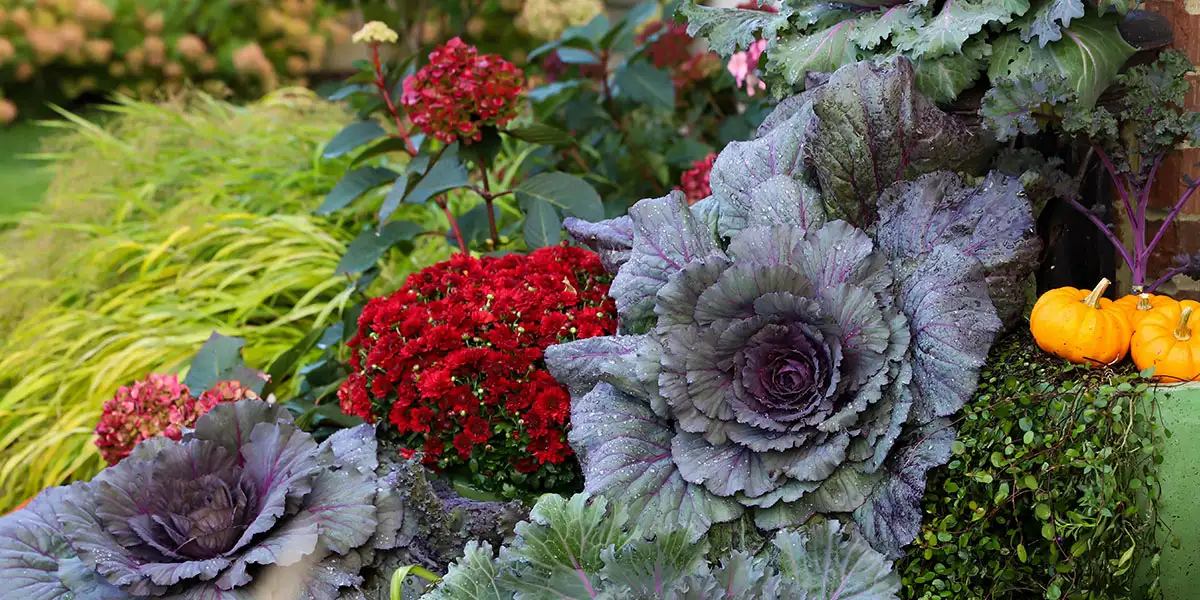
For dependable fall color, consider garden mums (Chrysanthemum × morifolium), pansies, ornamental peppers, ornamental cabbage and kale, coral bells (Heuchera spp.), sedges (Carex spp.), and New England aster (Symphyotrichum novae-angliae).
You may not need to remove every summer plant. Coleus, sweet potato vine , fountain grass, and Madagascar periwinkle can continue looking attractive until cold weather arrives.
Combine fall flowers with foliage, grasses, branches, pumpkins, or gourds for a layered display. A refreshed container near the front entrance, patio, or driveway can make the entire property feel ready for the new season.
4. Divide and Relocate Crowded Perennials
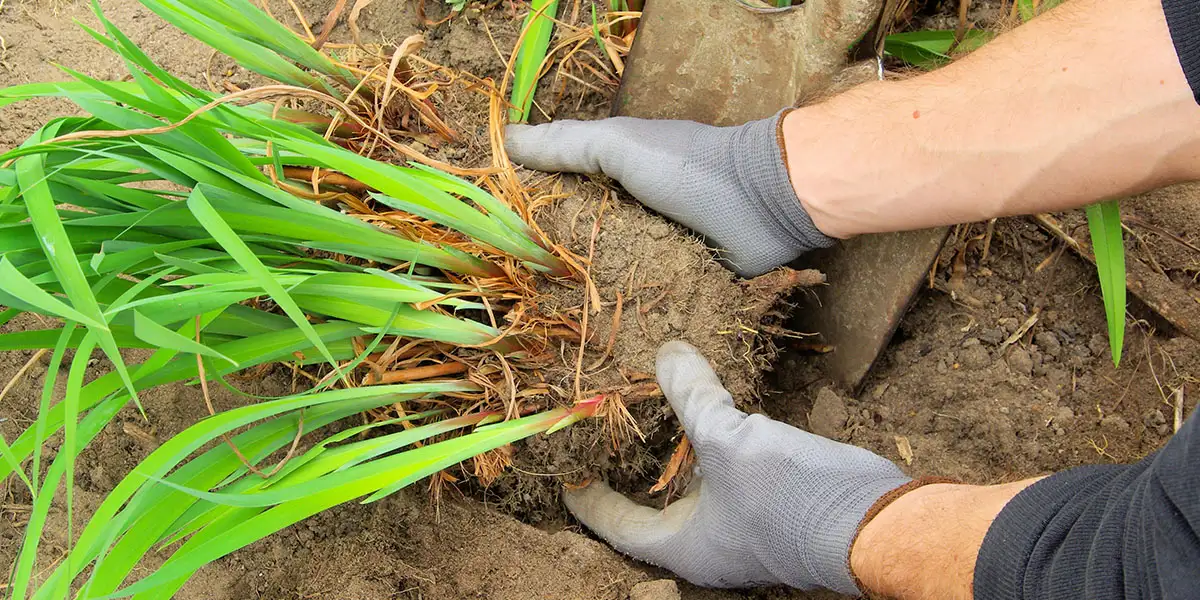
September is a useful time to evaluate perennial beds. Plants that have become crowded, developed bare centers, stopped flowering well, or spread beyond their intended space may benefit from division.
To do:
Divide on a cool or cloudy day.
Water plants before digging if the soil is dry.
Lift as much of the root system as possible.
Remove dead or weak portions.
Replant healthy divisions promptly.
Match the plant’s previous growing depth.
Water thoroughly after replanting.
Share extra divisions with friends or neighbors.
Good candidates for this may include daylily, hosta, garden phlox (Phlox paniculata), bee balm (Monarda didyma), and Siberian iris.
Avoid dividing a plant simply because the calendar says it is time. Healthy clumps that are flowering well and staying within their space can remain undisturbed. Plants that are blooming now are usually better divided during another appropriate season.
Division can rejuvenate older clumps, control vigorous growers, and create additional plants for other parts of your property. After replanting, monitor soil moisture carefully because the disturbed root systems will dry more quickly.
5. Keep the Vegetable Garden Productive
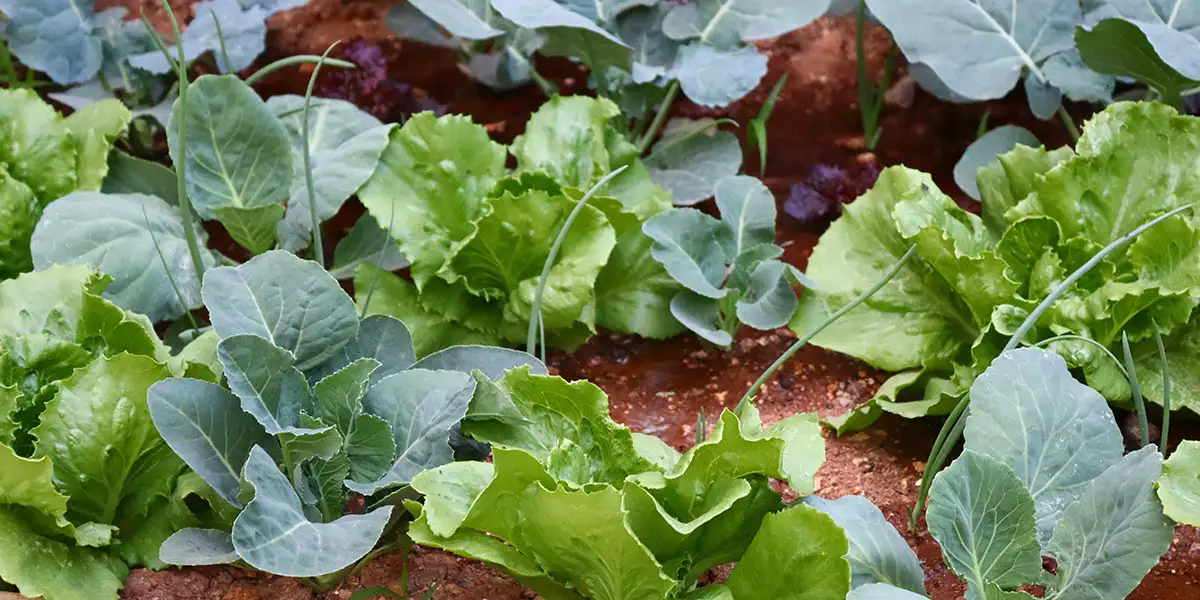
September can still be a productive month in the Bucks County vegetable garden. Warm-season crops may continue producing, while quick-growing cool-season vegetables can provide another round of harvests.
To do:
Harvest tomatoes, peppers, beans, and squash regularly.
Remove damaged or rotting produce from the ground.
Check plants for insects and diseases.
Pull weeds before they produce seed.
Remove plants that have stopped producing.
Sow quick-maturing cool-season crops.
Prepare row covers for chilly nights.
Add compost to empty areas.
Possible fall crops include lettuce, radish, spinach, arugula, and kale. Read the seed packet’s days-to-maturity information and remember that growth slows as daylight decreases.
A lightweight row cover, low tunnel, cold frame, or cloche can help protect tender seedlings and extend the harvest. Keep covers from pressing directly against delicate foliage, and uncover crops when ventilation or pollination is needed.
Remove visibly diseased vegetable plants rather than leaving them in the garden. Healthy plant material can be composted, while diseased debris may need to be discarded to reduce the chance of problems carrying into another season. Penn State Extension also recommends cover crops for empty vegetable beds because they can protect soil, suppress winter weeds, and conserve moisture.
6. Plan and Purchase Spring-Flowering Bulbs
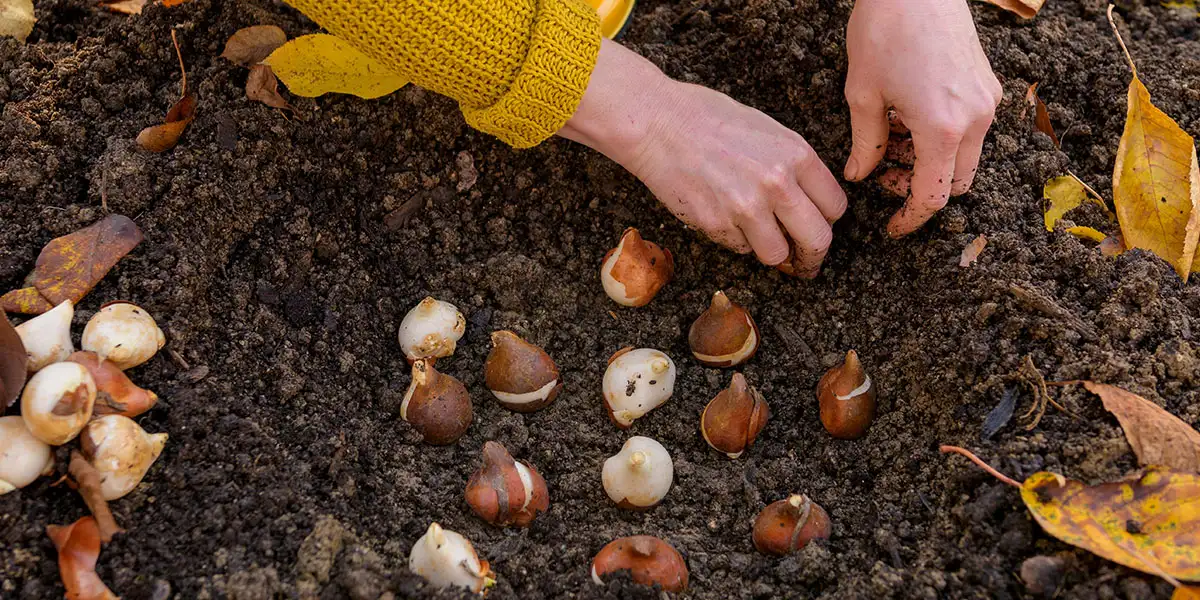
Spring may feel far away, but September is the month to start planning for daffodils, tulips, crocuses, and ornamental onions. Purchasing bulbs early provides the best opportunity to find favorite colors, unusual varieties, and enough bulbs for a generous display.
To do:
Identify areas that need early spring color.
Choose bulbs that are firm and free from mold.
Group bulbs for a more noticeable display.
Select locations with good drainage.
Mark areas where bulbs are already planted.
Store unplanted bulbs in a cool, dry, ventilated place.
Wait for cooler soil before planting.
Protect vulnerable bulbs where animal digging is common.
Popular choices include daffodil, tulip, crocus, ornamental onion, grape hyacinth , and glory-of-the-snow (Scilla forbesii).
Plan combinations that bloom at slightly different times to extend the display. Bulbs also look more natural when planted in clusters or broad sweeps rather than in a single-file row.
Don’t plant in low areas that stay wet after rain. Most spring-flowering bulbs perform best in well-drained soil because prolonged wet conditions can encourage rotting.
7. Feed Pollinators and Leave Some Seedheads
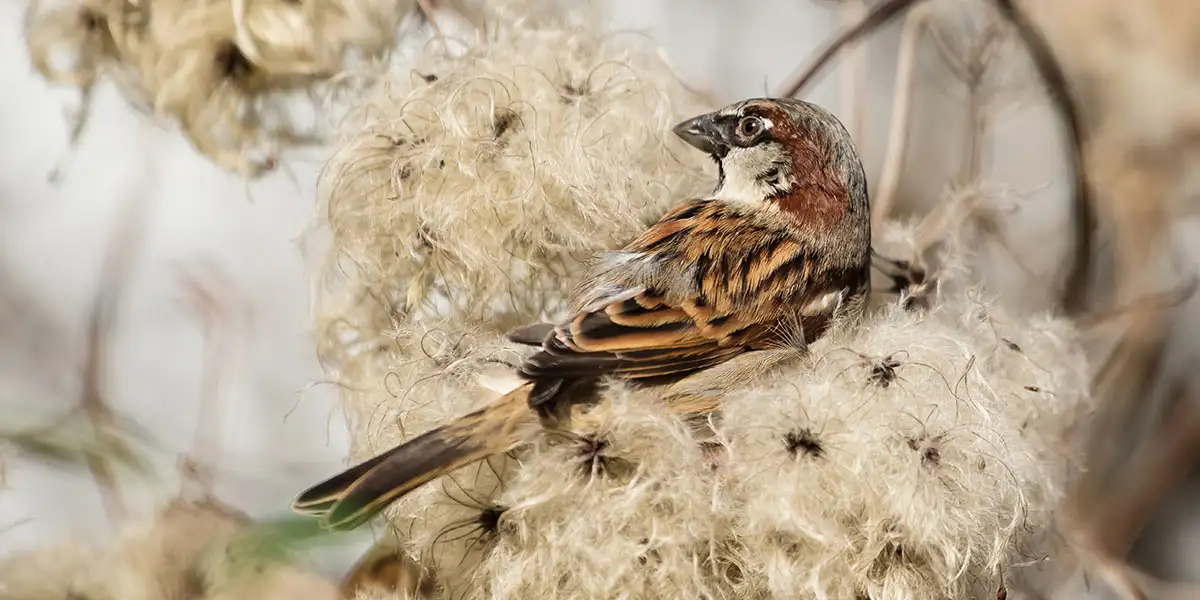
September gardens are still busy with bees, butterflies, moths, and other beneficial insects. Late-blooming plants provide valuable nectar and pollen when many summer flowers are beginning to fade.
To do:
Keep healthy late-season flowers standing.
Avoid broad, unnecessary pesticide applications.
Leave some seedheads for birds and winter interest.
Allow healthy stems to remain in selected areas.
Move clean fallen leaves into garden beds.
Add late-blooming native perennials where color is lacking.
Provide a shallow, dependable water source.
Observe which flowers attract the most activity.
Valuable late-season plants include New England aster (Symphyotrichum novae-angliae), aromatic aster (Symphyotrichum oblongifolium), goldenrod (Solidago spp.), sneezeweed (Helenium autumnale), spotted Joe-Pye weed, and stonecrop .
As visitors to our butterfly atrium know, supporting butterflies involves more than planting a few flowers. A welcoming landscape provides nectar, host plants, water, shelter, and places for insects to complete different parts of their life cycles.
Resist the urge to cut every perennial to the ground as soon as its flowers fade. Healthy stems, seedheads, and leaf litter can provide nesting or overwintering habitat, while also adding texture to the winter garden.
8. Continue Watering Trees, Shrubs, and Containers
Cooler weather does not automatically mean plants have enough moisture. September can bring stretches of warm, dry, or windy weather, and newly planted material is especially vulnerable.
To do:
Check the soil beneath mulch before watering.
Water newly planted trees and shrubs deeply.
Pay attention to evergreens.
Check containers frequently.
Water early in the day when possible.
Direct water toward the root zone.
Avoid frequent, shallow sprinkling.
Adjust irrigation systems as weather changes.
Deep watering encourages roots to grow into the surrounding soil. A slow hose, watering wand, soaker hose, or properly positioned watering bag can deliver moisture without creating excessive runoff.
Container plants may dry out faster than garden beds, particularly when they’re filled with mature roots. Conversely, a pot without adequate drainage can remain dangerously wet during periods of heavy rain. Always check the soil rather than watering automatically.
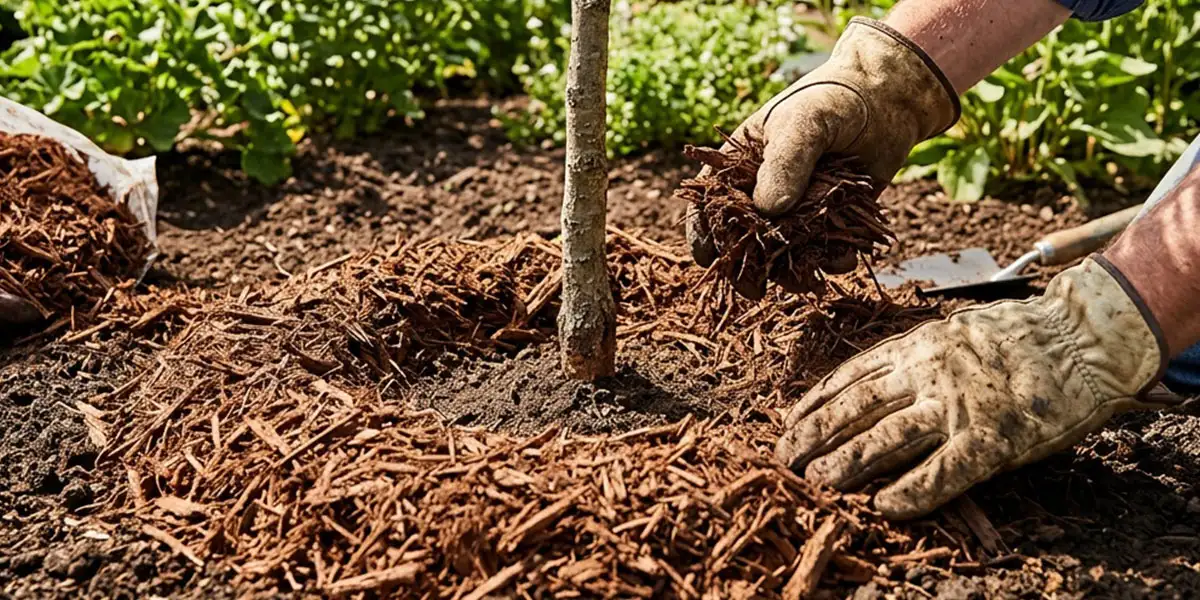
Continue monitoring recently planted landscapes until the ground freezes. A layer of organic mulch can help conserve moisture, but it should never be piled against a trunk or formed into a mulch volcano. (Think “doughnut” rather than “cupcake”!)
9. Clean Up Selectively and Take Notes
September cleanup should be thoughtful rather than aggressive. The goal is to remove genuine problems while preserving healthy plants, wildlife habitat, and seasonal beauty.
To do:
Remove diseased leaves and stems.
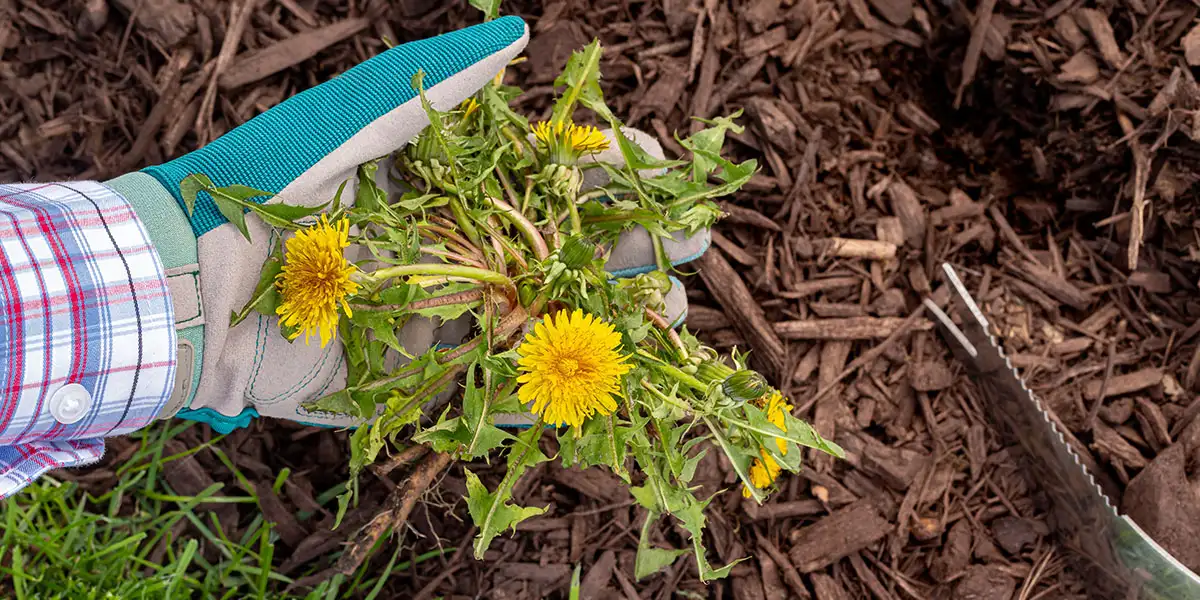
Pull weeds before they set seed.
Clear slippery debris from steps and walkways.
Edge beds where grass has spread.
Clean and sharpen hand tools.
Photograph successful plant combinations.
Note empty spaces and problem areas.
Label plants before foliage disappears.
Leave attractive seedheads, ornamental grasses, and healthy perennial stems standing where practical. Coneflower (Echinacea spp.), black-eyed Susan (Rudbeckia spp.), switchgrass, and little bluestem can provide structure long after their peak growing season.
Fallen leaves are also a useful garden resource. Shredded leaves can be added to garden beds or compost piles instead of being treated entirely as waste. Avoid leaving thick, wet mats of whole leaves on the lawn because they can block light and air from reaching the grass.
Finally, write down what worked. September is an ideal time to identify plants that handled summer beautifully, areas that need more shade or privacy, and beds that would benefit from professional redesign. Those notes will be much more helpful than trying to remember everything next spring.
Revel in the Beginning of Fall in Bucks County
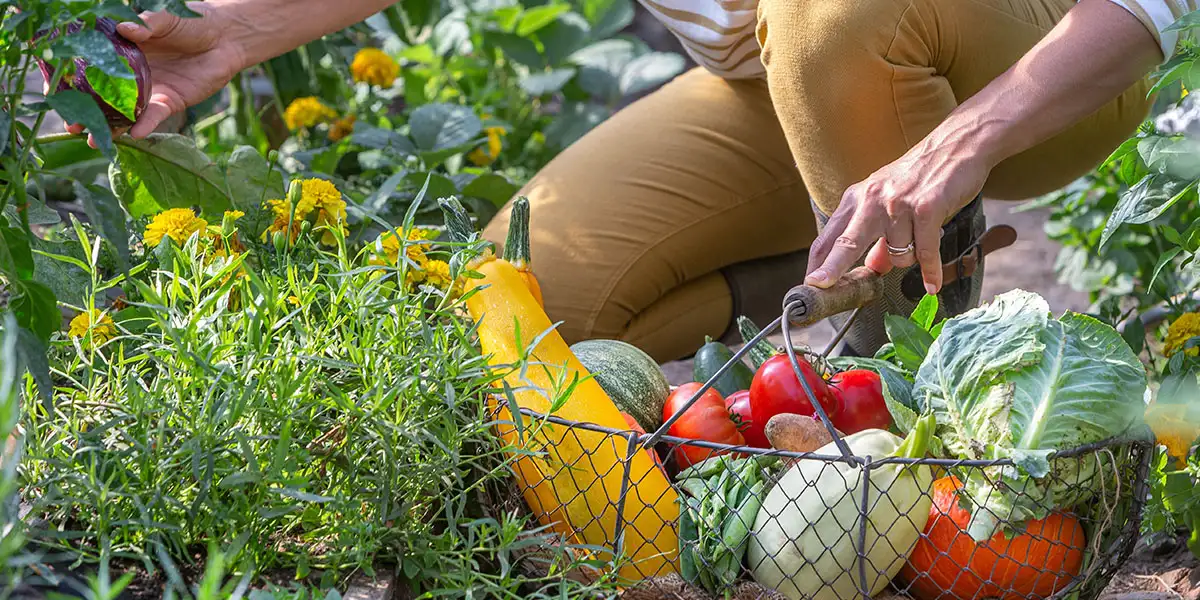
September gives gardeners a little of everything: summer flowers, fall color, vegetable harvests, comfortable planting weather, and the promise of next spring.
Whether your priority is planting an exceptional new tree, refreshing the front entrance, repairing the lawn, creating more pollinator habitat, or planning a complete landscape transformation, Bountiful Acres is here to help. Our knowledgeable, patient, and friendly team can help you select high-quality plants that are well suited to your property, and our landscaping team can help bring larger outdoor projects to life. And don’t forget, we also offer holiday lighting services and seasonal inspiration!
Take advantage of September’s comfortable days. A few well-chosen projects now can keep your property beautiful through fall and give next year’s garden a stronger start.