

August in Bucks County is a little bit of everything. It’s hot, golden, buzzing, blooming, ripening, and quietly hinting at fall. The tomatoes are still coming in strong, late-summer flowers are putting on a show, butterflies are busy, and outdoor spaces are still full of cookouts, pool days, porch sitting, and last-minute summer fun.
This is also the month when gardens start telling the truth. The containers that were gorgeous in June may need a rescue. Lawns may look tired. Weeds are racing to set seed. Some shrubs are thirsty, some perennials are floppy, and the vegetable garden may be both overflowing and asking for a second act.
August garden care is not about giving up on summer. It’s about helping your yard finish strong while setting the stage for a beautiful fall.
Use this monthly guide as a practical checklist. Start with water, harvests, pests, and the areas you see every day, then move into planning, planting, and refreshing.
-
- Water Deeply Through Late-Summer Dry Spells
- Keep Containers Colorful and Full
- Harvest Often and Plant a Fall Vegetable Round
- Stop Weeds Before They Go to Seed
- Watch for Late-Summer Pests and Plant Problems
- Support Butterflies, Bees, and Hummingbirds
- Give Lawns a Recovery Plan
- Tidy Perennials Without Stripping the Garden Bare
- Choose Trees and Shrubs for Fall Planting
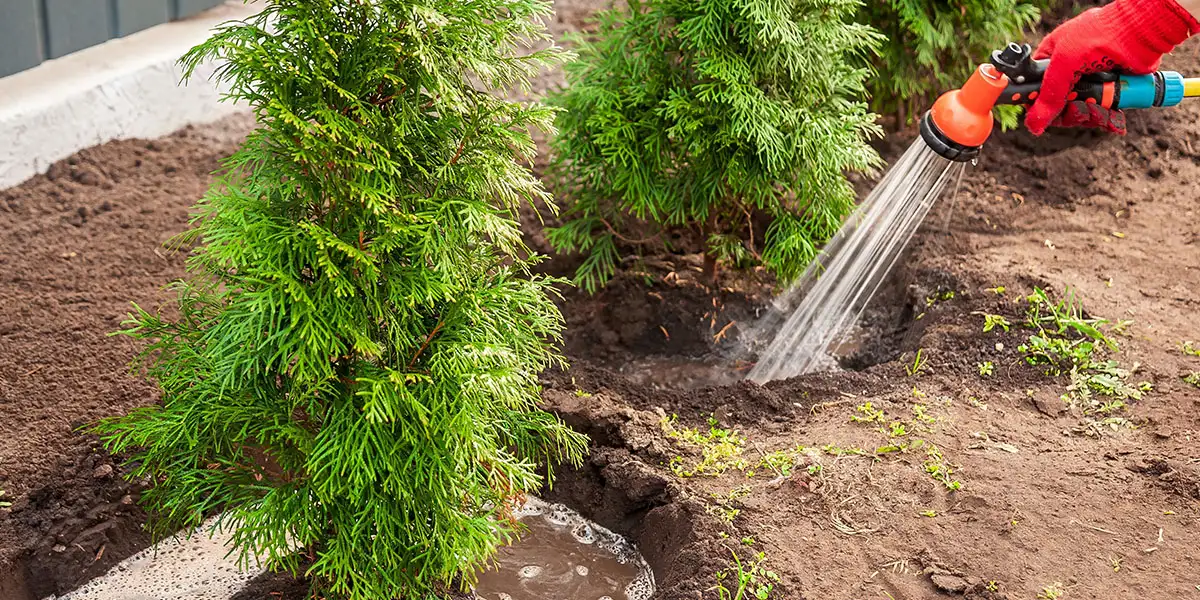
1. Water Deeply Through Late-Summer Dry Spells
By August, many plants have been working hard for months. Even established landscapes can show stress after long stretches of heat, humidity, and uneven rainfall. Newly planted trees, shrubs, perennials, and containers need the closest attention.
To do:
Check soil moisture before watering.
Water early in the morning when possible.
Give new trees and shrubs a slow, deep soak. (Pictured above)
Refresh mulch where soil is exposed.
Keep mulch pulled back from trunks and stems.
Move stressed containers out of harsh afternoon sun.
Check rain totals instead of guessing.
A quick sprinkle may make leaves look happy for a few minutes, but roots need moisture deeper in the soil. For young trees, slow watering matters. Penn State Extension notes that many current recommendations call for about 10 gallons each week, applied as a slow, deep soaking around the root system or root ball.
Watering bags, soaker hoses, drip irrigation, and hose timers can be garden heroes in August. They are especially helpful for busy families, vacation weeks, and new plantings that should not be left to fend for themselves.
Keep an eye on plants near driveways, sidewalks, patios, and reflected heat. These spots dry out quickly. A hydrangea wilting in the afternoon may perk back up by evening, but repeated wilting is a sign that the plant is working too hard.
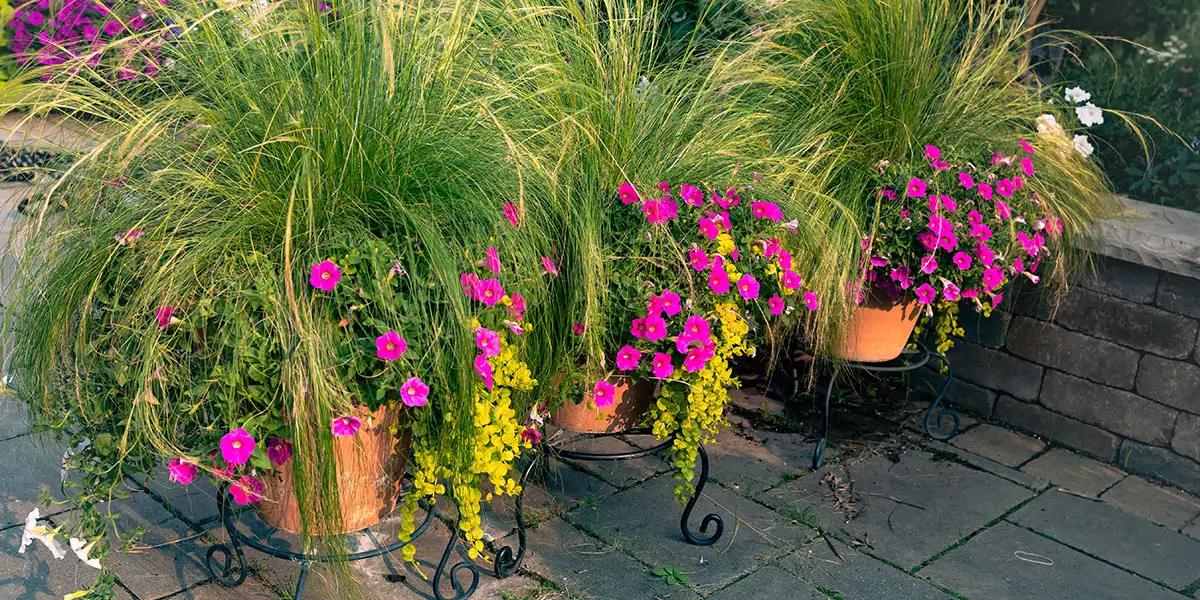
2. Keep Containers Colorful and Full
August containers can still be spectacular. They just need a little encouragement, and sometimes a few fresh faces.
To do:
-
Trim leggy annuals by one-third.
-
Remove crispy leaves and spent flowers.
-
Feed containers according to fertilizer directions.
-
Replace tired plants rather than replanting the whole pot.
-
Add late-summer color near doors, patios, and walkways.
-
Check drainage holes after heavy rains.
-
Water until water runs from the bottom of the pot.
If petunias, million bells (Calibrachoa), or verbena are looking thin, a haircut and feeding can often bring them back. If one plant has completely checked out, swap it for something bold and heat-tolerant.
Great August container refreshers include lantana (Lantana camara), Madagascar periwinkle (Catharanthus roseus), globe amaranth (Gomphrena globosa), Egyptian starcluster (Pentas lanceolata), zinnia, coleus, sweet potato vine, ornamental pepper, and fountain grass (Cenchrus setaceus).
For shade, try begonia, wishbone flower (Torenia fournieri), coleus, caladium, or New Guinea impatiens. A fresh container by the front door can make the whole house feel more cheerful, even if the rest of the garden is in late-summer survival mode.
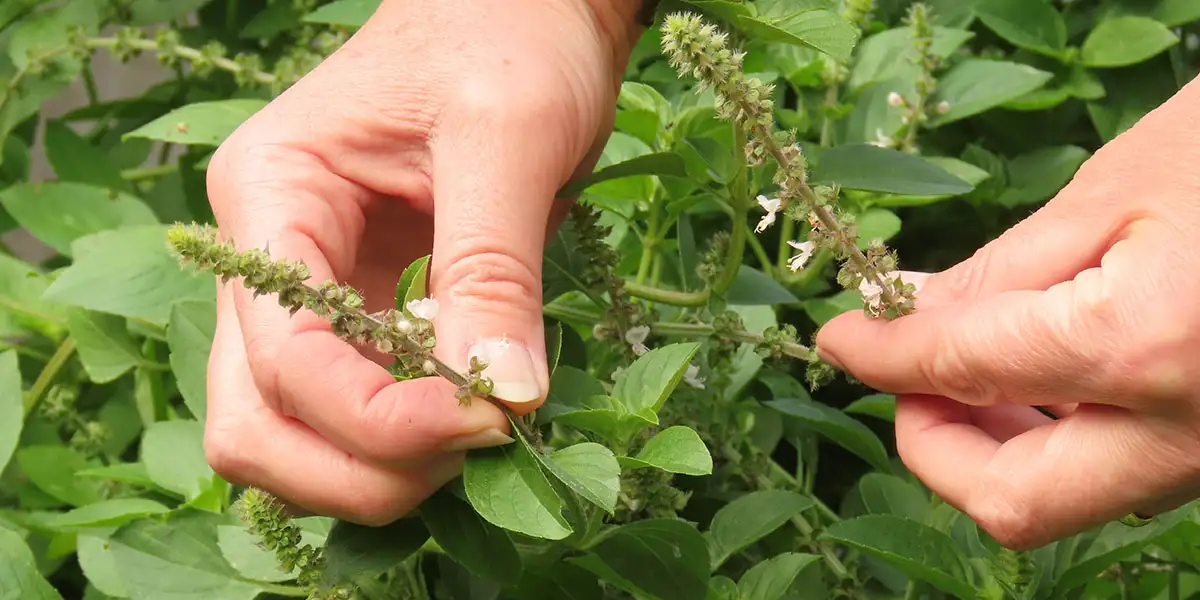
3. Harvest Often and Plant a Fall Vegetable Round
The August vegetable garden is generous, sometimes wildly so. Tomatoes, peppers, cucumbers, eggplants, beans, squash, basil, and other herbs may be producing quickly now. The trick is to keep picking, keep watching, and keep planting where space opens up.
To do:
Pick ripe vegetables regularly.
Harvest cucumbers and squash before they get oversized.
Pinch basil flowers to keep leaves coming. (Pictured above)
Remove diseased tomato leaves from the lower plant.
Pull finished crops and compost healthy debris.
Plant quick fall crops in open spaces.
Keep new seedlings evenly moist.
Cool-season vegetables can be planted later in the season for fall harvests, which are often leafy greens and root crops. Good August options may include lettuce, spinach, kale, arugula, radish, beet, carrot, Swiss chard, turnip, and transplants of broccoli, cabbage, or cauliflower, depending on variety, timing, and weather.
August is also a good month to think like a kitchen gardener. Freeze extra pesto. Share tomatoes with neighbors. Roast peppers. Make refrigerator pickles. Dry herbs. A productive garden should feel like a celebration, not a chore!
If the garden has empty spots you don’t plan to replant, consider sowing a cover crop later in the season. Some home garden cover crops, including clovers and alfalfa, can be planted in August or September.
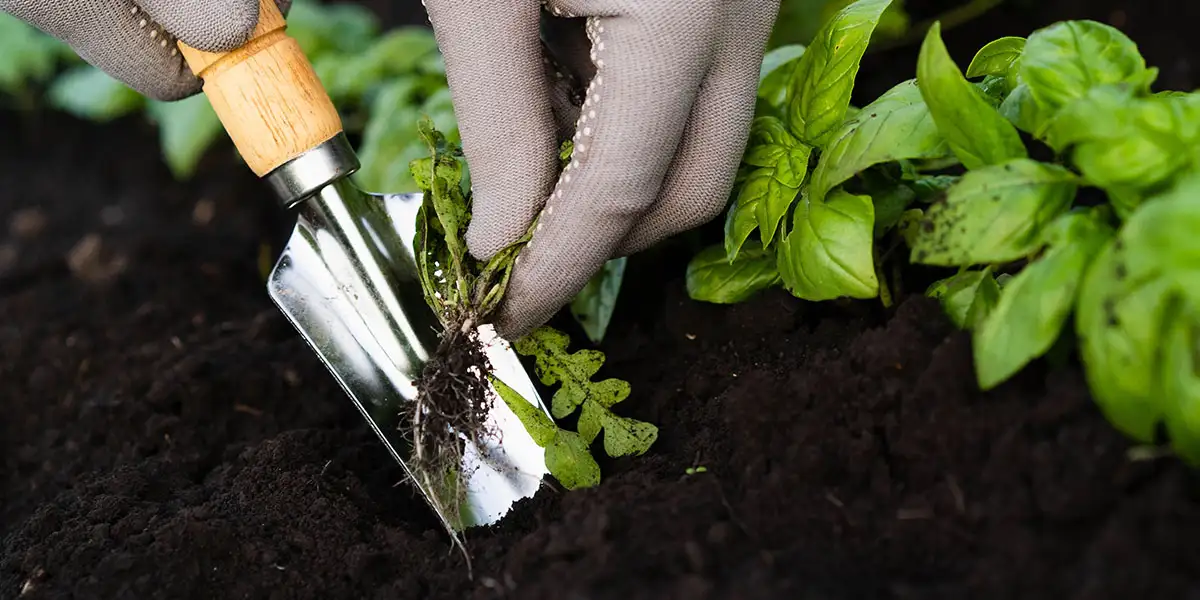
4. Stop Weeds Before They Go to Seed
August weeds are sneaky. They may not bother you much at first, but once they set seed, they are making plans for next year’s garden.
To do:
-
Pull weeds after rain when soil is soft.
-
Remove weeds before they flower or seed.
-
Cut large weeds at ground level if roots are hard to pull.
-
Refresh mulch in thin areas.
-
Edge beds for a cleaner look.
-
Keep weeds away from vegetable plants.
-
Bag weeds with mature seedheads.
Crabgrass, nutsedge, spotted spurge, purslane, and other late-summer weeds can move fast in warm weather. A few minutes here and there makes a big difference, especially around patios, front walks, vegetable beds, and young shrubs.
Mulch is still helpful in August, but avoid piling it too deeply. Keep it light, breathable, and away from plant crowns. Think inflatable pool ring, not volcano.
For a fun family task, hand kids a bucket and offer a “weed bounty” for the biggest weed, the longest root, or the fullest bucket. Not every garden job has to feel serious!
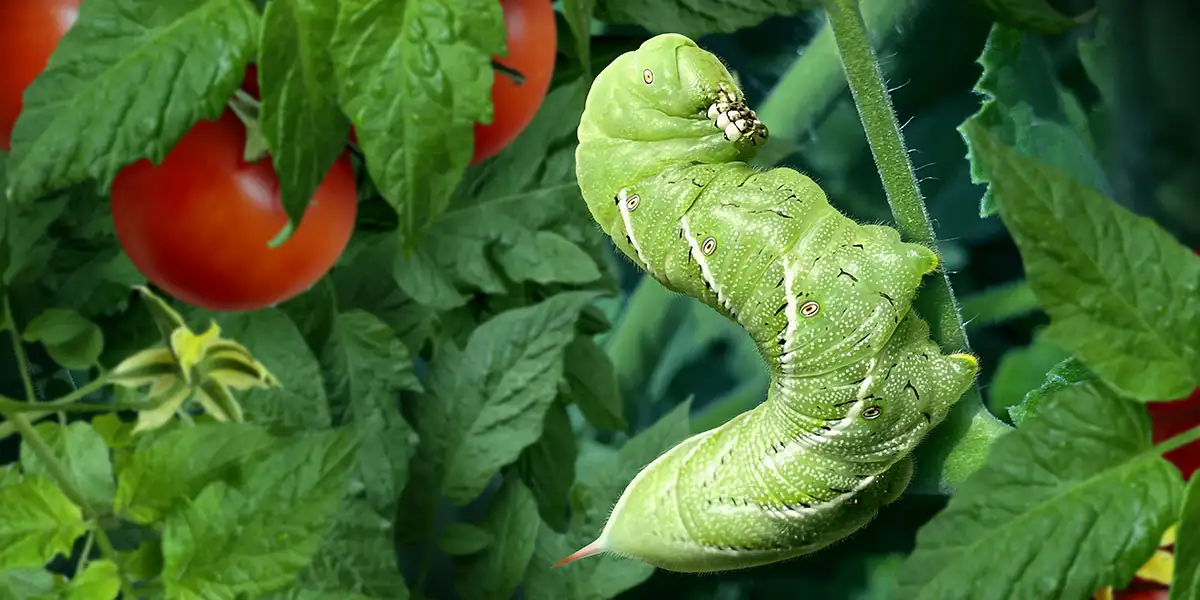
5. Watch for Late-Summer Pests and Plant Problems
August scouting is about noticing problems early. Heat-stressed plants are often more vulnerable, and pests can build quickly when nobody is looking.
To do:
Check the undersides of leaves.
Look for chewed foliage, eggs, webbing, and sticky residue.
Watch tomatoes for hornworms and leaf diseases. (Pictured above)
Inspect squash for squash bugs and vine borer damage.
Monitor roses, fruit trees, vegetables, and young shrubs.
Watch for spotted lanternfly adults.
Avoid spraying flowers when pollinators are active.
Spotted lanternfly deserves continued attention in August. Penn State Extension has put out a spotted lanternfly management guide, and notes that systemic insecticide applications are usually used to target the adult stage, and adults may be easier to reach with direct sprays because many feed on lower portions of trees. Always follow current guidance and product label directions.
Powdery mildew may also show up on garden phlox (Phlox paniculata), bee balm (Monarda didyma), squash, cucumbers, and other plants. Improve airflow where possible, water at the base of plants, and remove badly infected leaves when it makes sense.
Not every bug is a bad bug! In fact, lady beetles, lacewings, bees, butterflies, spiders, and many other tiny beneficial insects are an important part of a healthy garden. When in doubt, be sure to ask before you spray.
6. Support Butterflies, Bees, and Hummingbirds
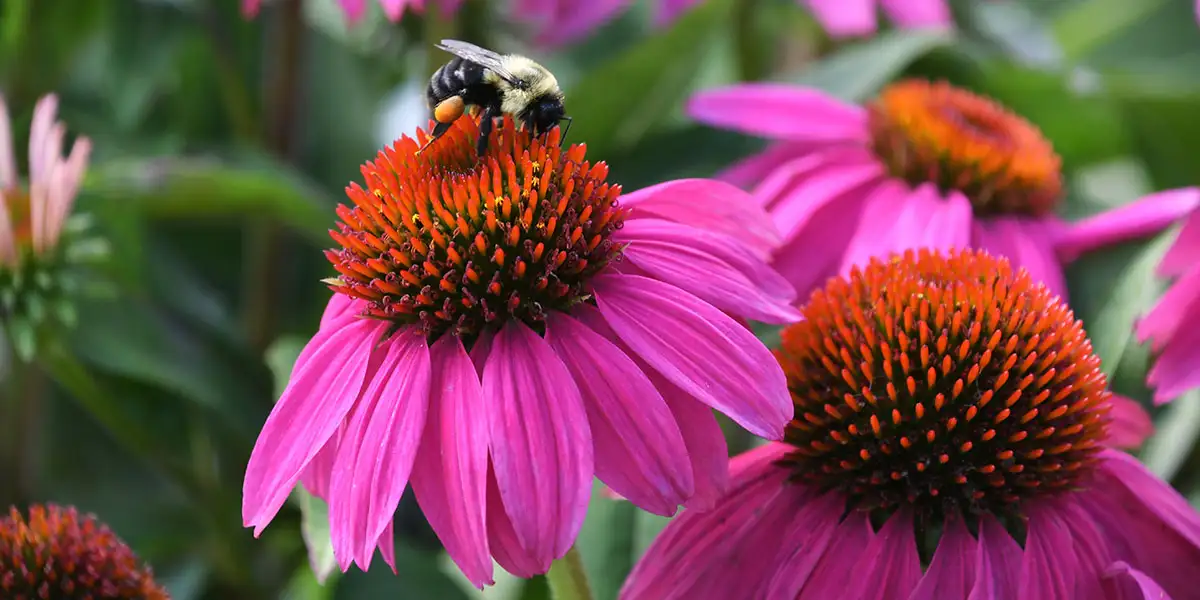
August is a beautiful month for pollinator watching. Butterflies are busy, bees are working late-summer blooms, and hummingbirds are visiting flowers and feeders before their seasonal journey continues.
To do:
-
Keep nectar-rich flowers blooming.
-
Avoid deadheading every seedhead.
-
Add late-season native perennials.
-
Provide shallow water or damp mineral spots for butterflies.
-
Skip pesticides on blooming plants.
-
Plant in groups so pollinators can find flowers easily.
-
Visit the butterfly atrium for inspiration.
Late-summer pollinator favorites include:
- purple coneflower (Echinacea purpurea)
- orange coneflower (Rudbeckia fulgida)
- anise hyssop (Agastache foeniculum)
- dense blazing star (Liatris spicata)
- Joe-Pye weed (Eutrochium purpureum)
- garden phlox (Phlox paniculata)
- New England aster (Symphyotrichum novae-angliae)
- goldenrod (Solidago)
- clustered mountain mint (Pycnanthemum muticum)
Shrubs can help, too. Summersweet (Clethra alnifolia), buttonbush (Cephalanthus occidentalis), panicle hydrangea (Hydrangea paniculata), and rose mallow (Hibiscus moscheutos) bring flowers, structure, and seasonal interest.
Bountiful Acres’ butterfly atrium is a great place to see pollinator magic up close. It’s also a wonderful reminder that a yard can be beautiful for people and welcoming to wildlife.
7. Give Lawns a Recovery Plan
Cool-season lawns often look tired in August. That doesn’t mean they’re ruined. It means they’ve been through summer in Pennsylvania.
To do:
-
Keep mowing high until growth picks up.
-
Sharpen mower blades.
-
Avoid cutting more than one-third of the grass blade.
-
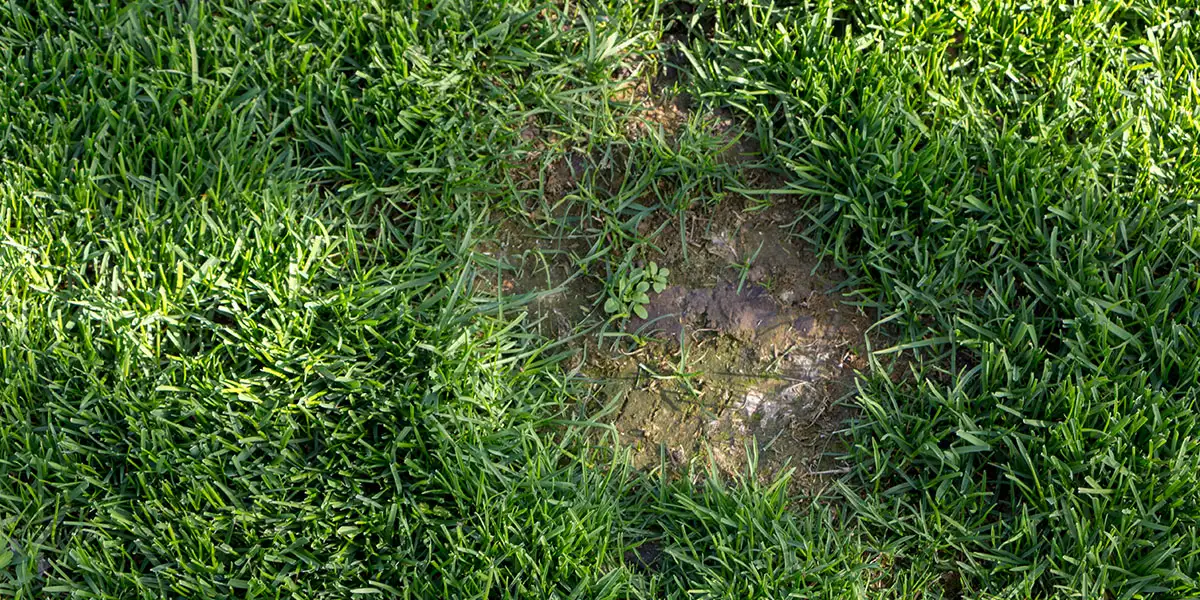
Mark thin or bare spots for repair.
-
Plan aeration and overseeding.
-
Water new seed carefully if you seed late in the month.
-
Hold major renovation for better conditions.
Late summer into early fall is usually one of the best windows for establishing or repairing cool-season lawns in Pennsylvania.
If your lawn has compacted soil, heavy foot traffic, bare patches, or weeds, August is planning time. Take photos. Measure problem areas. Decide whether you need seed, topsoil, compost, aeration, or professional help.
The goal is not instant perfection. The goal is to set the lawn up for strong fall growth.
8. Tidy Perennials Without Stripping the Garden Bare
August beds can be charmingly wild, slightly floppy, or completely out of bounds. A little editing keeps the garden fresh while still leaving food and shelter for wildlife.
To do:
-
Cut back collapsed stems.
-
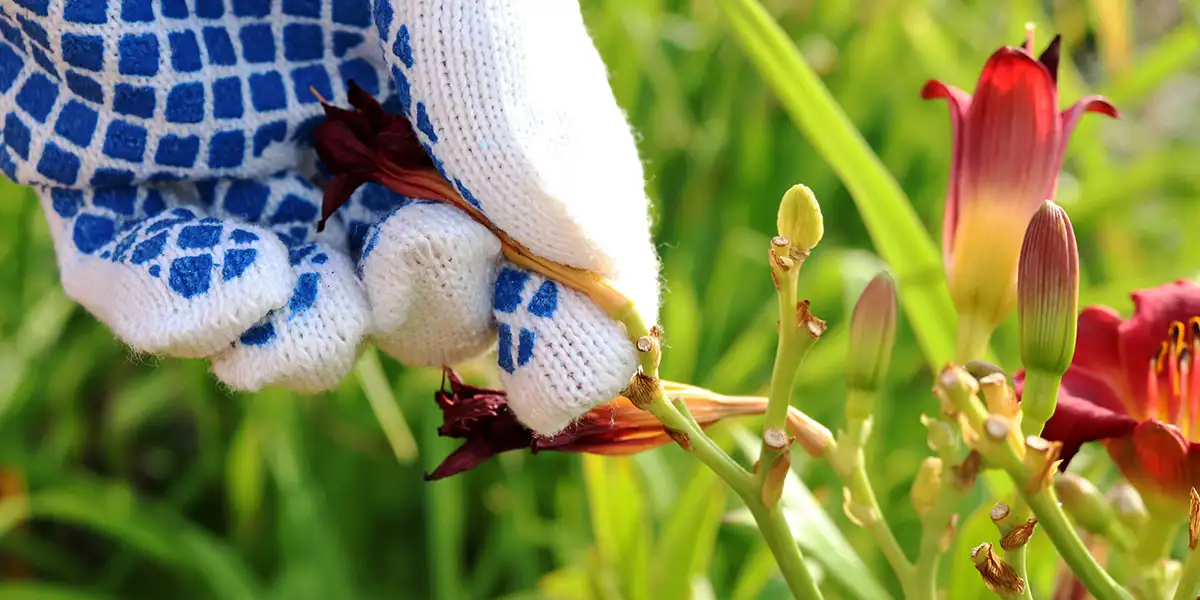
Deadhead plants that look messy.
-
Leave some seedheads for birds.
-
Stake tall late bloomers before storms.
-
Remove diseased foliage from the garden.
-
Divide only when conditions are suitable.
-
Take photos of crowded areas for fall work.
Plants that may need grooming include Shasta daisy (Leucanthemum × superbum), threadleaf coreopsis (Coreopsis verticillata), daylily (Hemerocallis), catmint (Nepeta × faassenii), and woodland sage (Salvia nemorosa).
Late summer can be a good time to divide some spring- and early summer-blooming perennials, but avoid dividing during extreme heat or drought.
Go for tidy, not sterile. A garden with seedheads, movement, and late flowers feels alive.

9. Choose Trees and Shrubs for Fall Planting
August is an excellent month to look around and notice what your yard needs next. More shade? Better screening? A prettier view from the kitchen window? A flowering shrub where summer color fades? This is when those gaps become obvious.
To do:
Photograph areas that look empty.
Note where afternoon shade would help.
Mark places that need privacy.
Look for shrubs with late-season interest.
Choose trees before fall planting season gets busy.
Ask about mature size before planting.
Plan watering before plants go in the ground.
Beautiful options for Bucks County landscapes include serviceberry (Amelanchier), eastern redbud (Cercis canadensis), sweetbay magnolia (Magnolia virginiana), black gum (Nyssa sylvatica), oakleaf hydrangea (Hydrangea quercifolia), Virginia sweetspire (Itea virginica), summersweet (Clethra alnifolia), and winterberry holly (Ilex verticillata). Read more about how to select trees for your garden and landscape design!
Bountiful Acres grows many of our own trees and shrubs, and that local attention shows in the quality. Our team can help you choose plants that fit your space, your light, your soil, and your long-term goals.
Fall planting season is coming, but August is when the best ideas often begin.

Enjoy the Late-Summer Glow
August asks gardeners to do two things at once: enjoy the season you are in and get ready for the one that is coming. With smart watering, steady harvesting, weed control, pest scouting, pollinator plants, lawn planning, and a few fresh touches near your favorite outdoor spaces, your yard can stay beautiful right through the end of summer.
At Bountiful Acres, we’re here to help Bucks County gardeners keep growing with exceptional plants, friendly and knowledgeable staff, locally-grown trees and shrubs, complete landscaping services, holiday lighting services, and plenty of seasonal inspiration. Stop in for late-summer annuals, pollinator plants, trees, shrubs, garden products, fresh ideas, and a visit to our popular butterfly atrium. August is a wonderful time to soak up the beauty of your yard, and to plant the seeds, literally and figuratively, for an even better fall.