
When most people spot an insect in the garden, their first instinct is often to wonder whether it’s causing any damage. While some insects can certainly create challenges for gardeners, many others are hard at work helping our plants thrive. These beneficial insects are nature’s pest control team, pollination partners, and ecosystem caretakers.
In Bucks County and throughout southeastern Pennsylvania, beneficial bugs play an important role in maintaining healthy gardens, landscapes, vegetable patches, and natural areas. They help keep troublesome pests in check, reduce the need for chemical treatments, and contribute to a balanced environment where plants can flourish.
The next time you see an insect crawling across a leaf or flying among your flowers, take a closer look. It may be one of your garden’s greatest allies.
- Why Beneficial Insects Matter
- Lady Beetles: The Beloved Aphid Hunters
- Praying Mantids: Masters of Ambush
- Ground Beetles: The Night Shift Garden Crew
- Wheel Bugs: Nature’s Pest Control
- Green Lacewings: Delicate Appearance, Fierce Appetite
- Hover Flies: Pollinators and Pest Controllers
- Native Bees: Essential Pollinators
- Soldier Beetles: Helpful Visitors to Summer Flowers
- Spiders: Not Insects, But Valuable Allies
- How to Attract Beneficial Bugs to Your Garden
1. Why Beneficial Insects Matter
A healthy garden is not an insect-free garden. In fact, the most successful landscapes are often filled with a diverse mix of insects performing different jobs.
Beneficial insects can:
- Control harmful pests naturally
- Pollinate flowers, fruits, and vegetables
- Improve soil health
- Support birds and other wildlife
- Help create a balanced ecosystem
When beneficial insects are present, they often reduce outbreaks of aphids, caterpillars, mites, scale insects, and other common garden pests. Rather than reaching for sprays at the first sign of insect activity, gardeners can often let nature do much of the work.
Let’s meet some of the beneficial bugs commonly found in Bucks County gardens!
2. Lady Beetles: The Beloved Aphid Hunters
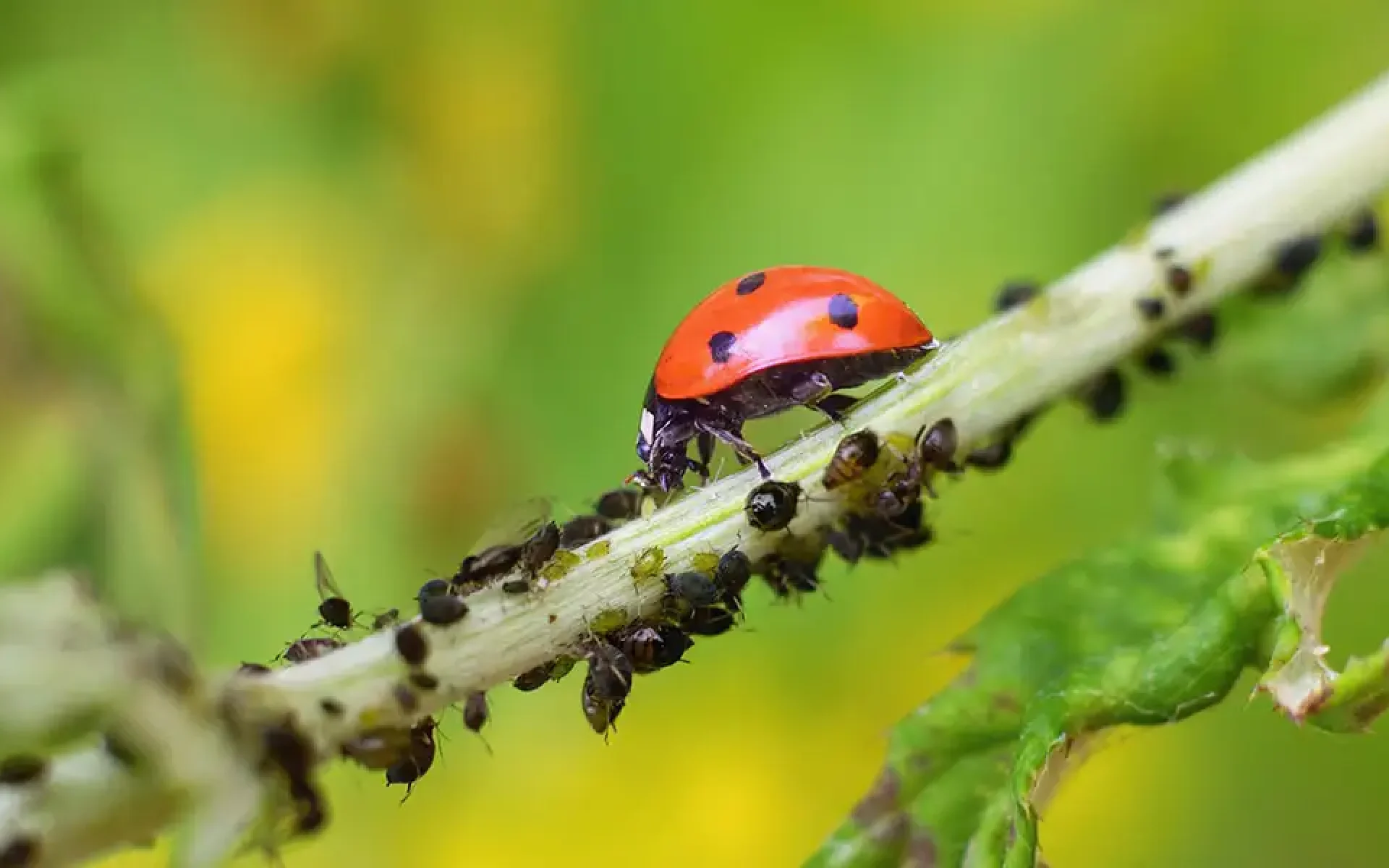
Most people know them as ladybugs, but their proper name is lady beetles (Family name: Coccinellidae). These colorful insects are among the most celebrated beneficial bugs in North America.
Both adult lady beetles and their larvae are voracious predators. A single lady beetle can consume dozens of aphids in a day, making them invaluable in flower beds, vegetable gardens, and landscapes.
Lady beetles feed on:
- Aphids
- Mealybugs
- Spider mites
- Scale insects
- Whiteflies
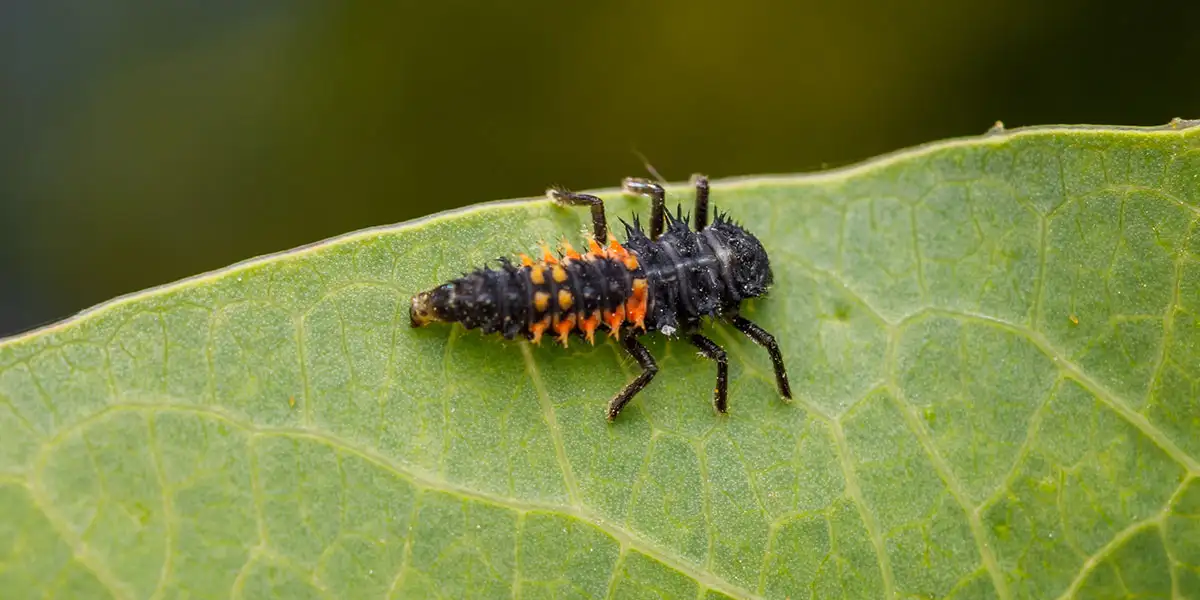
Many gardeners are surprised to learn that lady beetle larvae look nothing like the familiar red-and-black adults. The larvae resemble tiny alligators (pictured above) with elongated bodies and orange markings. Although they may appear intimidating, they are among the most effective pest hunters in the garden.
Lady beetles also visit flowers for nectar and pollen, providing a small pollination benefit while they search for prey.
3. Praying Mantids: Masters of Ambush
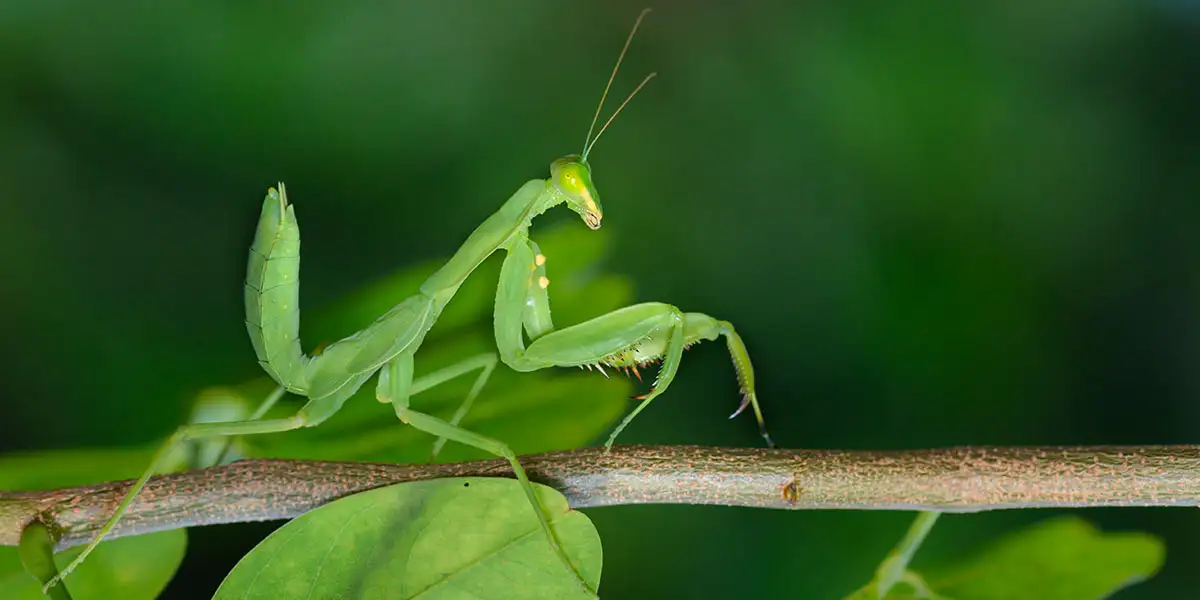
Few insects capture the imagination quite like the praying mantid. With their folded front legs, triangular heads, and patient hunting style, these fascinating predators are among the most recognizable beneficial insects.
Praying mantids are ambush hunters. They remain motionless until prey comes within reach, then strike with incredible speed.
Their menu includes:
- Flies
- Beetles
- Caterpillars
- Moths
- Crickets
- Various garden pests
Because praying mantids are generalist predators, they do not discriminate between harmful and beneficial insects. Even so, their presence often indicates a healthy, diverse ecosystem.
Children and adults alike enjoy spotting these remarkable insects among shrubs, perennial plantings, and vegetable gardens.
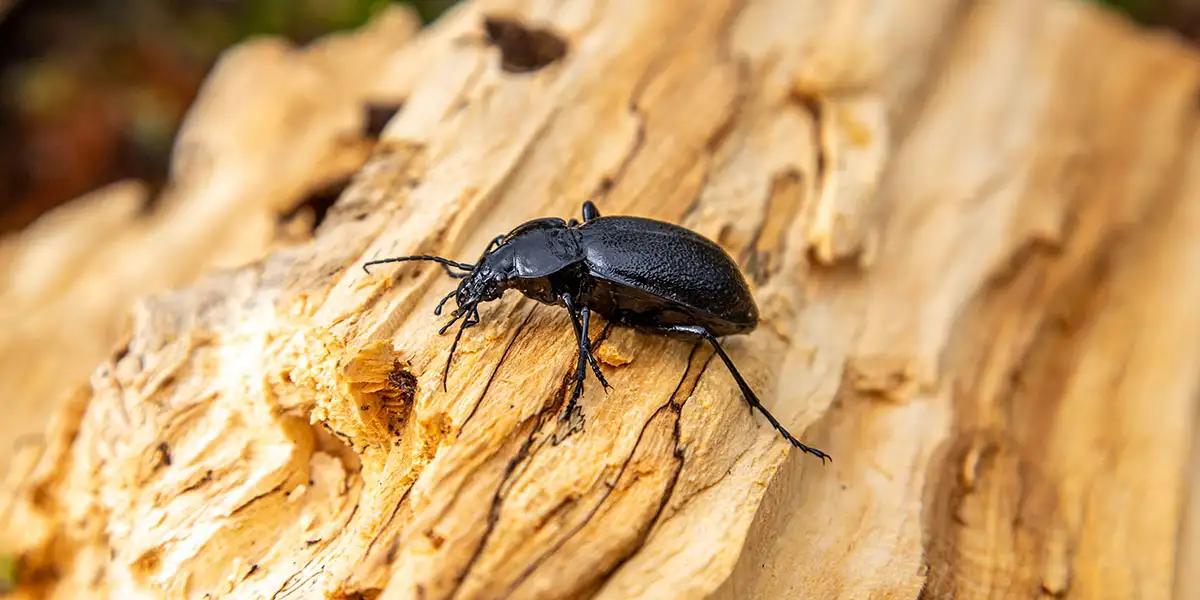
4. Ground Beetles: The Night Shift Garden Crew
Many beneficial insects work quietly behind the scenes, and ground beetles (Family name: Carabidae) are a perfect example.
These fast-moving beetles spend much of their time near the soil surface, often hiding beneath mulch, rocks, logs, or plant debris during the day. At night, they emerge to patrol the garden.
Ground beetles help control:
- Slugs
- Snails
- Cutworms
- Insect eggs
- Soil-dwelling larvae
- Small caterpillars
Since many garden pests begin life in the soil, ground beetles provide valuable protection before problems become visible above ground.
Creating mulched beds and leaving some natural areas in the landscape can help support healthy populations of these hardworking insects.
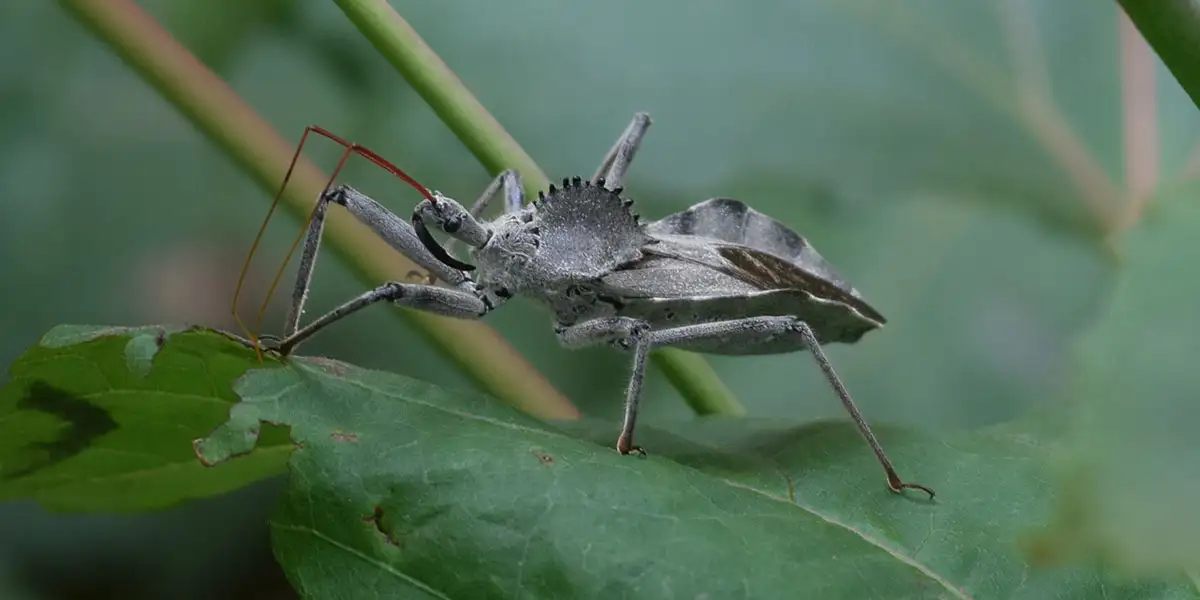
5. Wheel Bugs: Nature’s Pest Patrol
One of the most impressive beneficial insects found in Pennsylvania is the wheel bug (Arilus cristatus).
Named for the distinctive wheel-like structure on its back, this large member of the assassin bug family is a formidable predator.
Wheel bugs prey on:
- Japanese beetles
- Caterpillars
- Leaf-feeding insects
- Various beetles
Their presence is often a sign that a garden ecosystem is functioning well. These predators help reduce populations of insects that might otherwise damage ornamental plants, trees, and shrubs.
Although wheel bugs are beneficial, it is best to avoid handling them. Like other assassin bugs, they can deliver a painful bite if disturbed.
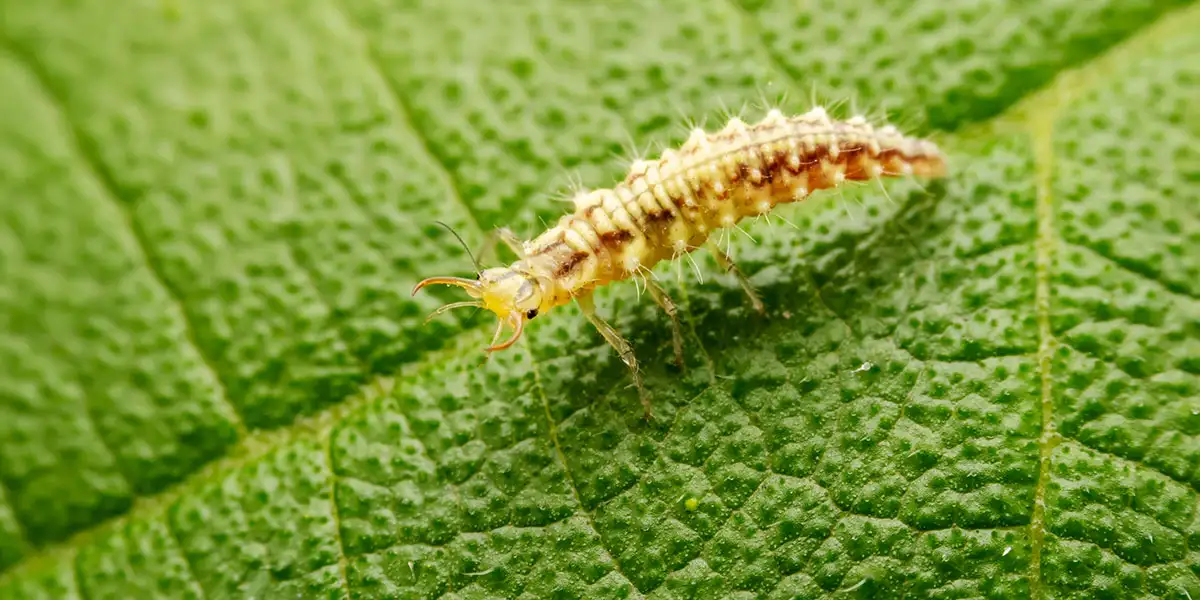
6. Green Lacewings: Delicate Appearance, Fierce Appetite
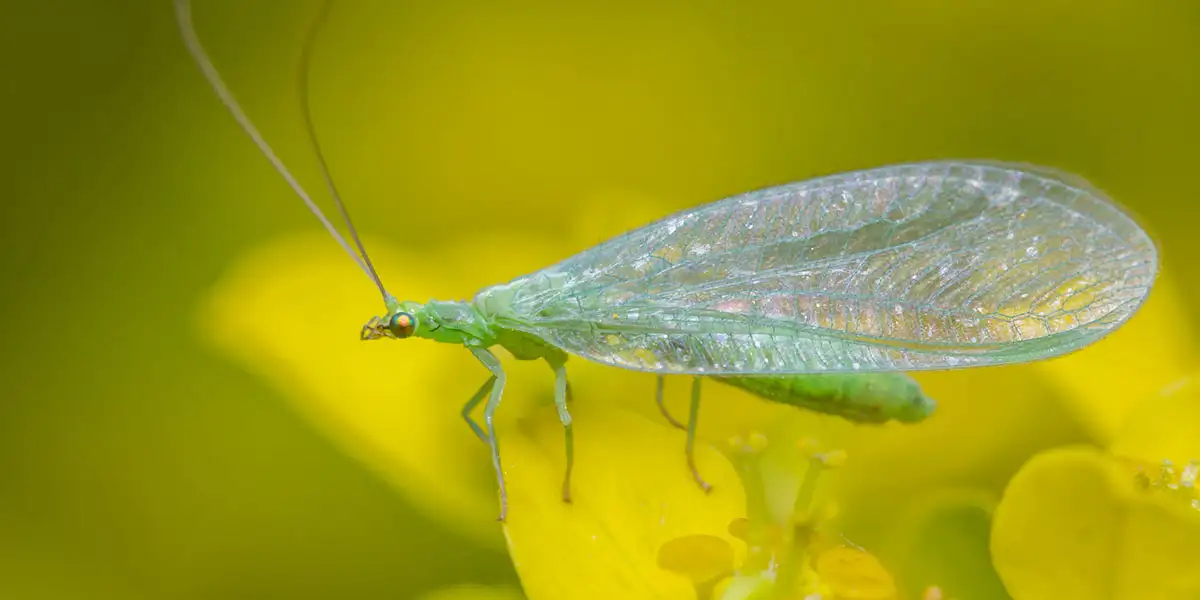
Green lacewings (Family name: Chrysopidae) are among the most underrated beneficial insects in the garden.
The adults have delicate green bodies and transparent wings that resemble lace. Their larvae, however, are relentless predators.
Lacewing larvae feed on:
- Aphids
- Thrips
- Whiteflies
- Mealybugs
- Small caterpillars
Because of their appetite for aphids, lacewing larvae (pictured above) are sometimes called “aphid lions.”
Planting nectar-rich flowers helps support adult lacewings, encouraging them to lay eggs near pest populations.
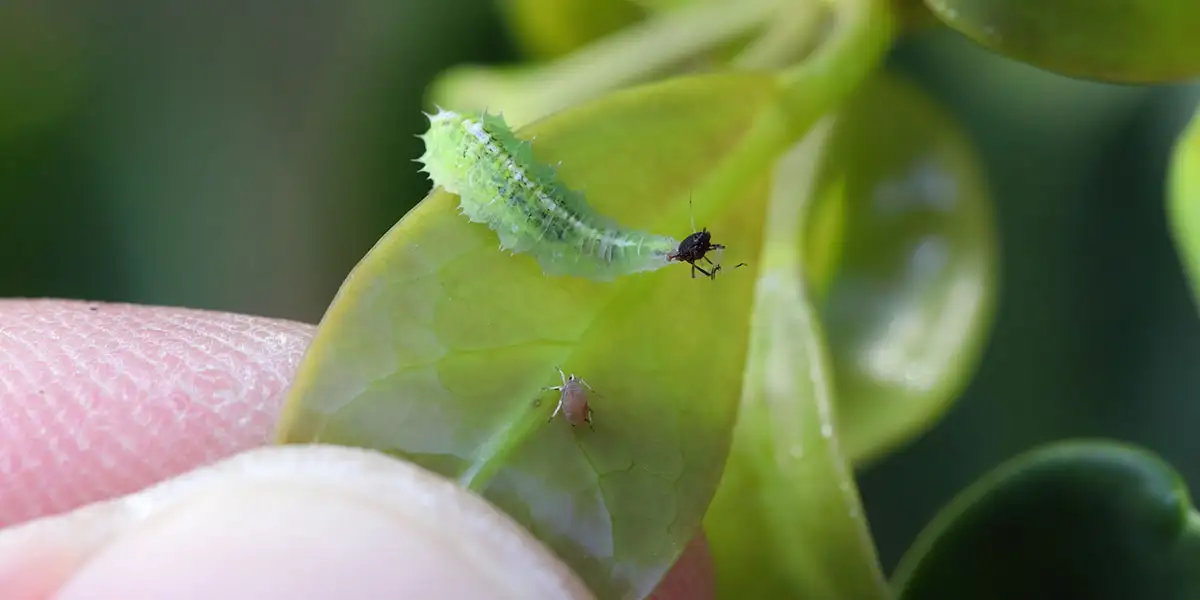
7. Hover Flies: Pollinators and Pest Controllers
At first glance, hover flies may resemble small bees or wasps, but they are harmless flies and excellent garden allies.
Adults are important pollinators that visit a wide variety of flowers. Their larvae (pictured above) provide an additional benefit by feeding on soft-bodied pests.
Hover fly larvae consume:
- Aphids
- Thrips
- Small insects
The adults are especially attracted to flowers with easily accessible nectar, making them frequent visitors to herb gardens and pollinator plantings.
8. Native Bees: Essential Pollinators
Not all beneficial insects are predators. Some contribute to the garden through pollination, and native bees are among the most important.
Pennsylvania is home to hundreds of native bee species, including:
- Bumble bees
- Mason bees
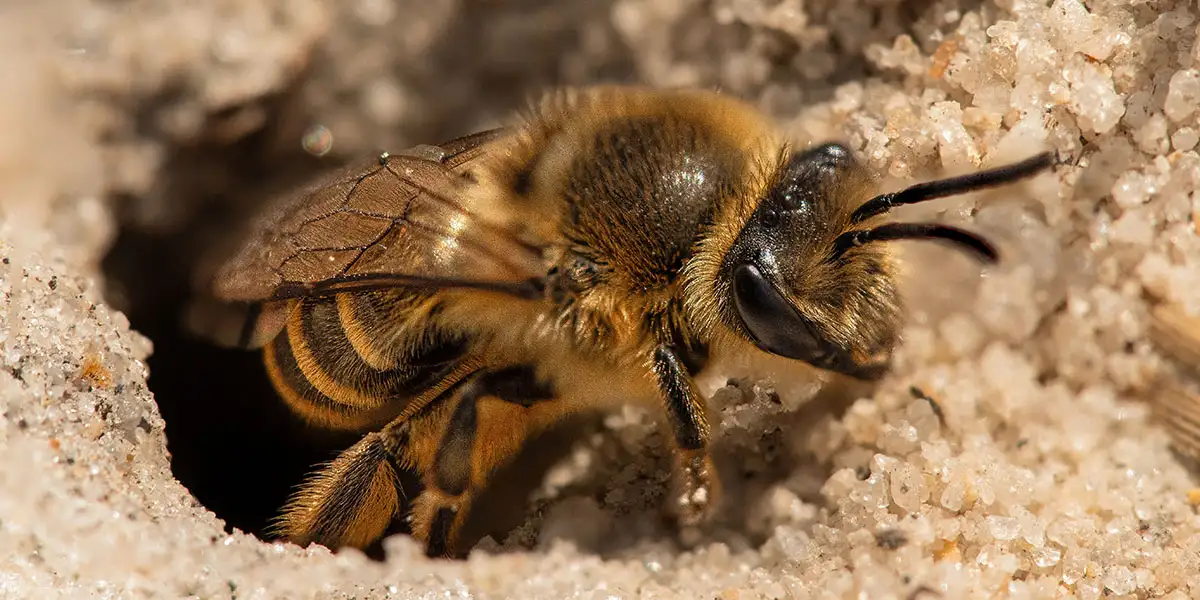
- Mining bees (pictured above)
- Leafcutter bees
These pollinators help many flowering plants, fruits, vegetables, and native species reproduce successfully.
Unlike honey bees, many native bees are solitary and nest in the ground, hollow stems, or natural cavities. Providing diverse flowering plants throughout the growing season helps support these essential pollinators.
9. Soldier Beetles: Helpful Visitors to Summer Flowers
Soldier beetles are commonly seen during summer feeding on pollen and nectar.
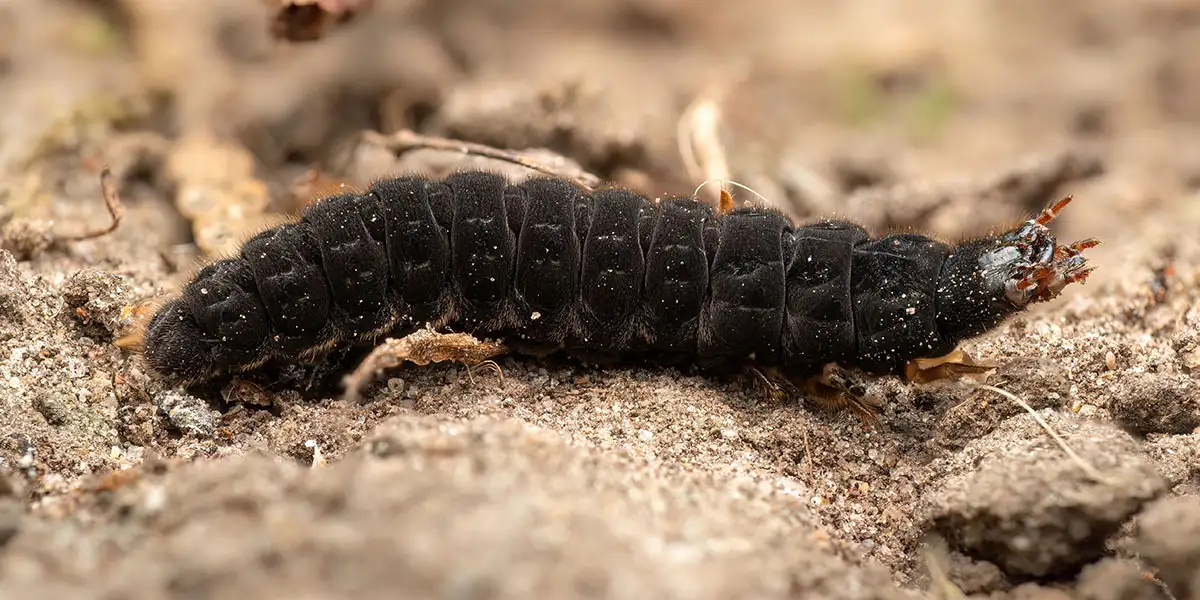
While adults are valuable pollinators, their larvae (pictured above) contribute another service by feeding on:
- Grasshopper eggs
- Caterpillars
- Beetle larvae
- Soft-bodied insects
Goldenrod, native asters, and other late-season bloomers frequently attract soldier beetles.
10. Spiders: Not Insects, But Valuable Allies
Although spiders aren’t insects, they deserve honorable mention.
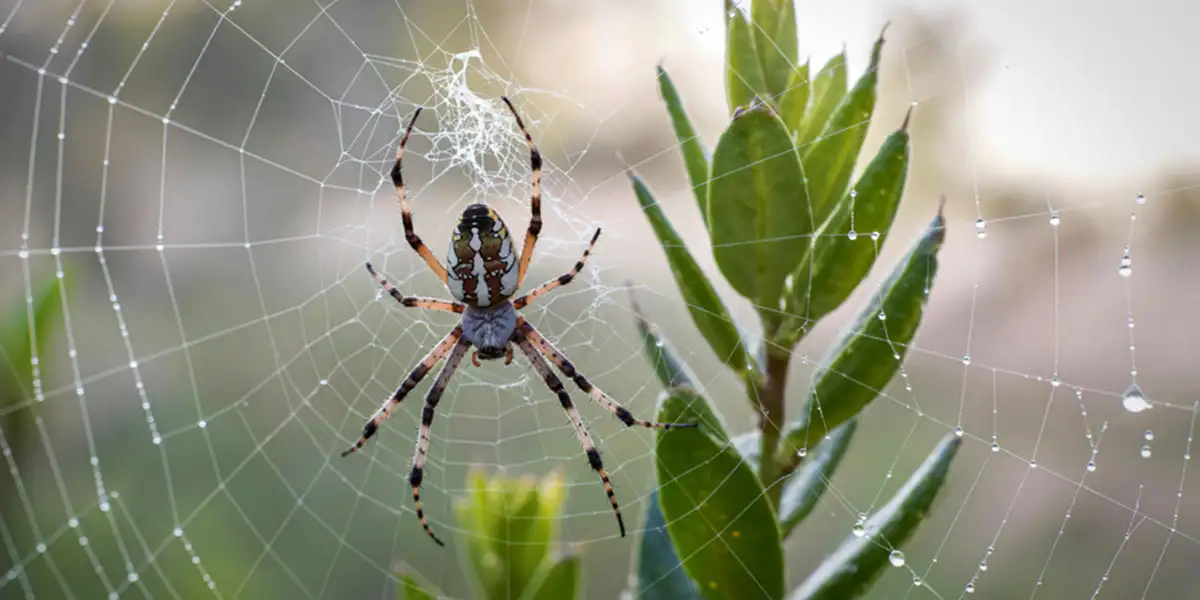
Garden spiders capture enormous numbers of flying and crawling pests throughout the growing season. Orb weavers (pictured above), jumping spiders, wolf spiders, and many other species help reduce insect populations naturally.
A garden that supports beneficial insects often supports healthy spider populations as well.
11. How to Attract Beneficial Bugs to Your Garden
Fortunately, inviting beneficial insects into your landscape is easier than many people think.
Plant a Variety of Flowers
Different beneficial insects are attracted to different flower shapes, colors, and bloom times.
Excellent choices include:
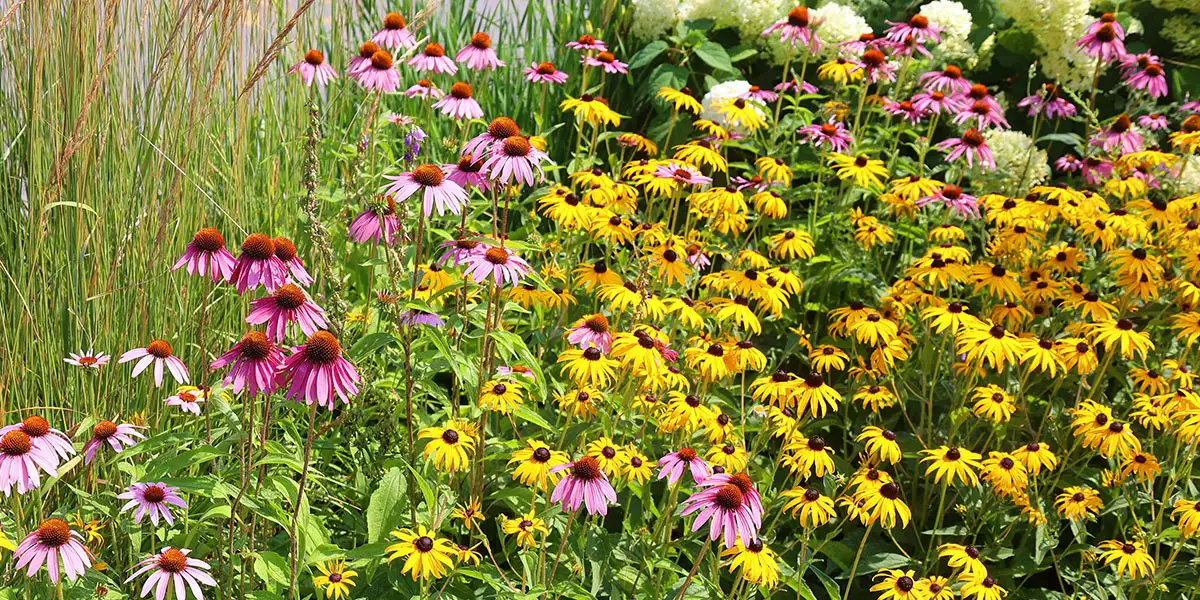
- Purple coneflower (Echinacea purpurea)
- Black-eyed Susan (Rudbeckia hirta)
- Bee balm (Monarda didyma)
- Yarrow (Achillea millefolium)
- Asters (Symphyotrichum species)
- Goldenrod (Solidago species)
A diverse planting provides nectar and pollen from spring through fall.
Include Native Plants
Native plants have evolved alongside local insects and often provide the best food and habitat resources.
Native trees, shrubs, perennials, and grasses support a wide range of pollinators and beneficial predators.
Avoid Broad-Spectrum Insecticides
Many insecticides kill beneficial insects along with pests.
Before treating a problem, identify the insect involved and determine whether intervention is truly necessary. In many cases, beneficial insects will naturally reduce pest populations over time.
Leave Some Natural Areas
Not every corner of the landscape needs to be perfectly tidy.
Leaf litter, mulch, ornamental grasses, and small naturalized areas provide shelter for beneficial insects during different stages of their life cycles.
Provide Water
A shallow water source with stones for landing can help support pollinators and other beneficial insects during hot weather.
Embracing a More Balanced Garden
One of the greatest joys of gardening is discovering the intricate relationships that exist among plants, insects, birds, and wildlife. Beneficial bugs remind us that nature often has its own solutions.
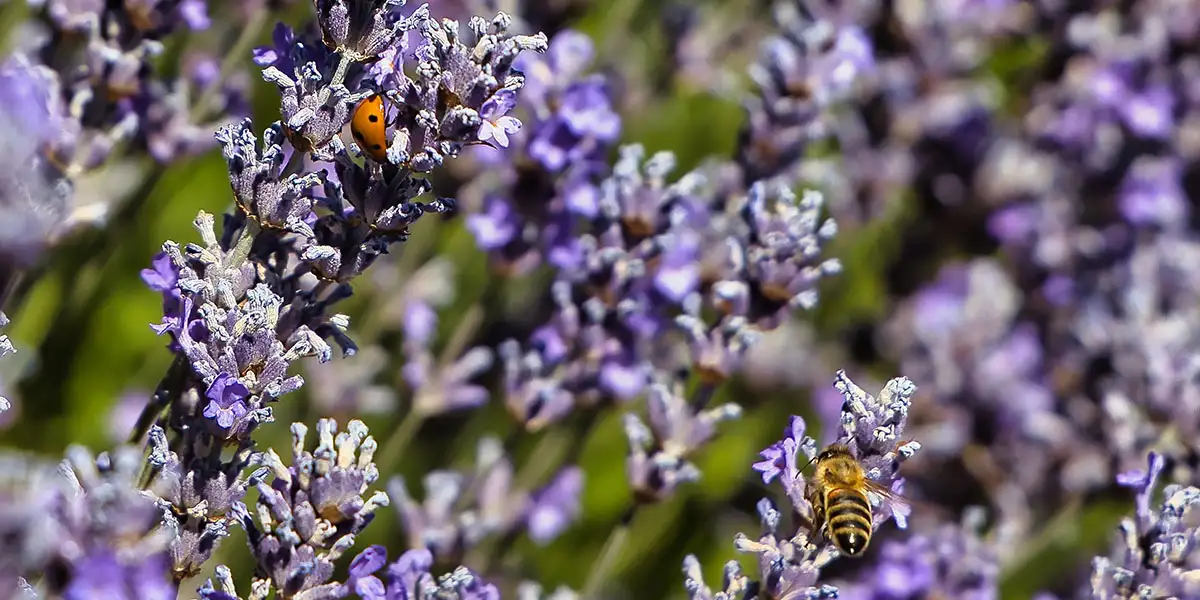
Lady beetles patrol for aphids. Ground beetles hunt beneath the mulch. Wheel bugs keep destructive insects in check. Native bees pollinate flowers and vegetables. Together, these garden heroes create a healthier, more resilient landscape.
The next time you notice an insect among your flowers or shrubs, pause before assuming it is a pest. It may be one of the hardworking allies that helps keep your Bucks County garden beautiful all season long.
By planting diverse flowers, supporting native plants, and giving nature a little room to work, you can create an outdoor space where beneficial insects thrive and where your garden benefits from their incredible efforts every day.