
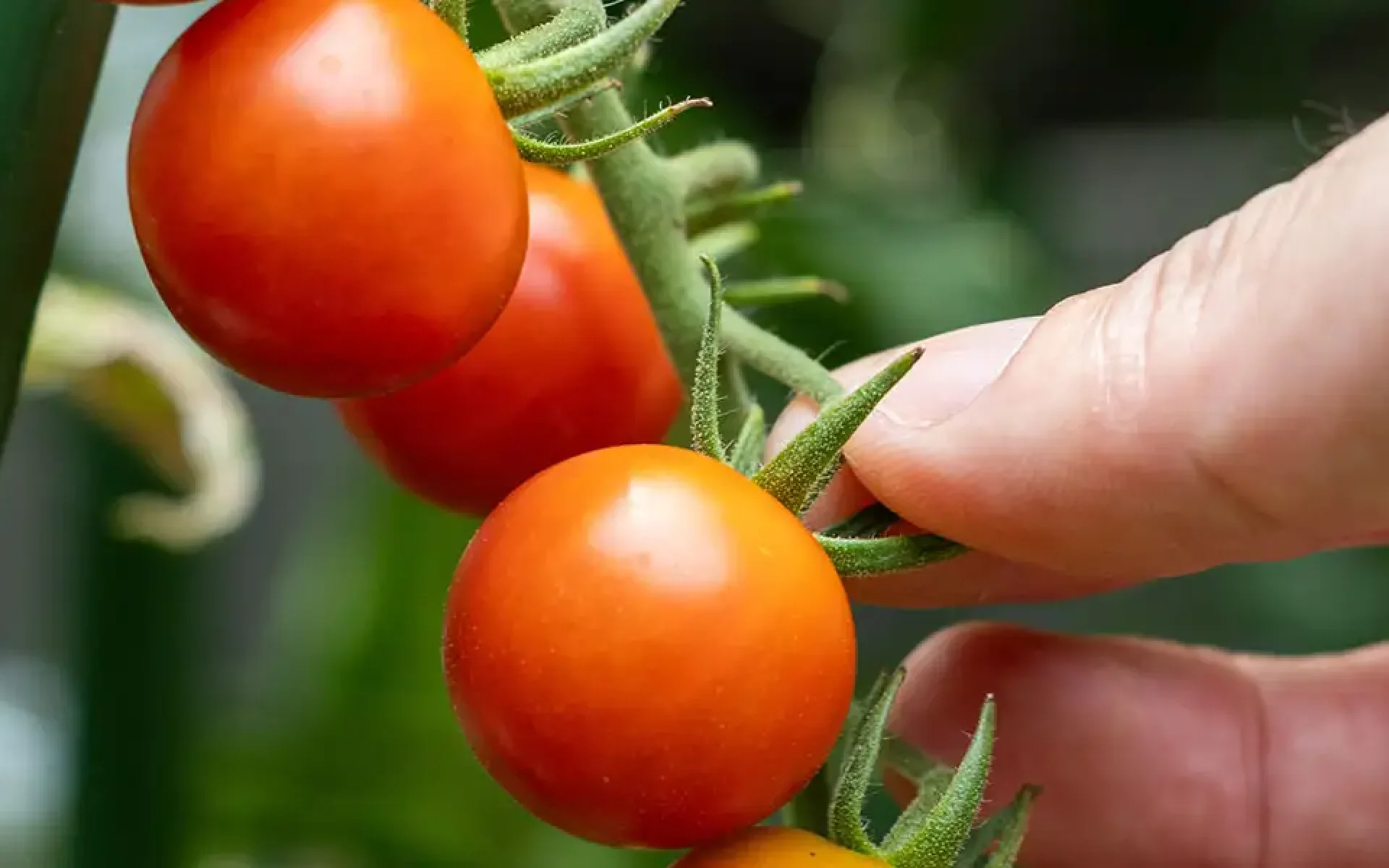
July in Bucks County is bold, bright, and busy. Gardens are no longer easing into the season. They are in full summer mode, with tomatoes ripening, hydrangeas blooming, butterflies visiting, containers spilling over, and patios getting plenty of use.
This is also the month when heat, humidity, fast growth, summer storms, insects, and vacation schedules can test a landscape. July garden care is not about starting over. It’s about helping your yard stay beautiful, healthy, and ready for continued summer entertaining.
Use this monthly guide as a practical checklist. Tackle the most important tasks first, especially watering, harvesting, pest scouting, and refreshing the areas where family and guests spend the most time.
-
- Make Watering More Reliable
- Refresh Containers Before They Look Tired
- Deadhead, Shear, and Tidy for More Flowers
- Add Heat-Loving Color Where Spring Plants Have Faded
- Keep the Vegetable Garden Productive
- Scout for Pests Before They Take Over
- Manage Lawn Stress During Summer Heat
- Reduce Mosquito Breeding Around Entertaining Areas
- Prune Lightly and Avoid Stressing Plants
- Make Outdoor Spaces Guest-Ready
- Plan Ahead While the Garden Is Showing You What It Needs
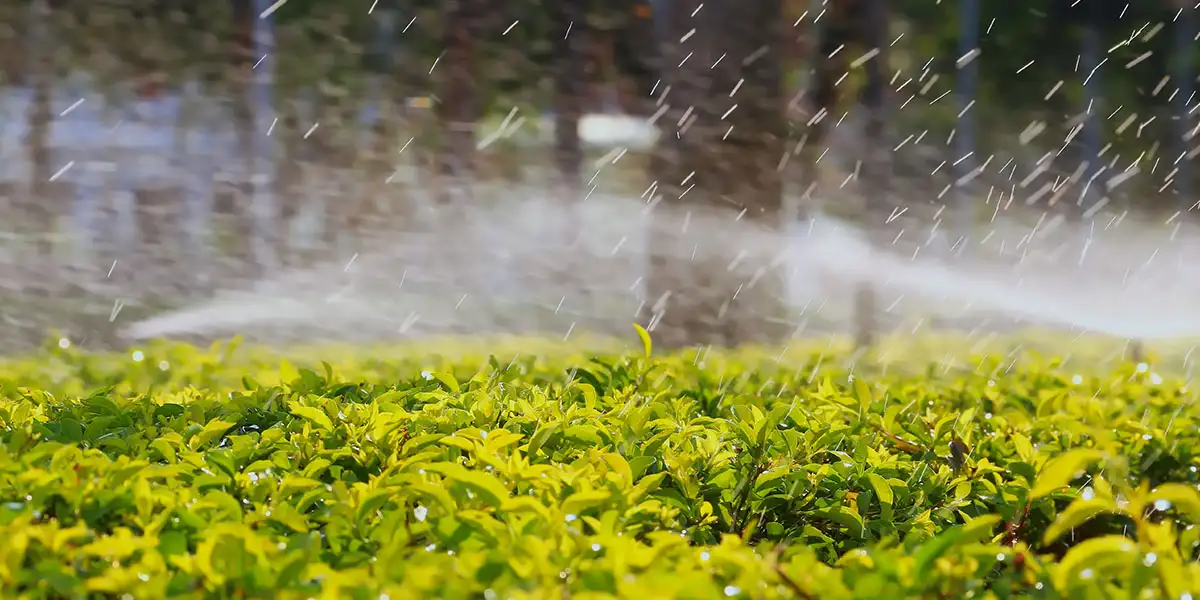
1. Make Watering More Reliable
July watering is about consistency. A quick splash every day is rarely as helpful as a slower, deeper soak that reaches the root zone.
To do:
-
Check a rain gauge after storms.
-
Water early in the morning when possible.
-
Give new trees and shrubs slow, deep watering.
-
Check containers once or twice daily during hot stretches.
-
Add soaker hoses or drip irrigation to thirsty beds.
-
Move vacation-sensitive pots into light afternoon shade.
One inch of rain per week is generally adequate for in-ground plants, and a rain gauge is the best way to know what actually fell in your yard. New trees need extra care, with about 10 gallons of water weekly applied slowly around the root system or root ball.
For July, a few tools can make all the difference: a rain gauge, watering wand, hose timer, soaker hose, watering bag for new trees, and a moisture meter for containers. When watering pots, keep going until water drains from the bottom. If water runs right down the sides of a very dry container, water once, wait a few minutes, then water again so the potting mix has time to absorb moisture.
Mulch also helps. A light refresh around shrubs, perennials, vegetables, and young trees can cool the soil and slow evaporation. Keep mulch pulled back from crowns, stems, and trunks. (Remember, it should look like a doughnut, not a cupcake!)
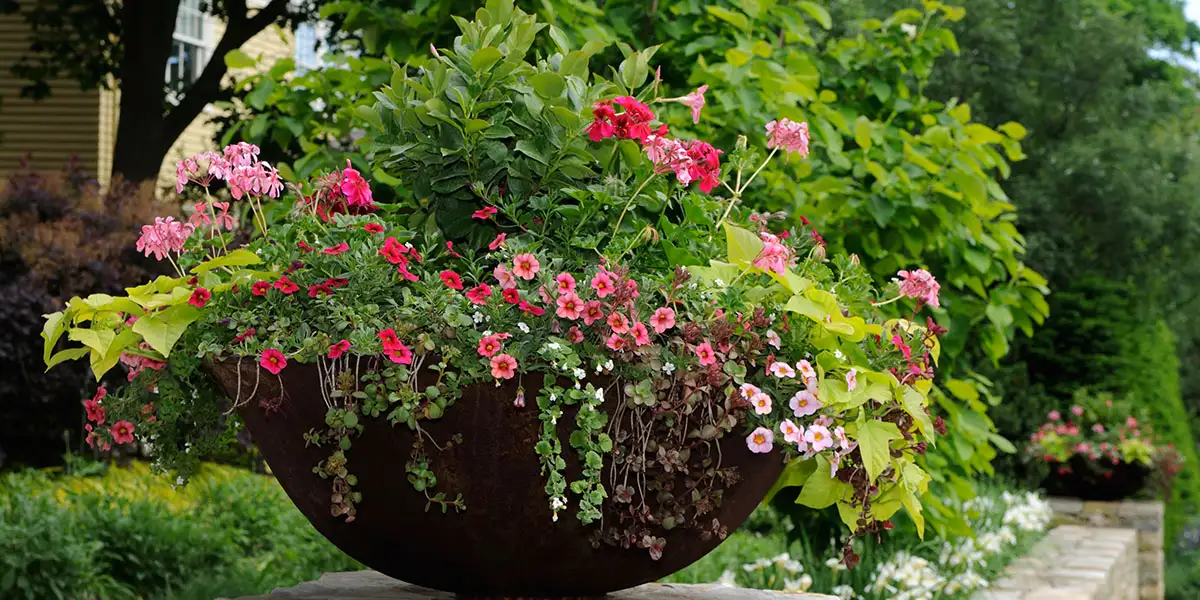
2. Refresh Containers Before They Look Tired
Containers often peak around the Fourth of July, then start asking for more attention. Heat, heavy watering, crowded roots, and hungry annuals can make once-beautiful pots look stressed by mid month.
To do:
-
Trim back leggy annuals.
-
Remove spent blooms and yellow leaves.
-
Feed containers according to fertilizer directions.
-
Replace one or two failing plants instead of redoing the whole pot.
-
Group containers near patios, doors, pools, and seating areas.
-
Check that drainage holes are open.
Annuals that handle July heat well include lantana (Lantana camara), Madagascar periwinkle (Catharanthus roseus), Egyptian starcluster (Pentas lanceolata), angelonia, globe amaranth (Gomphrena globosa), zinnia, and moss rose (Portulaca grandiflora).
For shade, keep things fresh with begonia, wishbone flower (Torenia fournieri), coleus, and impatiens. If a container near the front door or patio has lost its charm, tuck in a fresh plant or two. A single trailing sweet potato vine or bright million bells (Calibrachoa) can make the whole arrangement look intentional again.
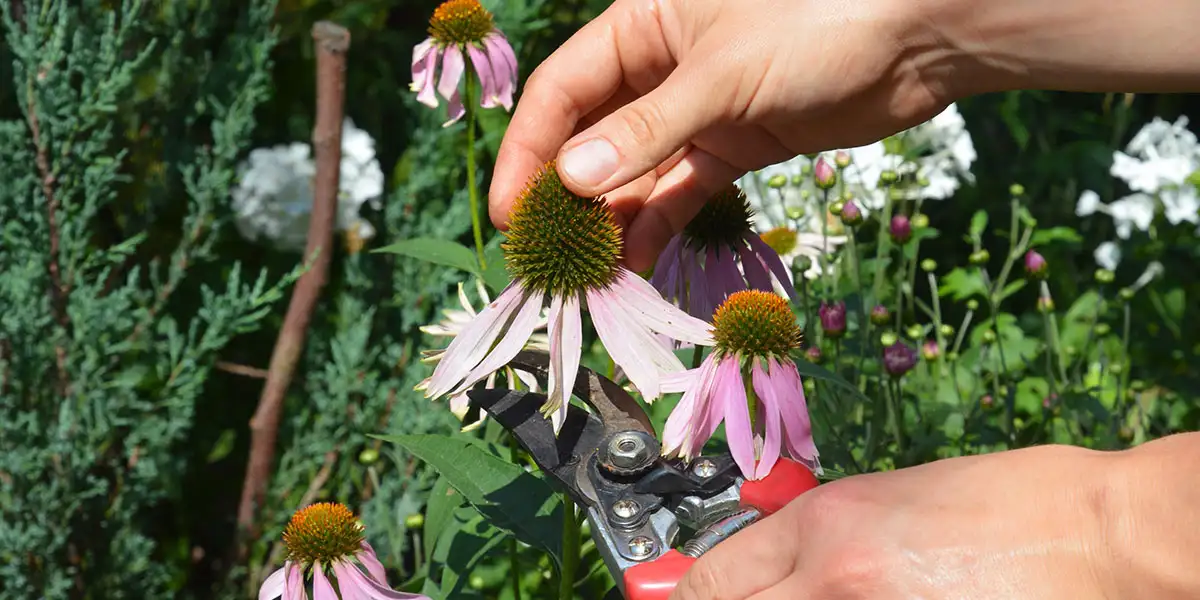
3. Deadhead, Shear, and Tidy for More Flowers
July gardens can get shaggy. A little grooming keeps flower beds looking cared for, especially near entrances, patios, walkways, and outdoor dining areas.
To do:
-
Deadhead annuals and perennials with spent blooms.
-
Shear back tired catmint (Nepeta × faassenii).
-
Cut back finished woodland sage (Salvia nemorosa).
-
Remove yellowing foliage from early-season perennials.
-
Stake or tie tall plants before thunderstorms flatten them.
-
Gather cut flowers for indoor arrangements.
Plants that often benefit from deadheading include rose, Shasta daisy (Leucanthemum × superbum), threadleaf coreopsis, blanket flower (Gaillardia × grandiflora), purple coneflower (Echinacea purpurea), and daylily.
Not every seedhead needs to go. Leaving some later-season seedheads can support birds and add texture, but in July, removing spent flowers from highly visible areas keeps the landscape looking fresh for guests.
Useful tools include bypass pruners, floral snips, garden gloves, soft plant ties, bamboo stakes, and a small garden trug or bucket for clippings.
4. Add Heat-Loving Color Where Spring Plants Have Faded
By July, some spring stars have stepped back. That’s normal. The trick is to make sure your landscape still has strong summer performers.
To do:
Look for blank spots in sunny beds.
Add summer-blooming perennials where color is missing.
Choose plants with different heights and flower shapes.
Plant in groups for a fuller look.
Water new plantings carefully during hot weather.
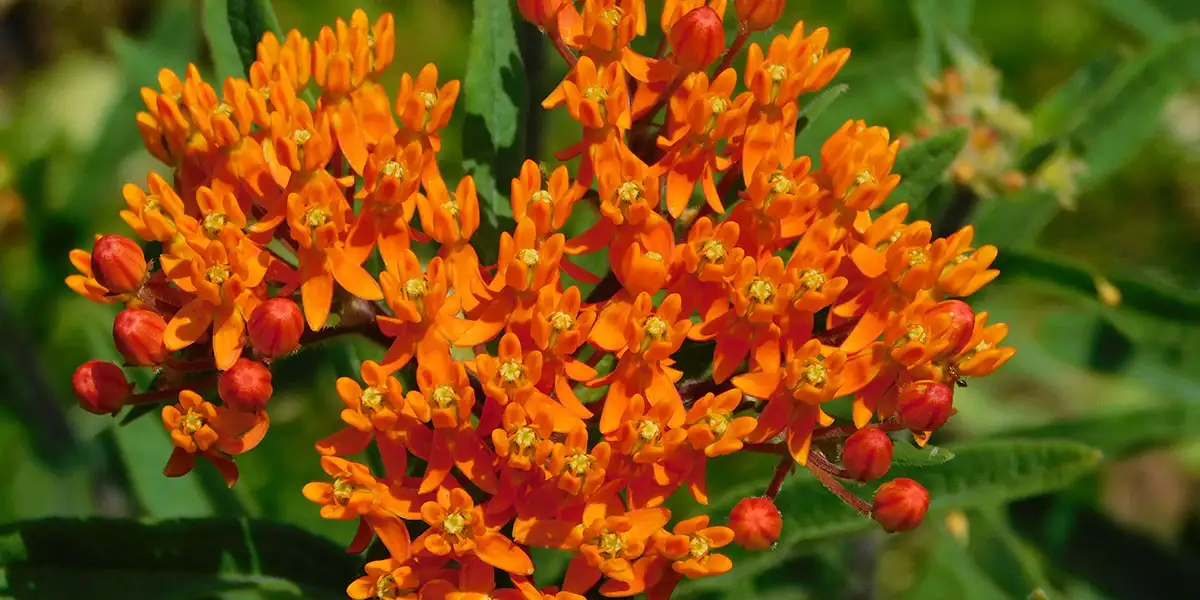
Summer favorites for Bucks County gardens include purple coneflower (Echinacea purpurea), orange coneflower (Rudbeckia fulgida), wild bergamot (Monarda fistulosa), dense blazing star (Liatris spicata), butterfly weed (Asclepias tuberosa — pictured above), rose mallow (Hibiscus moscheutos), garden phlox (Phlox paniculata), and clustered mountain mint (Pycnanthemum muticum).
For shrubs, look at panicle hydrangea, smooth hydrangea (Hydrangea arborescens), summersweet (Clethra alnifolia), and Virginia sweetspire (Itea virginica). Native plants can be especially valuable in pollinator gardens; in fact, they are proven to be four times more attractive to pollinators than non-natives.
5. Keep the Vegetable Garden Productive
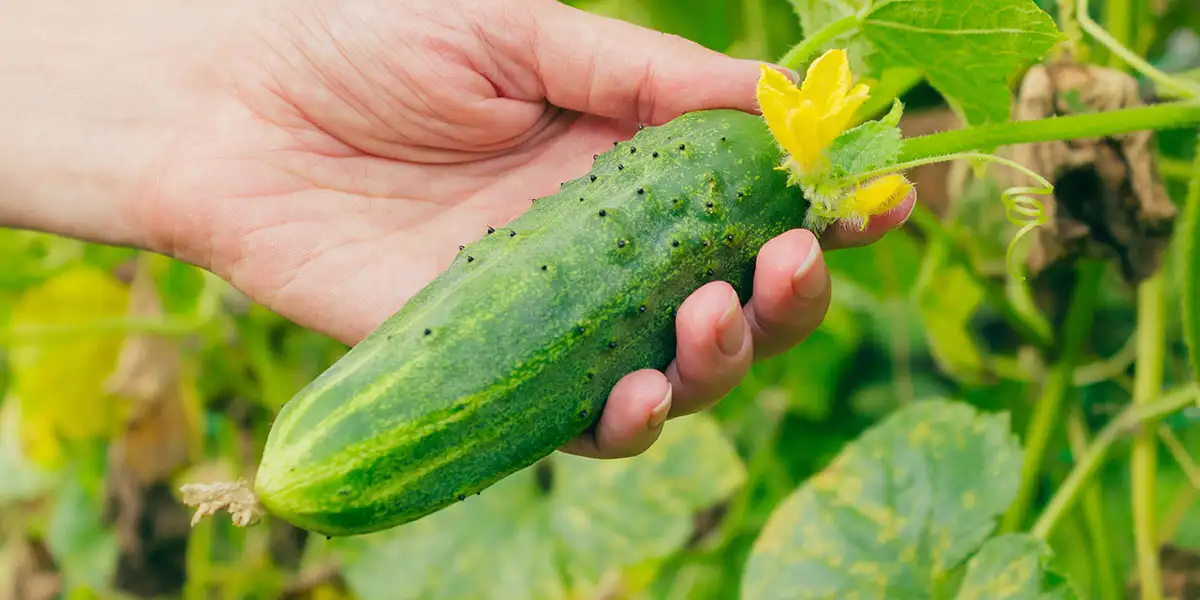
July is harvest season, problem-solving season, and planning season all at once. Tomatoes, peppers, cucumbers, squash, beans, herbs, and eggplants may be growing quickly now, while some spring crops are finished.
To do:
-
Harvest regularly to keep plants producing.
-
Pick cucumbers and summer squash before they get oversized.
-
Keep tomatoes evenly watered.
-
Tie tomatoes to stakes or cages as they grow.
-
Remove diseased lower tomato leaves.
-
Replant open spaces with quick or fall crops.
Keep harvesting cucumber, summer squash, common bean, tomato, pepper, and eggplant. For herbs, pinch basil often to delay flowering and encourage bushier growth.
Open spaces can be planted again. Early July is a good time for carrots, beets, Swiss chard, and cabbage-family plants, with mid-July options including radish and spinach. Exact timing depends on variety, days to maturity, and weather.
July is also when tomato issues become more noticeable. Consistent moisture, mulch, good airflow, and watering at the base of plants can reduce stress and help prevent some common problems.
6. Scout for Pests Before They Take Over
In July, the goal is early detection. Many pest issues are easier to manage when populations are still small.
To do:
Check leaves, stems, and flower buds once a week.
Look under leaves for insects and eggs.
Inspect roses, vegetables, fruit trees, and young shrubs.
Watch for Japanese beetles.
Monitor for spotted lanternfly nymphs and adults.
Avoid spraying flowers when pollinators are active.
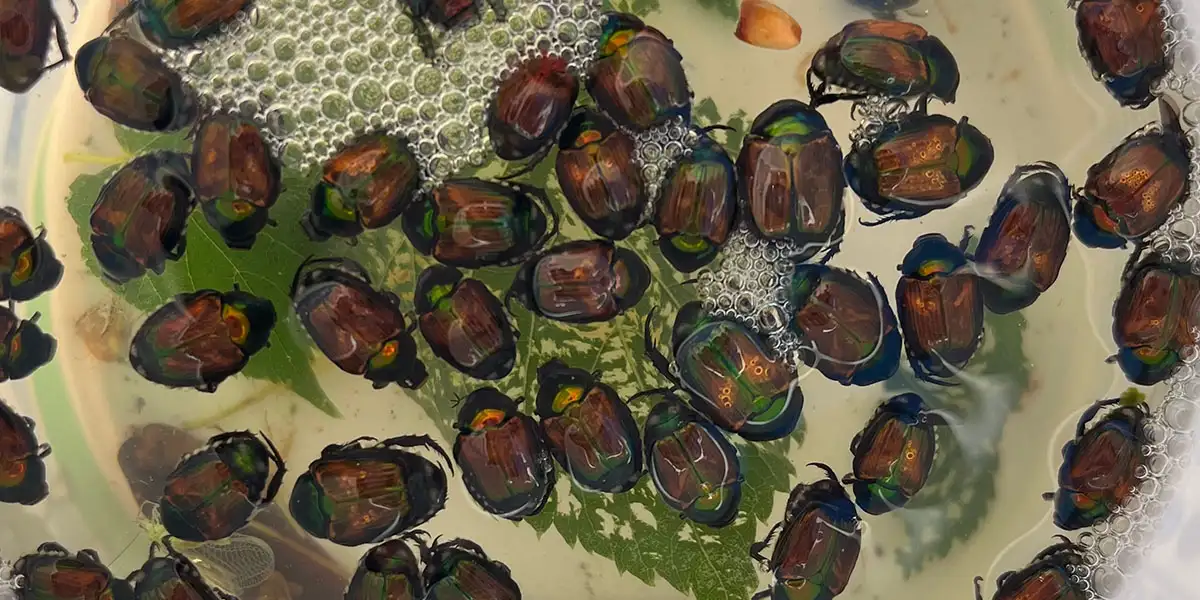
Japanese beetles are a classic July frustration. Adults emerge from the soil from late June through July, with southern Pennsylvania often seeing them around June 20. Hand-picking beetles into a container of soapy water in the morning can help with smaller plantings. (Pictured above) Be cautious with traps, because they may attract more beetles into the area than you want near prized plants.
Spotted lanternfly also deserves attention. Eggs hatch in spring, generally late April to June, and nymphs are present as summer progresses. In July, look for jumping nymphs and emerging adults on trees, vines, patio furniture, and outdoor structures. Always follow current guidance and label directions when using any control product.
7. Manage Lawn Stress During Summer Heat
July is not the month to demand perfection from cool-season lawns. Heat and dry weather can slow growth, and some lawns naturally move toward summer dormancy.
To do:
-
Mow higher during hot weather.
-
Keep mower blades sharp.
-
Do not remove more than one-third of the grass blade.
-
Leave clippings when they are not clumping.
-
Water deeply only when needed.
-
Make notes for fall seeding and repair.
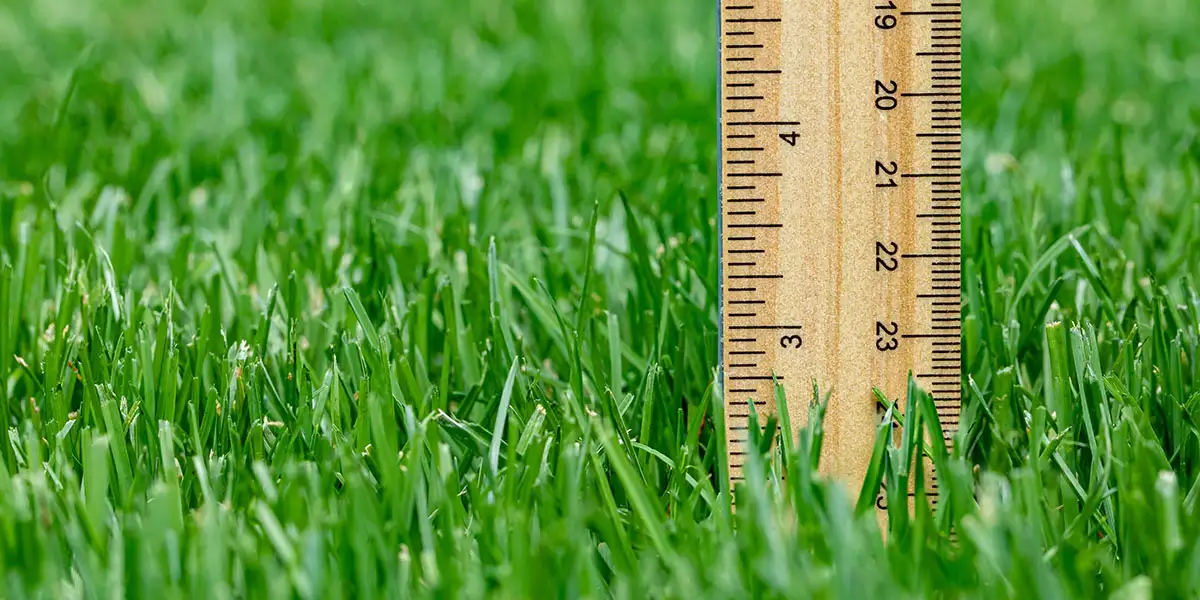
Maintain lawn height close to three inches to stimulate root growth and shade out weeds. That can also help deprive young crabgrass plants of light.
Avoid major lawn renovation in July. If thin spots, weeds, or compacted areas are bothering you, take photos and make a fall plan. Late summer into early fall is usually a better window for cool-season lawn repair in our region.
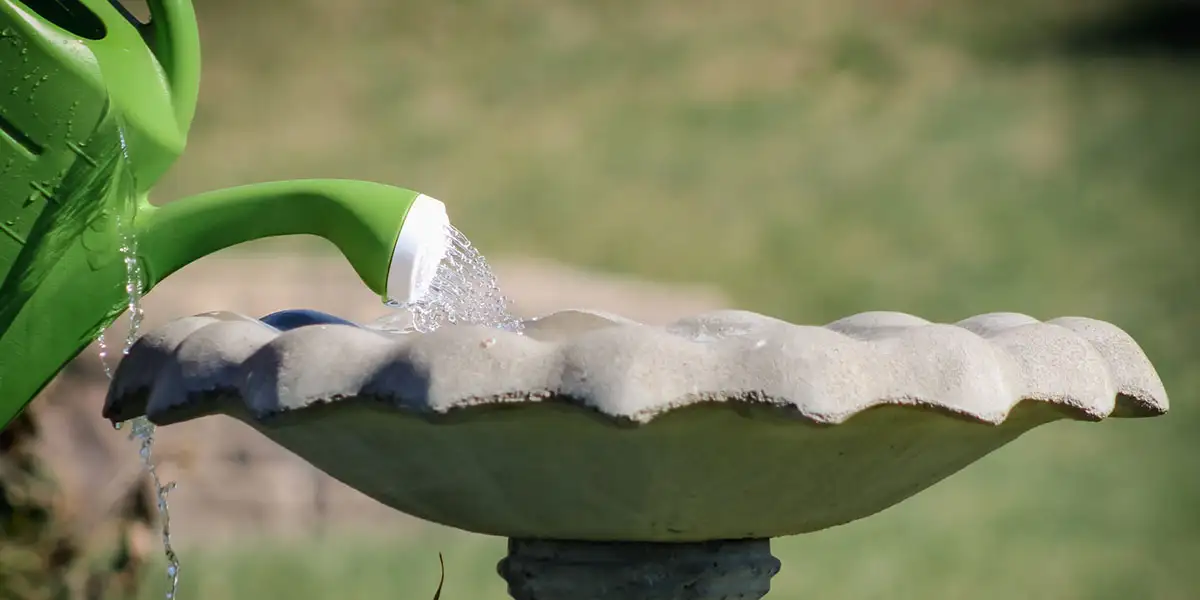
8. Reduce Mosquito Breeding Around Entertaining Areas
July evenings should be enjoyable, not spent swatting mosquitoes. Start with the places mosquitoes breed.
To do:
-
Empty plant saucers after rain.
-
Refresh birdbath water regularly.
-
Turn over buckets, toys, and unused pots.
-
Check tarps, furniture covers, and wheelbarrows.
-
Clean clogged gutters.
-
Treat water that cannot be emptied according to product labels.
We talked about this last month, and it’s important enough to repeat it this month: The CDC recommends that once a week, homeowners empty, scrub, turn over, cover, or discard items that hold water, including buckets, planters, toys, pools, birdbaths, flowerpot saucers, and trash containers.
This is especially important near patios, play areas, pools, and outdoor dining spaces. A tidy yard with fewer hidden water pockets is more comfortable for people and pets.
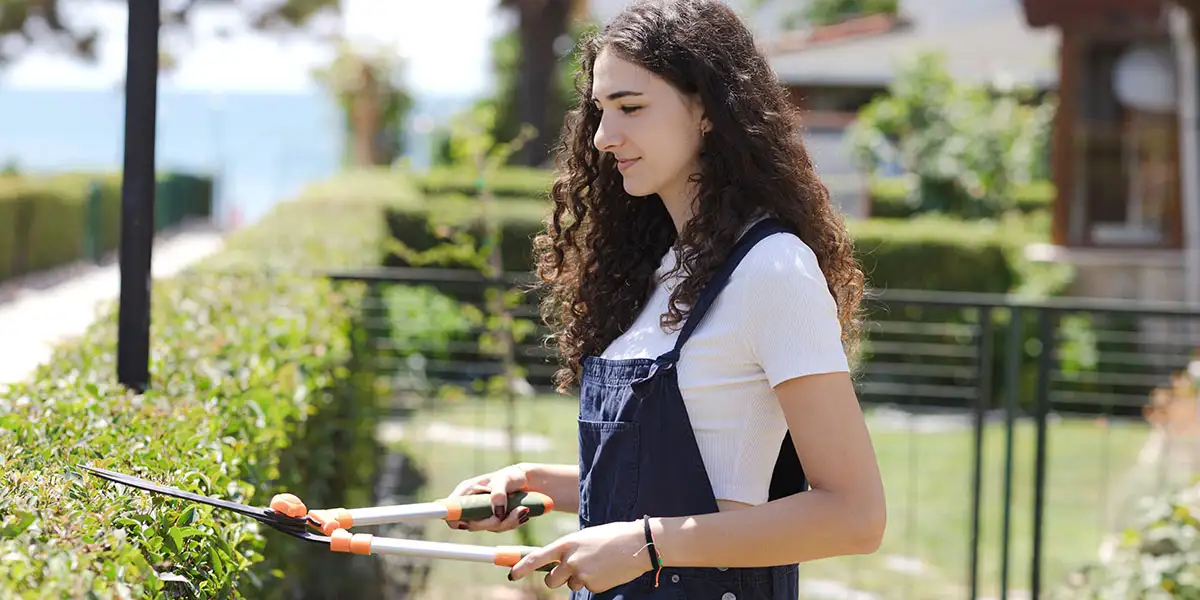
9. Prune Lightly and Avoid Stressing Plants
July pruning should be thoughtful. Heavy pruning during heat can stress plants, and pruning the wrong shrub at the wrong time can reduce future flowers.
To do:
-
Remove dead, damaged, or diseased branches.
-
Clip suckers from the base of trees and shrubs.
-
Lightly shape shrubs only when needed.
-
Avoid heavy pruning during extreme heat.
-
Hold off on major rejuvenation pruning.
-
Ask before cutting hydrangeas if you are unsure.
For bigleaf hydrangea (Hydrangea macrophylla), pruning can be confusing because many types bloom on old wood. Panicle hydrangea (Hydrangea paniculata) and smooth hydrangea (Hydrangea arborescens) are generally more forgiving, but July is still better for enjoying blooms than making aggressive cuts.
If branches block walkways, scrape the house, or interfere with outdoor seating, a few careful cuts are fine. Save major shaping for the proper season.
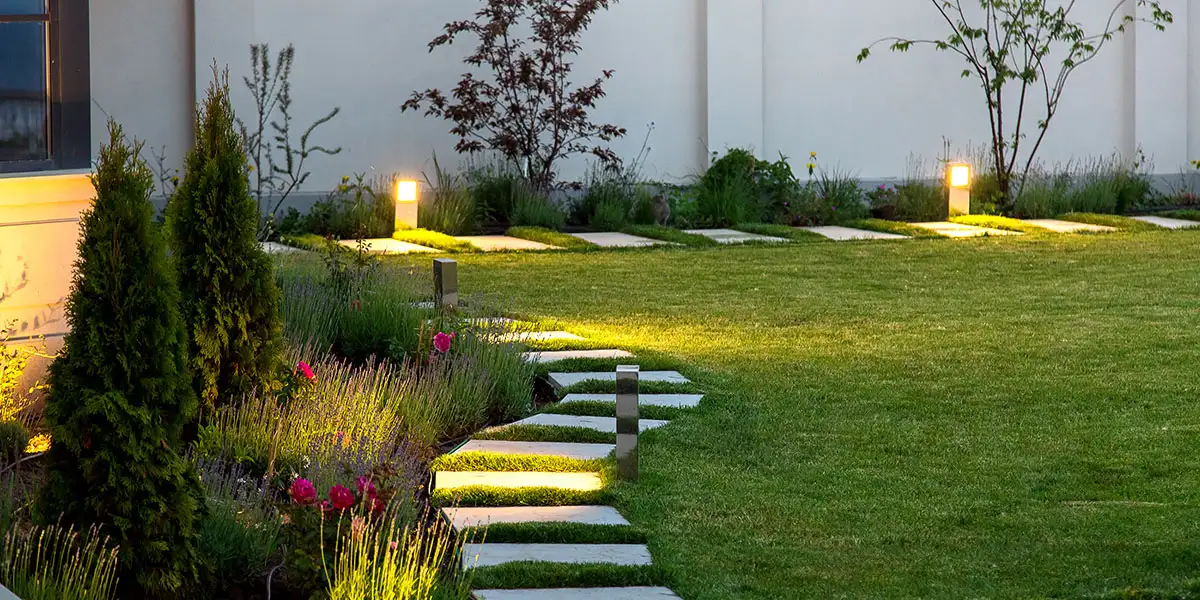
10. Make Outdoor Spaces Guest-Ready
July entertaining is easier when outdoor spaces are comfortable, safe, and simple to maintain.
To do:
-
Sweep patios, decks, and walkways.
-
Refresh containers near entrances and seating areas.
-
Add citronella-scented plants or herbs for fragrance, not as your only pest plan.
-
Check path lights and outdoor bulbs.
-
Trim plants away from walkways.
-
Add shade where guests gather.
For a polished summer look, use plants that shine in heat and evening light. White panicle hydrangea, silver foliage plants, ornamental grasses, and pale annuals can brighten outdoor spaces after sunset. Switchgrass (Panicum virgatum), little bluestem (Schizachyrium scoparium), coral bells (Heuchera), and Hakone grass (Hakonechloa macra) bring texture and movement around patios and paths.
Outdoor lighting can also make a big difference. Path lights, uplighting for trees, and soft lighting near seating areas help extend the evening and make guests feel welcome. We offer landscape lighting services and are happy to chat about what we can do to make your outdoor areas more beautiful!
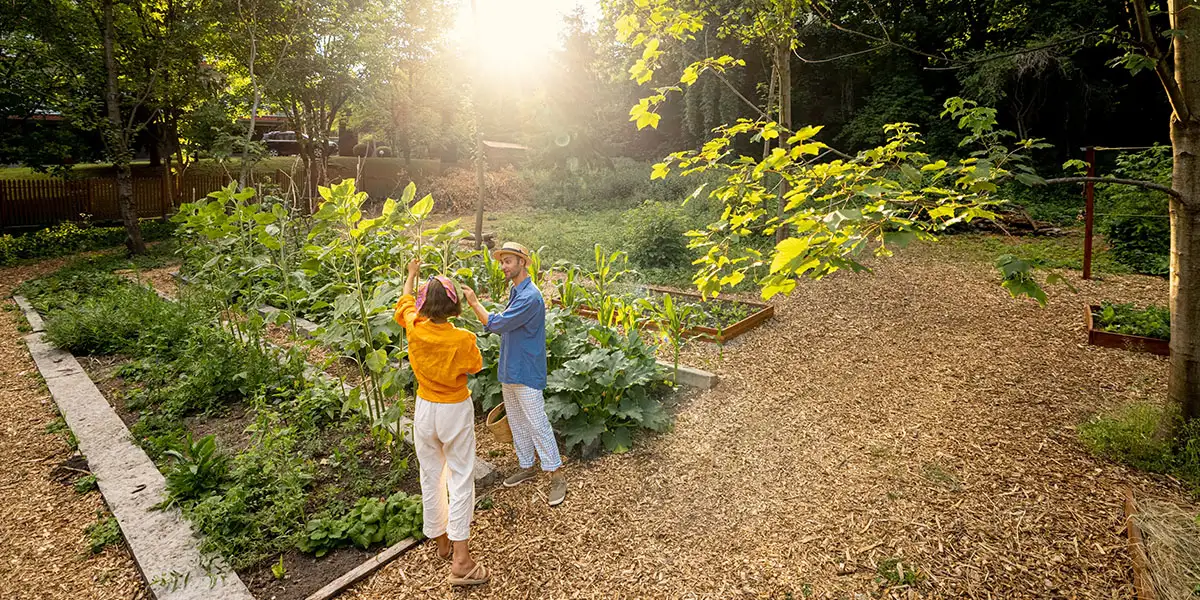
11. Plan Ahead While the Garden Is Showing You What It Needs
July is one of the best months to notice what your landscape is missing.
To do:
-
Photograph beds that look empty in midsummer.
-
Note where more shade would help.
-
Identify views that need screening.
-
Mark areas where plants are too crowded.
-
Decide where fall planting could improve the yard.
-
Schedule professional help for larger projects.
Maybe the patio needs privacy. Maybe the front foundation planting looks tired. Perhaps the pool area could use better screening, or the backyard needs more summer-blooming shrubs. July reveals these opportunities clearly.
It is also a practical time to talk through landscape updates, outdoor lighting, and even holiday lighting plans before the busiest seasons arrive.

Enjoy the Heart of Summer
July asks a lot from a garden, but it gives a lot back. With steady watering, regular harvesting, light grooming, smart pest scouting, and a few fresh plants where color has faded, your outdoor space can stay beautiful and welcoming through the heart of summer.
At Bountiful Acres, we’re here to help Bucks County gardeners keep growing with exceptional plants, friendly and knowledgeable staff, locally-grown trees and shrubs, complete landscaping services, holiday lighting services, and plenty of seasonal inspiration. Stop in for summer annuals, pollinator plants, hydrangeas, garden products, fresh ideas, and a visit to our popular butterfly atrium. July is a wonderful month to enjoy the yard you’re building, one smart garden task at a time.