The grass may still be taking a long winter nap, but that doesn’t mean there’s nothing to do outside. March is actually a great time to get a head start on a healthy lawn and landscape, so when spring finally kicks in, you’re ready to enjoy it instead of scrambling to catch up. A little effort now can make a big difference later.
Below are some smart, early-season steps that help set the stage for a beautiful spring and summer property.
Start with a Good Lawn Clean-Up
By the time March rolls around, most lawns are covered with leftovers from fall and winter. Clearing debris now protects your turf and makes mowing safer once the grass starts growing.
Focus on removing:
- Sticks and fallen branches
- Leftover leaves and pine needles
- Litter or debris blown in over winter
Leaving debris on the lawn can smother grass, encourage disease, and damage mower blades.
March is also the perfect time to take care of lawn equipment before the spring rush hits. When everyone waits until April, service appointments fill up fast.
Add these tasks to your early-season checklist:
- Drain old gasoline
- Change oil and filters
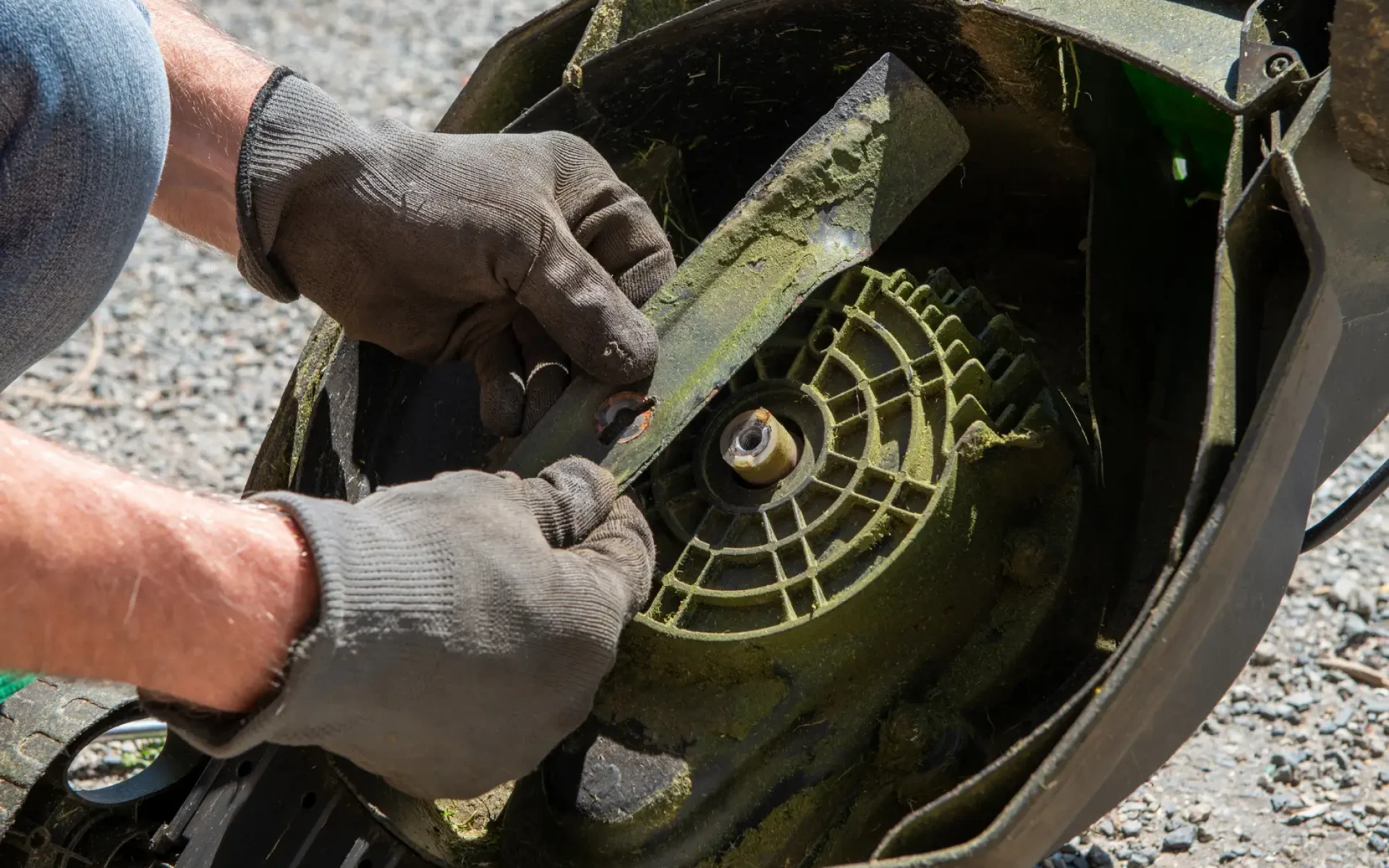
- Sharpen mower blades
- Have mowers, trimmers, and blowers professionally serviced
When the growing season begins, it usually does so all at once. Getting ahead of equipment maintenance now helps avoid an overgrown yard and a lot of unnecessary frustration later.
Spring Seeding? Proceed with Care
It feels natural to think about seeding in spring when you’re planting everything else, but spring seeding comes with challenges. Grass seed planted now often germinates very slowly, and it can interfere with the timing of crabgrass and broadleaf weed control.
Spring seeding can lead to:
- Missed weed-control windows
- Increased crabgrass pressure
- A season-long battle with weeds
If you truly need to seed in spring due to winter damage from shoveling, plowing, or heavy traffic, seed as early as possible. A hybrid ryegrass is your best option for quicker establishment.
Keep these guidelines in mind:
- Seed at a rate of five to eight pounds per 1,000 square feet
- Lightly rake the soil to ensure good seed-to-soil contact
- Use a seed-establishment mulch to protect new seedlings
- Water consistently to keep the soil lightly moist
Fertilizers and insect controls, such as grub control, are safe to apply with new seed. Wait until early May before applying crabgrass or broadleaf weed control products.
Once new grass reaches three to four inches tall, it’s time to mow. Always mow when the lawn is dry. Young seedlings have shallow roots, and mowing wet turf can pull them right out of the ground.
March Fertilization Sets the Stage
A healthy lawn is typically fertilized four times per year:
- Early spring
- Late spring
- Early fall
- Late fall
Early-season feedings help turf recover from winter stress, insects, and disease. Later feedings focus on strengthening roots before dormancy.
The first fertilization can be applied anytime from early March through May. If crabgrass control is part of your plan, wait until early April so the timing lines up correctly.
Do Not Skip Pre-Emergent Crabgrass Control
Crabgrass is one of the most frustrating lawn weeds, and prevention is the only effective approach. It begins germinating in early to mid-May and continues through mid-July, thriving when cool-season turf slows down.
Here is why consistency matters:
- Crabgrass seeds can remain viable in the soil for decades
- Skipping one year almost guarantees crabgrass the next
- Once established, crabgrass is extremely difficult to control
Applying a pre-emergent product at the correct time is the single most important step for keeping lawns clean and weed-free all Summer.
Watch for Moles and Voles
As the soil warms, lawns and garden beds may show signs of underground activity. Moles and voles can cause significant damage if populations get out of hand.
Key differences to know:
- Moles feed on grubs, worms, and other insects
- Voles eat plant roots and can damage turf and ornamentals
Because many traditional rodenticides are unsafe for pets and wildlife, castor oil-based repellents are often the best choice. These products don’t kill rodents, but they encourage them to move elsewhere. Here at Bountiful Acres, we can help you choose the products that are right for you and apply them safely.
March Weed Control: Timing Matters
It is still too early in March to control dandelions and clover. These perennial weeds must be actively growing to be treated effectively, so wait until April or May when they begin to flower.
Some weeds do grow in cool weather, though, and should be addressed early:
- Chickweed
- Onion grass and garlic grass
- Ground ivy
- Several types of veronica
- Wild violets
Treat these cool-season weeds before the first mowing. Once the grass starts growing vigorously, many of them go dormant and cannot be controlled again until late fall or the following spring.
A Little Planning Goes a Long Way
March may not feel like peak lawn season, but the work you do now lays the groundwork for everything that follows. Cleaning up debris, servicing equipment, timing applications correctly, and addressing problems early can make the entire growing season easier and more enjoyable.
If you are unsure where to start or want advice tailored to your property, stop by and talk with the friendly experts at Bountiful Acres. Our knowledgeable, patient team is always happy to answer questions, help you choose the right products, and make spring lawn care feel simple and stress-free.